
- the-cultural-context-of-bread-in-japanese-dining
- why-cant-you-eat-the-bread-in-japanese-restaurants
- common-misunderstandings-around-bread-in-japan
- how-western-elements-like-bread-are-used-differently
- real-cases-and-stories-from-diners
- exploring-alternatives-at-japanese-restaurant
1. The Cultural Context of Bread in Japanese Dining
Before diving into the question of why can't you eat the bread in Japanese restaurants, it's helpful to understand the broader cultural backdrop. Traditional Japanese cuisine centers around rice, miso, seasonal vegetables, and fish—bread, by contrast, is a Western introduction. Though Japan has developed its own unique bread culture (like melonpan and shokupan), in traditional Japanese dining experiences—especially in authentic restaurants—bread often plays little or no role in the meal structure.
2. Why Can’t You Eat the Bread in Japanese Restaurants?
2.1 It’s Not Actually Meant for Eating
At some upscale Japanese restaurants or fusion spots, bread may be placed on the table as part of the setting but not intended for consumption. It might be decorative, or part of a paired Western course that never materializes. One Tokyo diner described their confusion when bread was presented cold and dry—only to find out later it was simply there for visual balance, not flavor.
2.2 It's Used for Palate Cleansing or Presentation
In rare cases, bread is used similarly to pickled ginger: a neutral element between courses. However, it’s often not seasoned, warmed, or paired with butter or oil, which leaves many Western diners wondering whether it’s safe—or appropriate—to eat it at all.
2.3 Unfamiliar Dining Etiquette
Japanese dining etiquette focuses on respect, presentation, and subtlety. If bread is included without instruction, it may be best to ask staff rather than assume it’s free to eat. In some omakase or kaiseki settings, each item is served intentionally. Touching elements out of sequence can disrupt the chef’s vision for the meal.
3. Common Misunderstandings Around Bread in Japan
3.1 Western Expectations Collide with Japanese Customs
Many tourists expect bread baskets like those served in European or American restaurants—warm, soft, and endlessly refillable. In Japan, this isn’t standard. Even in Western-style restaurants, you may get a small slice of bread and little else unless you specifically order more.
3.2 Not All Bread Is Actually Bread
In some cases, what looks like bread may be a steamed bun, a sweetened dough, or even a sponge used beneath appetizers. One traveler in Kyoto shared how he once dipped what he thought was focaccia into soy sauce—only to realize it was a miso-steamed fish cake.
4. How Western Elements Like Bread Are Used Differently
4.1 Bread as a Novelty or Dessert
Rather than a starter, bread in Japan often appears as a novelty item—like matcha-filled rolls or red bean-stuffed buns served at the end of a meal. Japanese bakeries offer an enormous range of sweet breads, which contrasts sharply with the neutral baguettes found in Western cuisine.
4.2 Fusion Dining and Bread Miscommunication
In modern Japanese fusion restaurants, bread may be served alongside miso butter or curry-infused olive oil—but this isn’t common practice. If it’s unclear, diners are advised to observe what others are doing or politely ask. Many restaurants catering to global visitors now include explanations on menus or via the staff to prevent confusion.
5. Real Cases and Stories from Diners
5.1 The Business Lunch Misstep
One American executive recounted a lunch in Osaka where he eagerly ate the bread placed on the table—only to realize later it was part of a visual course meant to accompany a soup. The host laughed politely, but it highlighted the importance of watching and learning in unfamiliar dining environments.
5.2 Viral TikTok Explains the Bread That’s “Just There”
A viral TikTok from a Canadian traveler described the moment they tried to spread wasabi on a bread roll, thinking it was a Japanese version of butter. The comments were filled with others who’d had similar mix-ups—proving it’s a common confusion even among seasoned travelers.
6. Exploring Alternatives at Japanese Restaurant
6.1 Ask, Don’t Assume
In any traditional Japanese restaurant, if you’re unsure whether the bread—or any item—is meant to be eaten, just ask. Staff are usually happy to explain the structure of the meal, especially in restaurants used to hosting international guests. Places like Japanese Restaurant take care to guide first-time diners through unfamiliar dishes.
6.2 Focus on the Core Experience
Instead of searching for bread, embrace the rice-based, umami-rich dishes that define Japanese cuisine. Whether it's sushi, yakitori, or miso broth with grilled fish, these are the stars of the show—and what you’re meant to savor. Bread simply doesn’t belong at the center of the plate here.
6.3 Embrace Japanese-Style Baked Goods Elsewhere
If you love bread and want to explore how Japan reimagines it, visit a local bakery after your meal. You'll find curry buns, melon bread, and cheese-stuffed loaves that are an entirely different—but delicious—category of food worth exploring.
 Ramen Mura Ramen & Sushi4.0 (402 reviews)
 Misaki Sushi4.0 (271 reviews)
 Shabu Shabu Bar4.0 (338 reviews)
 Sakura Sushi and Grill4.0 (768 reviews)
 250 W Portal Ave, San Francisco, CA 941270.0 (0 reviews)
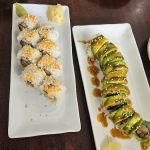 Ami Sushi4.0 (422 reviews)
 Best Dining Experience at Aki Japanese Restaurant
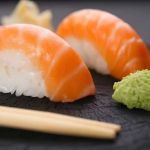 Best Dishes You Should Order at Wasabi Japanese Restaurant
 De Fune Japanese Restaurant in Marylebone London – A True Culinary Gem
 Why Umi Japanese Restaurant Is a Must-Try Spot for Japanese Food Lovers
 Insider's Review of Nami Japanese Restaurant – A Top Spot for Sushi and Ramen Lovers
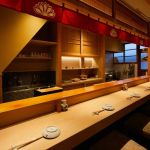 What Makes an Authentic Japanese Restaurant Stand Out Among Japanese Restaurants