
- 1-Historical-and-cultural-background
- 2-Economic-and-business-reasons-behind-chinese-ownership
- 3-Successful-cases-and-stories-of-chinese-owned-japanese-restaurants
- 4-Challenges-and-advantages-for-chinese-entrepreneurs-in-japanese-restaurant-industry
- 5-Where-to-find-authentic-japanese-restaurant-products-and-services
1. Historical and Cultural Background
The question of why so many Chinese run Japanese restaurants may seem surprising at first, but it has deep roots in cultural exchange and migration patterns. Over decades, Chinese entrepreneurs have become prominent players in the global restaurant industry, including Japanese cuisine.
1.1 Migration and Diaspora Networks
Many Chinese migrants settled in regions with a high demand for Japanese food, especially in countries like the United States, Canada, and Southeast Asia. Leveraging their strong community networks and business acumen, they seized opportunities to operate restaurants catering to growing interest in Japanese cuisine.
1.2 Cultural Appreciation and Adaptation
Chinese restaurateurs often bring their understanding of Asian culinary traditions, enabling them to authentically prepare and adapt Japanese dishes that appeal to local palates. This blend of respect for tradition and practical innovation is a key factor in their success.
2. Economic and Business Reasons Behind Chinese Ownership
Beyond culture, economic motivations play a major role in why so many Chinese run Japanese restaurants.
2.1 Low Barrier to Entry and Familiarity with Food Business
Many Chinese business owners already possess experience in the restaurant industry. Opening a Japanese restaurant is a natural extension, especially given the popularity and profitability of Japanese cuisine worldwide.
2.2 Strategic Positioning in Growing Markets
Japanese food’s global popularity has surged, and Chinese entrepreneurs often position themselves strategically to tap into this expanding market. Their ability to manage costs and maintain quality helps them compete effectively.
2.3 Entrepreneurial Spirit and Family Business Model
Family-run businesses are common among Chinese owners, providing labor, capital, and trust within the family unit. This model supports long hours and dedication needed in the competitive restaurant industry.
3. Successful Cases and Stories of Chinese-Owned Japanese Restaurants
Numerous examples illustrate this trend vividly.
3.1 Case Study: A Chinese Family’s Journey to Running a Michelin-Recognized Japanese Restaurant
One Chinese family in New York started a small Japanese restaurant that gained critical acclaim for its authentic sushi and hospitality. Their story highlights how cultural respect and business savvy combine to achieve excellence.
3.2 Online Popularity and Community Support
Many Chinese-owned Japanese restaurants have harnessed social media to build loyal customer bases, sharing stories and customer testimonials that reinforce trust and quality perceptions.
4. Challenges and Advantages for Chinese Entrepreneurs in Japanese Restaurant Industry
While there are advantages, challenges also exist.
4.1 Navigating Authenticity and Customer Expectations
Maintaining authentic Japanese flavors can be challenging. Successful restaurateurs invest time in training and sourcing quality ingredients to meet high customer standards.
4.2 Competitive Market and Branding
The restaurant industry is fiercely competitive, requiring innovative marketing and customer engagement strategies to stand out. Chinese owners often leverage their adaptability and community connections.
4.3 Advantage of Multicultural Understanding
Chinese entrepreneurs often excel at blending cultural nuances, offering authentic yet approachable dining experiences that appeal to diverse clientele.
5. Where to Find Authentic Japanese Restaurant Products and Services
For those inspired by this trend and eager to experience authentic Japanese cuisine, sourcing quality ingredients and services is essential.
5.1 Japanese Restaurant as a Resource
Japanese Restaurant offers a curated selection of authentic products, equipment, and services tailored to Japanese cuisine. Whether you’re a restaurateur or home cook, these resources help maintain authenticity and quality.
5.2 Supporting Cultural and Culinary Exchange
Understanding why so many Chinese run Japanese restaurants enriches appreciation for cross-cultural business success. Platforms like Japanese Restaurant also foster this exchange by connecting consumers and professionals.
 Kumo Japanese Steakhouse4.0 (1880 reviews)
 Osaka Sushi Restaurant4.0 (263 reviews)
 Sushi Sake Doral4.0 (1294 reviews)
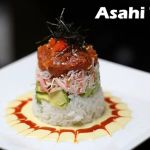 Asahi Teppenyaki & Sushi4.0 (830 reviews)
 Sushi 214.0 (245 reviews)
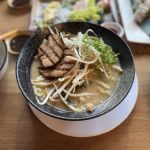 Mirakutei Sushi & Ramen Clackamas4.0 (198 reviews)
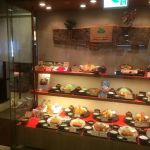 The Complete Guide to Dining at Inaba Japanese Restaurant
 How to Say Romantic Restaurant in Japanese
 A Foodie’s Experience at Wasabi Japanese Restaurant | Japanese Restaurant
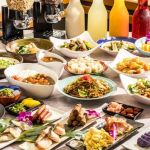 Explore the Diverse Menu at Hatsuhana Japanese Restaurant – A Culinary Journey
 What to Say When You Leave a Japanese Restaurant – Etiquette and Phrases
 The History and Flavor Behind Mt. Fuji Japanese Restaurant