
- 1-Cultural-Hospitality-in-Japanese-Restaurants
- 2-Misconceptions-About-Discrimination-in-Japanese-Dining
- 3-How-Japanese-Restaurants-Handle-Challenging-Situations
- 4-Real-Experiences-and-Stories-from-Visitors
- 5-Tips-for-Enjoying-Your-Visit-to-Japanese-Restaurants
1. Cultural Hospitality in Japanese Restaurants
Japanese restaurants are renowned worldwide for their exceptional hospitality, known as omotenashi. This spirit emphasizes respect, attentiveness, and making every guest feel welcome regardless of background. The idea that a Japanese restaurant would tell a white person to get out contradicts these deeply ingrained values.
In Japan, hospitality is less about personal characteristics such as race or nationality and more focused on the guest’s behavior and the dining environment. Most Japanese restaurants prioritize providing a comfortable and respectful atmosphere for all customers.
2. Misconceptions About Discrimination in Japanese Dining
Questions like “will a Japanese restaurant tell a white person to get out” often stem from misunderstandings or rare anecdotal incidents. While no society is completely free from discrimination, Japanese restaurants generally do not exclude customers based on race. The few reported cases of exclusion are typically linked to specific behavior, language barriers, or misunderstandings rather than racial bias.
It is important to differentiate between cultural etiquette differences and intentional discrimination. For example, certain establishments may have dress codes or seating limitations, but these rules apply uniformly to all guests.
3. How Japanese Restaurants Handle Challenging Situations
When challenges arise—such as overcrowding, no reservations, or disruptive behavior—Japanese restaurants tend to handle them politely and professionally. Staff might ask customers to wait or suggest alternative options without causing offense.
In very rare cases, a restaurant may refuse service due to behavioral issues, but this is based on maintaining a respectful environment rather than any racial or ethnic considerations.
4. Real Experiences and Stories from Visitors
Many international visitors, including white diners, share overwhelmingly positive experiences in Japanese restaurants worldwide. Stories often highlight the warmth and care shown by staff, the attention to detail, and the genuine desire to offer a memorable meal.
For instance, a traveler recounted dining in a small Tokyo sushi bar where the chef engaged warmly despite language barriers, creating an inclusive atmosphere. Such examples reinforce the notion that Japanese hospitality extends to all.
5. Tips for Enjoying Your Visit to Japanese Restaurants
To ensure a positive experience at Japanese restaurants, guests should be mindful of local customs, such as polite greetings, removing shoes where required, and following reservation policies. Demonstrating respect for the culture enhances mutual understanding and enjoyment.
If you want to explore authentic Japanese dining with confidence, Japanese Restaurant offers trusted recommendations and services to connect you with welcoming establishments known for excellent hospitality and quality.
 Oyama Japanese And Thai4.0 (270 reviews)
 Wasabi Bistro4.0 (708 reviews)
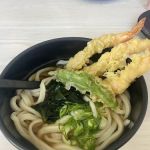 Cafe Yoto4.0 (86 reviews)
 Ichiza 2 Hanare Japanese Resaurant - All Private Dining Room -4.0 (132 reviews)
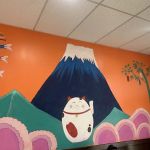 Sumo Hibachi4.0 (80 reviews)
 Epoch Asian Fusion4.0 (143 reviews)
 Why Locals Recommend Japanese Sushi Restaurants: Discover the Secrets Behind the Popularity
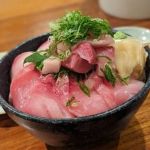 A Foodie’s Experience at Bozu Japanese Restaurant
 How to Say "Run a Restaurant" in Japanese: A Complete Guide for Restaurant Owners
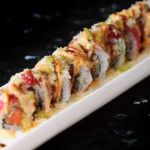 Exploring the Menu at Taki Japanese Restaurant Dunwoody: A Culinary Journey
 Exploring the Menu at Japanese Restaurant in Atlanta
 Why Locals Recommend Tachibana Japanese Restaurant: A Taste of Authenticity