
- why-a-good-japanese-restaurant-name-matters
- key-elements-of-a-good-japanese-restaurant-name
- naming-strategies-inspired-by-culture-and-cuisine
- real-world-success-stories-and-creative-names
- how-to-create-your-own-authentic-name
1. Why a Good Japanese Restaurant Name Matters
Choosing a good Japanese restaurant name is not just a branding decision—it’s the heart of your restaurant’s identity. The name sets expectations before a single bite is taken. In many cases, it can determine whether a customer clicks on your listing, stops to peek at your menu, or walks through your doors.
In today’s competitive dining scene, especially in multicultural cities like London or Manchester, a well-crafted name helps you stand out from the crowd. More importantly, it conveys authenticity, cultural respect, and even the mood of your dining experience.
At Japanese Restaurant, we work with both new and established restaurateurs to help develop brand concepts—including memorable names—that resonate with modern diners.
2. Key Elements of a Good Japanese Restaurant Name
A strong restaurant name should be culturally respectful, phonetically easy, and visually appealing. Whether your brand leans traditional or modern fusion, a few naming principles hold true.
2.1 Simplicity with Soul
Short names are easier to remember and more visually striking on signs, menus, and social media. Think of names like “Sora” (sky) or “Enso” (circle)—they’re brief but evoke deeper meaning.
2.2 Connection to Japanese Language or Symbolism
Using real Japanese words, concepts, or kanji gives your name an authentic touch. Names like “Nami” (wave) or “Yuzu” (a fragrant citrus fruit) connect directly with elements of Japanese culture, food, or nature.
2.3 Relevance to Your Culinary Identity
If your restaurant focuses on sushi, izakaya-style dishes, or modern kaiseki, the name should reflect that. “Tori Hana” (Bird & Flower) might fit a minimalist Tokyo-style spot, while “Umami Den” could work for a bold, fusion-focused eatery.
3. Naming Strategies Inspired by Culture and Cuisine
There are many creative angles to explore when naming a Japanese restaurant. Here are a few proven strategies that blend meaning, aesthetic, and memorability.
3.1 Nature-Inspired Names
Japan’s deep connection with nature offers rich inspiration—names like “Kawa” (river), “Yama” (mountain), or “Tsuki” (moon) feel serene and elegant. They also resonate with diners seeking a tranquil or organic experience.
3.2 Minimalist and Zen-Inspired Names
Clean, minimal names can convey calm and sophistication. “Zenba,” “Nobu,” or “Mizu” (water) appeal to modern diners who value simplicity and clarity in both design and food.
3.3 Names that Highlight Ingredients or Techniques
Highlighting a key element of your cuisine—like “Robata,” “Shoyu,” or “Sakana”—can spark curiosity and educate your audience while sounding distinctly Japanese.
4. Real-World Success Stories and Creative Names
One standout example is “Dinings SW3” in London—a Japanese fusion spot whose name blends understated elegance with the upscale district it resides in. The name is subtle but memorable, appealing to a niche, discerning crowd.
Another case is “Oishii Boston,” where the word “Oishii” means delicious in Japanese. Simple, descriptive, and universally positive—it’s a name that works internationally and has helped the restaurant gain media traction.
Even quirky names like “Wasabi & You” or “Sake Bomb Social” can work if they align with a fun, youthful concept. The key is consistency between your name, food, branding, and ambience.
5. How to Create Your Own Authentic Name
Start by identifying your core values and brand story. Is your concept traditional or modern? Do you want to evoke elegance, warmth, adventure, or intimacy?
5.1 Mix Language and Visual Cues
Pair Japanese nouns with neutral English words, like “Studio Ramen” or “Tokyo Table.” This makes your name accessible yet authentic. Alternatively, use kanji symbols in your logo but keep the phonetic name simple.
5.2 Test It Out Loud
Say the name aloud—does it roll off the tongue? Does it sound too similar to an existing brand? A good Japanese restaurant name should be distinct, clear, and easy to pronounce in your market.
5.3 Check Domain and Trademark Availability
Before committing, ensure the name isn’t already taken legally or digitally. Search for website domains and social handles to secure a consistent online presence.
If you’re unsure where to begin, Japanese Restaurant offers tailored consultations for naming, branding, and launching your restaurant with a name that’s both beautiful and strategic.

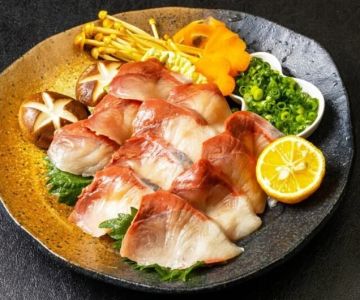
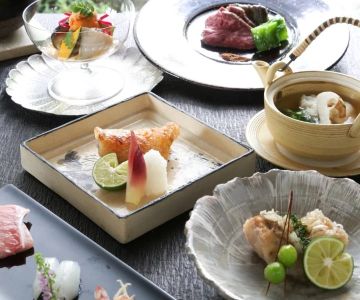
 Umaimon by Anaba4.0 (62 reviews)
 Happy Sushi4.0 (423 reviews)
 Kaiseki Yuzu4.0 (224 reviews)
 Sapporo Sushi4.0 (361 reviews)
 Red Rock-The shops SantaAnita4.0 (30 reviews)
 Fudo4.0 (945 reviews)
 How to Ask for Water in a Japanese Restaurant: Etiquette & Phrases
 How to Speak Japanese in Restaurants: Essential Phrases and Etiquette
 Exploring the Menu at Gyotaku Japanese Restaurant: A Culinary Journey
 Signature Sushi and Ramen at Ami Japanese Restaurant Westwood – A Culinary Delight
 Signature Sushi and Ramen at Aji Ten Japanese Restaurant Canton MI
 Why Locals Recommend Minamoto Japanese Restaurant