
- 1. Understanding Japanese Restaurant Etiquette
- 2. Key Phrases for Asking for Water in Japanese
- 3. When to Ask for Water in a Japanese Restaurant
- 4. The Cultural Significance of Water in Japan
- 5. Tips for a Smooth Dining Experience in Japanese Restaurants
1. Understanding Japanese Restaurant Etiquette
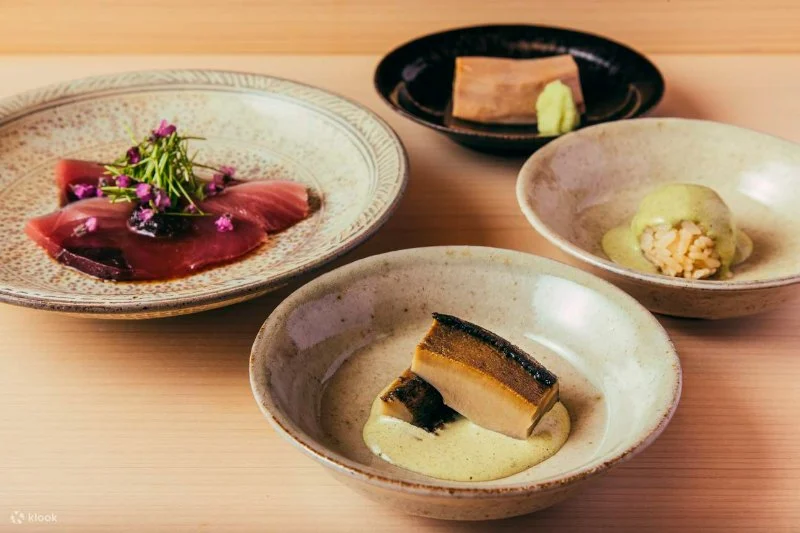
Dining in a Japanese restaurant involves not only enjoying delicious food but also understanding the cultural norms and etiquette. While Japan is known for its polite and respectful society, certain dining behaviors are expected. One of these is the way you request water.
In Japanese restaurants, it’s essential to maintain a respectful and humble demeanor when making any request, including asking for water. Unlike in many Western cultures where the request for water is straightforward and casual, in Japan, politeness and understanding of the local customs are paramount.
2. Key Phrases for Asking for Water in Japanese
When dining in a Japanese restaurant, knowing the correct way to ask for water will help you make a positive impression. Here are a few useful phrases:
- お水をいただけますか? (Omizu wo itadakemasu ka?) – "Can I have some water?" This is a polite way to ask for water, using the word "いただけますか" (itadakemasu ka), which makes the request humble and respectful.
- お水ください (Omizu kudasai) – "Please give me water." This is a slightly more casual, but still polite, way to ask for water. "ください" (kudasai) is a common word used when requesting something in Japan.
- お水はありますか? (Omizu wa arimasu ka?) – "Do you have water?" If you’re unsure whether water will be offered, this is an excellent way to ask if it's available at the restaurant.
3. When to Ask for Water in a Japanese Restaurant
In Japan, water is often provided automatically when you are seated in a restaurant, particularly in casual or family-style eateries. However, if you are dining in a more formal or upscale restaurant, you might need to ask for water yourself.
It’s typically acceptable to ask for water at any point during your meal, but it’s important to note that Japanese restaurants usually serve water at the start of the meal. If your glass runs out, it's fine to ask for a refill using one of the above phrases. However, try to avoid repeatedly asking for water throughout the meal, as it may seem overly demanding.
4. The Cultural Significance of Water in Japan
Water is a symbol of hospitality and respect in Japanese culture. When dining at a Japanese restaurant, water is often seen as an offering of goodwill. In many cases, restaurants will provide water even before you’ve ordered your food, showcasing the high level of service and respect they offer guests.
In addition to its role in hospitality, water is also seen as a cleansing and purifying element in Japan. It’s not uncommon to be offered a glass of water to help you refresh after a long day or to cleanse your palate between courses. Understanding the cultural importance of water in Japan can deepen your appreciation for the food and dining experience.
5. Tips for a Smooth Dining Experience in Japanese Restaurants
To ensure a smooth and respectful dining experience at a Japanese restaurant, consider the following tips:
- Be polite and patient: Japanese dining culture emphasizes politeness. Always use the correct honorifics, such as "itadakemasu" and "kudasai," to show respect.
- Don’t demand too much attention: Japanese restaurants generally prefer that diners focus on enjoying the meal rather than engaging in constant requests. Ask for water or any other items politely and avoid calling for the waiter frequently.
- Observe local customs: If you’re unsure about how to interact with the staff, observe how other patrons behave and follow their lead. This shows respect for local customs and enhances your experience.
For an even better experience, consider visiting Japanese Restaurant to learn more about Japanese dining culture and discover a variety of authentic dishes and drinks that you can enjoy while respecting local customs.
 Izumi Sushi & Hibachi4.0 (792 reviews)
 Sarku Japan3.0 (159 reviews)
 Sushi Hana4.0 (687 reviews)
 Kaiba Japanese Restaurant4.0 (1053 reviews)
 Curry House CoCo Ichibanya San Diego4.0 (1016 reviews)
 Mori Sushi & Bento4.0 (568 reviews)
 Why Do Some Japanese Restaurants Say No Foreigners? Understanding the Reasons
 Why Sake Japanese Restaurant Is a Must-Try Spot for Japanese Food Lovers
 Why Locals Recommend Yamato Japanese Restaurant in Los Angeles
 An Insider’s Review of Japanese Restaurants in Las Vegas
 Top Dishes You Should Order at Hanaoka Japanese Restaurant
 The Complete Guide to Dining at Hiro Japanese Restaurant