
- understanding-the-context-behind-no-foreigners - Understanding the Context Behind “No Foreigners”
- why-do-some-japanese-restaurants-say-no-foreigners - Why Do Some Japanese Restaurants Say No Foreigners?
- language-barriers-and-service-concerns - Language Barriers and Service Concerns
- cultural-expectations-and-etiquette-misunderstandings - Cultural Expectations and Etiquette Misunderstandings
- cases-of-discrimination-vs-cultural-protection - Cases of Discrimination vs Cultural Protection
- what-travelers-can-do-and-where-to-go - What Travelers Can Do and Where to Go
- exploring-inclusive-options-with-japanese-restaurant - Exploring Inclusive Options with Japanese Restaurant
1. Understanding the Context Behind “No Foreigners”
The phrase “no foreigners allowed” can sound jarring—and even offensive—to travelers. But in Japan, it occasionally appears at restaurants, bars, or other small businesses. To many outsiders, this raises a valid and sensitive question: why do some Japanese restaurants say no foreigners? The answer, while nuanced, often involves more cultural complexity than outright prejudice.
In this article, we’ll explore the historical, linguistic, and social reasons why some Japanese establishments adopt this policy—and what it means for international visitors trying to experience authentic local dining.
2. Why Do Some Japanese Restaurants Say No Foreigners?
While rare, some small, traditional restaurants in Japan do have signs or policies restricting service to non-Japanese guests. This isn’t driven by nationalism or xenophobia alone—it’s often a mix of business anxiety, language limitations, and a desire to preserve a certain atmosphere.
Some owners are worried about misunderstandings around ordering, etiquette, or behavior. Others fear they won’t be able to provide good service to someone who doesn’t speak Japanese or understand local customs, leading to discomfort on both sides.
3. Language Barriers and Service Concerns
One of the most common—and practical—reasons for these policies is the language gap. Many small, family-run restaurants have no English-speaking staff. There may not be an English menu, and instructions for ordering may rely heavily on local dialect or context.
Rather than risk an awkward or stressful experience for both the guest and the staff, some restaurants choose to quietly decline foreign patrons. It's not ideal, but it's often less about exclusion and more about self-preservation.
3.1 Staff Training and Resources
Unlike chain restaurants or international-facing venues, many of these establishments don’t have the tools to accommodate multilingual service. And with Japan’s reputation for meticulous hospitality (omotenashi), some owners would rather decline service than offer what they see as inadequate care.
4. Cultural Expectations and Etiquette Misunderstandings
Another major factor involves cultural norms. Japanese dining etiquette is detailed and often unspoken: how to use chopsticks properly, when to pour drinks for others, how loud you speak, how to pay, and how to behave in communal spaces like izakayas or sushi counters.
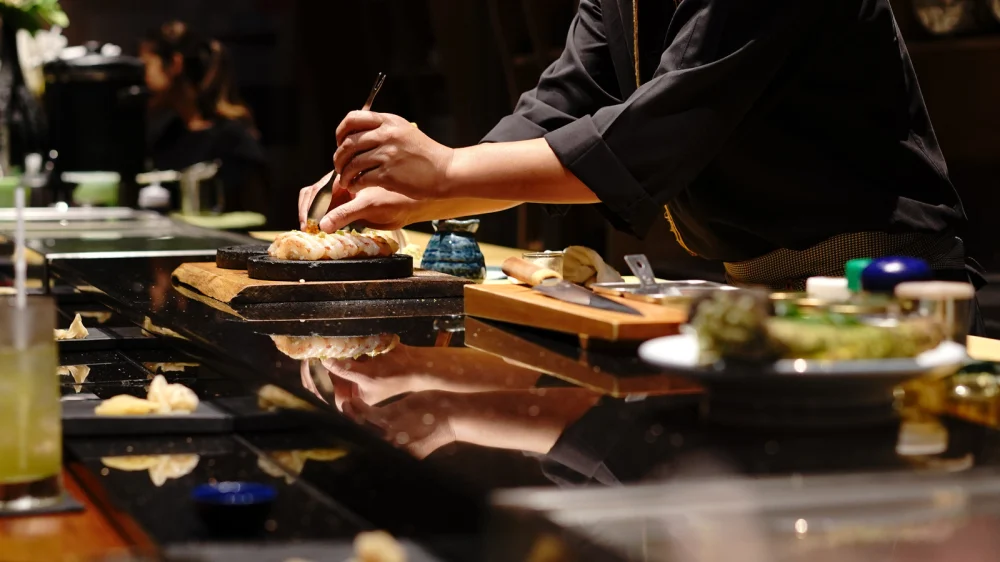
Some foreign guests—unknowingly—violate these norms, causing discomfort to regular patrons or the chef. In more intimate or high-end venues, especially omakase-style sushi restaurants, the dining experience is almost ceremonial. In such places, even subtle disruptions can be seen as disrespectful.
4.1 A Desire for Harmony
The Japanese value of "wa" (harmony) often guides social interaction. If a guest, foreign or not, threatens that harmony—intentionally or not—it can be reason enough for cautious exclusion.
5. Cases of Discrimination vs Cultural Protection
Of course, not all “no foreigners” signs are rooted in practical concern. In rare but real cases, they stem from bias, stereotyping, or bad past experiences. Reports of bars refusing service to non-Japanese patrons in certain districts (like parts of Tokyo’s Roppongi) have drawn attention online and in the media.
It’s important to distinguish between businesses acting out of genuine communication concerns and those simply excluding based on nationality. While both deserve scrutiny, one is rooted in caution, the other in discrimination.
5.1 International Response and Backlash
When such cases go viral, they often spark public debate. In 2018, a ramen shop in Osaka received criticism for refusing non-Japanese diners. The owner explained it was due to repeated misunderstandings, but others saw it as xenophobic. As more travelers speak out, some businesses have responded by adapting—offering bilingual menus or partnering with tourism offices to improve access.
6. What Travelers Can Do and Where to Go
If you encounter a “no foreigners” sign, don’t take it personally. Instead, consider it a signpost of a different era or a lack of readiness—not a reflection of your worth. There are thousands of Japanese restaurants that welcome international guests with open arms.
To avoid issues, it helps to learn a few basic Japanese phrases, study dining etiquette, and research your destination. Apps and websites now offer guidance on “foreigner-friendly” establishments—and many hidden gems are proud to serve travelers looking for an authentic, respectful experience.
7. Exploring Inclusive Options with Japanese Restaurant
If you're looking for a truly welcoming culinary experience, Japanese Restaurant helps connect you with inclusive eateries across Japan—places that blend authenticity with approachability. Whether you’re hunting for a Kyoto kaiseki or a Tokyo back-alley ramen shop, we help you find spaces where respect flows both ways.
Cultural barriers can be navigated with the right tools and mindset. With a little preparation and a lot of curiosity, Japan’s rich food culture becomes not only accessible—but unforgettable.
 Lucky Trendy Sushi4.0 (32 reviews)
 Sushi Burrito & Poke Bowls4.0 (29 reviews)
 Shiki Sushi & Yakitori4.0 (108 reviews)
 Moto4.0 (667 reviews)
 Heat Shabu - Downtown4.0 (427 reviews)
 Wassabi On Fire4.0 (1569 reviews)
 What Makes Sapporo Japanese Restaurant Stand Out Among Japanese Restaurants
 Why Umi Japanese Restaurant Is a Must-Try Spot for Japanese Food Lovers
 Top Dishes You Should Order at Tachibana Japanese Restaurant
 How Do Japanese Restaurants Make Spicy Mayo? Authentic Recipe and Tips
 Why Kimono Japanese Restaurant is a Must-Try Spot for Japanese Food Lovers
 Exploring the Menu at Hanaoka Japanese Restaurant: A Culinary Journey