
- how-do-japanese-restaurants-make-spicy-mayo - Behind the Flavor: How Do Japanese Restaurants Make Spicy Mayo?
- the-core-ingredients-of-japanese-style-spicy-mayo - The Core Ingredients of Japanese-Style Spicy Mayo
- the-preparation-process-how-it-s-done-in-kitchens - The Preparation Process: How It’s Done in Kitchens
- variations-used-by-different-japanese-restaurants - Variations Used by Different Japanese Restaurants
- real-example-of-a-trending-spicy-mayo-dish - Real Example of a Trending Spicy Mayo Dish
- how-to-make-japanese-spicy-mayo-at-home - How to Make Japanese Spicy Mayo at Home
- where-to-find-authentic-spicy-mayo-dishes - Where to Find Authentic Spicy Mayo Dishes
1. Behind the Flavor: How Do Japanese Restaurants Make Spicy Mayo?
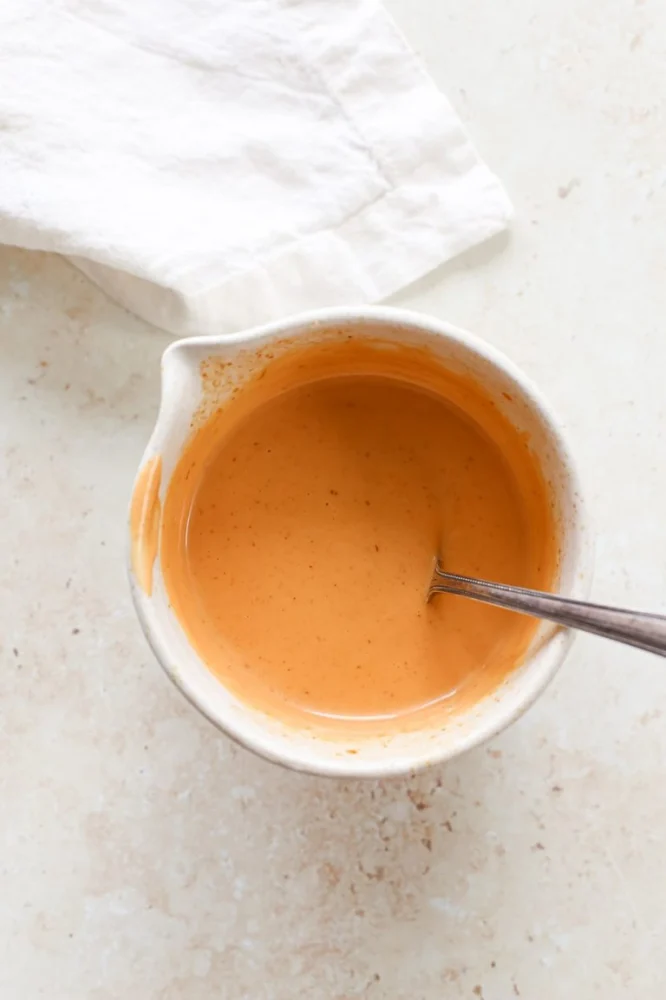
It’s creamy, spicy, and just the right touch of tangy — spicy mayo is one of the most popular sauces in Japanese cuisine, especially in sushi bars and modern izakayas. If you've ever wondered “how do Japanese restaurants make spicy mayo,” you're not alone. This beloved condiment has become a global favorite, often accompanying sushi rolls, poke bowls, grilled seafood, and even fries. But what makes the Japanese version stand out is its delicate balance between heat and umami.
2. The Core Ingredients of Japanese-Style Spicy Mayo
Unlike American-style spicy mayo, which often uses regular mayonnaise and hot sauce, Japanese restaurants typically start with a base of Kewpie mayonnaise. This egg yolk-based Japanese mayo is richer, slightly sweeter, and has a deeper umami flavor due to the inclusion of rice vinegar and MSG.
2.1 Kewpie Mayonnaise
This mayo is a must. Its texture is smoother, and it blends much better with other ingredients. It’s what gives Japanese spicy mayo that unmistakably silky finish.
2.2 Sriracha or Japanese Chili Paste
Most restaurants use sriracha because of its worldwide availability and consistent flavor. However, some upscale establishments might use yuzu kosho or rayu (chili oil) to add complexity.
2.3 Optional Additions
To deepen the flavor, some chefs add a few drops of sesame oil, a dash of soy sauce, or a pinch of sugar. Garlic powder or grated fresh garlic can also be used depending on the house recipe.
3. The Preparation Process: How It’s Done in Kitchens
While the ingredient list is simple, the magic lies in the ratios. Most Japanese chefs start by mixing three parts Kewpie mayo to one part sriracha. The mixture is whipped until it reaches a smooth consistency. The sauce is often chilled before serving, as this helps the flavors meld.
In restaurant kitchens, chefs usually prepare it fresh every morning in small batches to ensure consistency. Pre-made versions are rarely used in higher-end restaurants. This level of freshness contributes significantly to the quality of the flavor.
4. Variations Used by Different Japanese Restaurants
No two Japanese restaurants make spicy mayo exactly the same way. For example:
4.1 Tokyo Fusion Sushi Bars
Fusion-focused restaurants may include yuzu juice or wasabi to create more layered flavor profiles. Some may even add tobiko (fish roe) for a burst of umami.
4.2 Street-Style Ramen Shops
Here, the spicy mayo might lean more toward garlic and chili oil, adding punch to casual rice bowls and chicken karaage.
4.3 Vegan or Health-Conscious Eateries
Some modern restaurants substitute Kewpie with vegan mayo and use chili paste made without preservatives, creating a plant-based twist that’s just as delicious.
5. Real Example of a Trending Spicy Mayo Dish
In 2023, a Tokyo-based sushi chain called “Roll & Rock” went viral on social media after launching their “Firecracker Salmon Roll” — a torched salmon sushi topped generously with house-made spicy mayo, sweet soy glaze, and jalapeño slices. The video showcasing the preparation reached over 3 million views within a week, and soon after, several copycat versions appeared in restaurants across Japan and abroad.
The key feedback from diners? “The spicy mayo wasn’t just hot — it was complex, smooth, and slightly sweet.” That flavor depth is what keeps Japanese spicy mayo in a league of its own.
6. How to Make Japanese Spicy Mayo at Home
If you're inspired to try this at home, it’s quite easy:
- 3 tbsp Kewpie mayonnaise
- 1 tbsp sriracha sauce
- 1/2 tsp sesame oil (optional)
- 1/2 tsp lemon juice or yuzu juice (optional for brightness)
- Mix thoroughly until smooth, then refrigerate for 15 minutes before use.
Use it on sushi, rice bowls, grilled veggies, or even your favorite sandwich. If you're looking for authentic ingredients, browse the product listings on Japanese Restaurant — they offer carefully selected sauces and condiments used by real Japanese chefs.
7. Where to Find Authentic Spicy Mayo Dishes
If you're craving restaurant-quality spicy mayo, look for modern sushi spots or fusion bistros listed on Japanese Restaurant. Many of them highlight house-made sauces as a key menu attraction. You can also filter listings by “fusion” or “modern izakaya” to locate dishes that feature spicy mayo.
Authentic spicy mayo is more than just spicy — it’s about subtlety, balance, and precision. That’s what makes Japanese restaurant versions so crave-worthy and unforgettable.
 Lucky Trendy Sushi4.0 (32 reviews)
 Sushi Burrito & Poke Bowls4.0 (29 reviews)
 Shiki Sushi & Yakitori4.0 (108 reviews)
 Moto4.0 (667 reviews)
 Heat Shabu - Downtown4.0 (427 reviews)
 Wassabi On Fire4.0 (1569 reviews)
 What Makes Sapporo Japanese Restaurant Stand Out Among Japanese Restaurants
 Why Umi Japanese Restaurant Is a Must-Try Spot for Japanese Food Lovers
 Top Dishes You Should Order at Tachibana Japanese Restaurant
 How Do Japanese Restaurants Make Spicy Mayo? Authentic Recipe and Tips
 Why Kimono Japanese Restaurant is a Must-Try Spot for Japanese Food Lovers
 Exploring the Menu at Hanaoka Japanese Restaurant: A Culinary Journey