
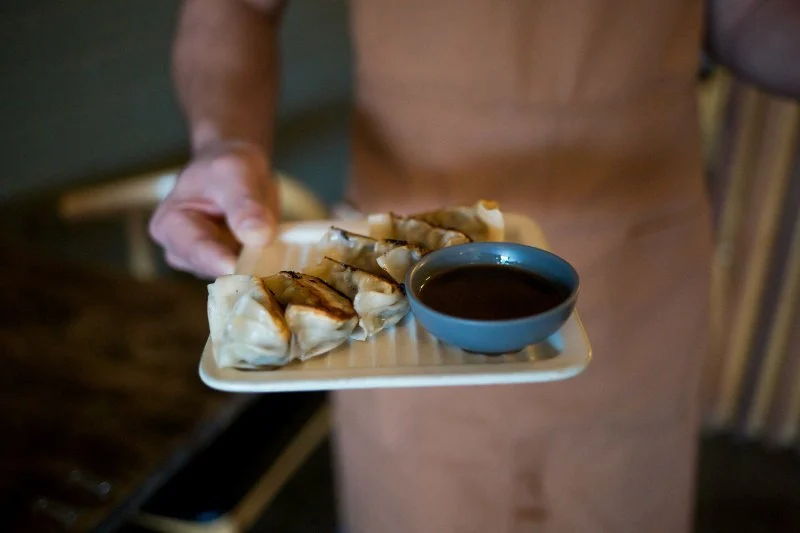
- a-red-dot-japanese-restaurant-origin
- authentic-culinary-experience-in-a-red-dot-japanese-restaurant
- why-a-red-dot-japanese-restaurant-stands-out
- real-diners-real-stories
- find-the-perfect-spot-on-japanese-restaurant
1. The Origin and Symbolism Behind “A Red Dot Japanese Restaurant”
The phrase a red dot Japanese restaurant might strike you as poetic or mysterious at first glance—but it carries more meaning than you might expect. In Japanese culture, the red dot, or “Hinomaru,” is symbolic of the sun and national identity. It represents precision, purity, and pride. So, when a restaurant adopts this name or theme, it's not just an aesthetic choice—it’s a statement of authenticity and deep cultural respect.
These restaurants often emphasize a harmonious blend of minimalistic design and exquisite flavors, staying true to the core philosophies of Japanese dining. The “red dot” becomes a metaphor for culinary focus—each dish is crafted with the same intention and clarity as the emblem it honors.
2. What to Expect: An Authentic Culinary Experience in A Red Dot Japanese Restaurant
Dining at a red dot Japanese restaurant typically means entering a space where detail is everything. From the warm greeting of “Irasshaimase” to the final pour of genmaicha, guests are immersed in a meticulously curated cultural journey.
2.1 The Menu Philosophy
Many red dot-themed Japanese restaurants highlight seasonality—what the Japanese call “shun.” Ingredients are sourced locally and rotated based on the time of year. Expect to see cherry blossom-infused dishes in spring or matsutake mushrooms in autumn. Signature dishes often include omakase-style sushi, wagyu donburi, and traditional desserts like mochi or warabi mochi.
2.2 Design and Atmosphere
Interior design plays a critical role. Clean lines, soft wood tones, and carefully placed lighting are all deliberate. The red dot itself may subtly appear in the form of lacquered tableware, a minimalist wall painting, or even the sushi chef’s uniform sash.
2.3 The Service Standard
What truly distinguishes these restaurants is the service. Politeness, attentiveness, and a calm, almost meditative rhythm define the interaction. Diners often leave not only satisfied but emotionally touched by the harmony of the experience.
3. Why A Red Dot Japanese Restaurant Stands Out in a Saturated Market
In a sea of fusion places and conveyor belt sushi chains, the red dot concept cuts through the noise. Here’s why.
3.1 A Commitment to True Japanese Culinary Art
Rather than adapting to Western palettes, these restaurants educate their guests. From the use of dashi to the respect for knife work, every element is designed to honor tradition while still being approachable.
3.2 Cultural Education Through Cuisine
Diners aren’t just eating—they’re learning. Menus often include the origin stories of dishes, and servers might share anecdotes about the chef’s training in Kyoto or the sourcing of the miso from rural regions.
3.3 Social Media and Design Sensibility
Interestingly, the red dot aesthetic lends itself well to social media. Clean visuals, beautiful plating, and symbolic decor often make for stunning photos. This virality helps spread authentic Japanese culture in a visually engaging way.
4. Real Diners, Real Stories: The Power of Experience
Consider the case of Emily Tan, a food blogger based in Singapore. After visiting a red dot-themed Japanese restaurant in Tokyo, she shared how the chef crafted a vegetarian sushi set just for her, explaining each component in fluent English. Her viral post generated over 300,000 views and prompted a surge of global interest in the concept.
Another diner, a businessman from Toronto, described how a small red dot on the menu denoted “chef’s recommendation” – a detail that guided his experience and left a lasting impression. “It wasn’t just a meal,” he said. “It was a story told through flavor.”
5. Looking for the Right Red Dot Experience? We’ve Got You Covered
Finding a truly authentic red dot Japanese restaurant can be daunting if you don’t know where to look. That’s where our platform comes in. At Japanese Restaurant, we specialize in curating and recommending the most genuine and high-quality Japanese dining spots.
Whether you're seeking an omakase experience in Los Angeles, a minimalist sushi bar in Kyoto, or a cozy izakaya in Vancouver, our carefully vetted recommendations ensure you’re never more than a few clicks away from a truly unforgettable meal. Explore our platform to discover your perfect red dot moment.
 Yasai4.0 (103 reviews)
 Hokkaido Japanese Restaurant4.0 (364 reviews)
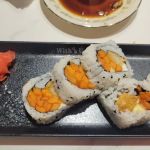 Withufusion Cuisine4.0 (58 reviews)
 Sarku Japan3.0 (219 reviews)
 Umi AYCE Sushi - Lakewood4.0 (141 reviews)
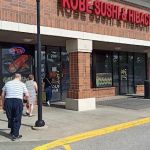 Kobe Japanese Steakhouse4.0 (599 reviews)
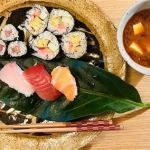 Exploring the Menu at Sushi Yoko Japanese Restaurant: A Culinary Journey
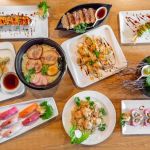 Exploring the Menu at Kimono Japanese Restaurant: A Culinary Journey
 An Insider’s Review of Authentic Japanese Restaurants Near Me: Where to Find the Best Sushi and More
 What Restaurant Do Japanese Cook Your Food? Discover Teppanyaki Dining
 Best Japanese Restaurants in Atlanta: Insider’s Guide to Sushi, Ramen, and More
 How to Order at a Japanese Restaurant: Essential Tips for a Great Dining Experience