

1. Understanding the Basics of Japanese Restaurant Etiquette
When you step into a Japanese restaurant, it’s essential to understand the basic dining etiquette to make your experience smooth and enjoyable. Japanese dining culture is steeped in respect and traditions, so being familiar with these practices will help you feel more comfortable. Here are a few essential tips to consider before ordering:
1.1 Greeting and Seating
Upon entering a Japanese restaurant, you’ll usually be greeted with “Irasshaimase!” (welcome). You may be asked to wait, depending on the time and location. Once seated, the server will typically provide you with a wet towel (oshibori) to clean your hands before eating, so be sure to use it properly.
1.2 Understanding the Menu
Menus in Japanese restaurants might be entirely in Japanese or include both English and Japanese. If you're unsure, don’t hesitate to ask the server for recommendations or about certain dishes. Most restaurants also offer photos or illustrations, which can be a helpful guide for unfamiliar foods.
2. Key Tips for Ordering at a Japanese Restaurant
Knowing how to order at a Japanese restaurant is key to having a successful and enjoyable meal. Here are some helpful tips to navigate the menu and the ordering process:
2.1 Use the Phrase “Onegaishimasu” (Please)
When ordering, you’ll often say “Kore o kudasai” (I’d like this) or simply point to an item on the menu. However, to show respect and politeness, adding “Onegaishimasu” after your request can make your ordering sound more courteous. It’s always appreciated in Japanese culture!
2.2 Don't Hesitate to Ask Questions
If you’re unfamiliar with a dish or have specific dietary preferences, feel free to ask questions. Servers in Japanese restaurants are typically happy to explain the ingredients or recommend dishes that fit your needs. Don't be afraid to inquire about the spice level, ingredients, or even what’s popular among locals!
2.3 Order a Variety
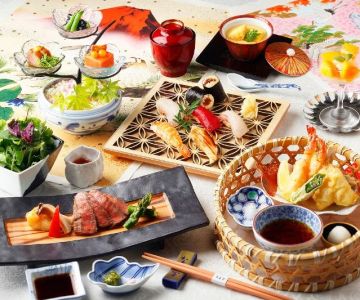
Japanese meals are often best enjoyed when shared. Instead of ordering just one item, try to order a variety of dishes to experience different flavors. Popular choices include sushi, sashimi, tempura, and ramen. Pairing different types of food will also give you a well-rounded meal.
3. Common Japanese Dishes to Know Before You Order
Before you visit a Japanese restaurant, it’s good to have a basic understanding of some of the most common dishes you might encounter. Here are a few must-know dishes that you can look out for:
3.1 Sushi and Sashimi
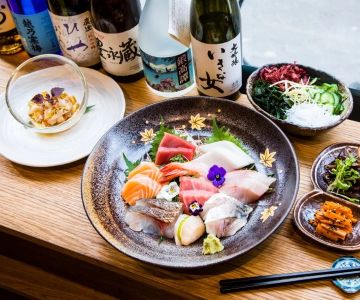
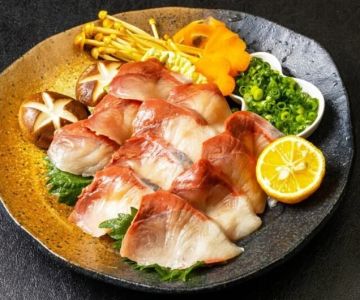
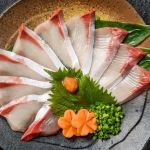
Sushi and sashimi are probably the most well-known Japanese dishes worldwide. Sushi consists of vinegared rice paired with various ingredients like seafood, vegetables, or egg. Sashimi, on the other hand, is raw fish sliced thinly and served without rice. If you’re not sure which to order, you can ask for a sushi and sashimi platter to try both.
3.2 Ramen
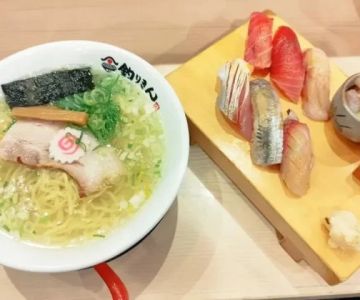
Ramen is a popular noodle dish that comes in different flavors like shoyu (soy sauce), miso, and tonkotsu (pork bone broth). Ramen is usually served with toppings like boiled eggs, sliced pork, and vegetables. Ordering ramen is a fantastic way to experience Japanese comfort food.
3.3 Tempura
Tempura consists of battered and deep-fried seafood or vegetables. It’s crispy, light, and often served with a dipping sauce. Tempura is a great choice if you're looking for a crunchy, flavorful dish that's not too heavy.
3.4 Donburi
Donburi is a rice bowl dish topped with various ingredients. Popular variations include oyakodon (chicken and egg) and gyudon (beef). This dish is hearty and comforting, perfect for those who prefer a filling meal.
4. Tipping Etiquette at Japanese Restaurants
One important aspect to remember when dining at a Japanese restaurant is that tipping is not a common practice in Japan. In fact, it may even be seen as rude. Japanese culture places a strong emphasis on excellent service, and servers are paid accordingly, so tipping is not necessary.
5. Real-Life Case Study: Ordering at a Japanese Restaurant
Sarah, a first-time visitor to a Japanese restaurant, was initially overwhelmed by the menu and the traditional dining etiquette. However, after a little guidance from the friendly staff, she confidently ordered a sushi and sashimi platter along with a bowl of ramen. By asking questions about the ingredients and taking the time to learn about the dishes, Sarah had a memorable and delicious dining experience.
6. Recommendations for Finding the Best Japanese Restaurants
For those seeking the best places to dine, check out the recommendations on the Japanese Restaurant website, where you can find expert suggestions on top restaurants, authentic dishes, and food services in your area. Whether you're new to Japanese cuisine or a seasoned foodie, exploring these restaurants will offer a true taste of Japan.
7. Conclusion
Ordering at a Japanese restaurant might seem intimidating at first, but with a little understanding of the dining culture and some basic phrases, you’ll soon feel at ease. Embrace the diversity of dishes, enjoy the experience, and don’t hesitate to ask for help if needed. To explore more about the best Japanese food experiences, visit Japanese Restaurant for expert tips and product recommendations tailored to your tastes!
 Matsuri Restaurant4.0 (363 reviews)
 Ichiban Bistro4.0 (224 reviews)
 Mori Sushi & Bento4.0 (568 reviews)
 ROLL SPOT sushi & desserts Tokyo Haus Sushi & Grill4.0 (89 reviews)
 Ai-Sakae Asian Cuisine4.0 (189 reviews)
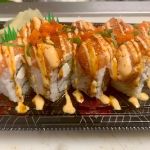 Oshiki Japan (Quail Springs Mall)3.0 (43 reviews)
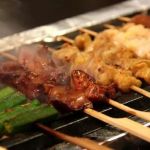 Why Locals Recommend Asaka Japanese Restaurant
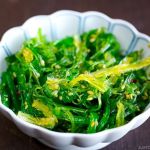 How to Make Japanese Restaurant Seaweed Salad at Home
 How to Eat Octopus in a Japanese Restaurant Like a Local
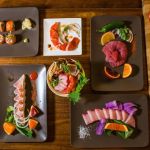 Top Dishes You Should Order at Hiro Japanese Restaurant
 Why Locals Recommend Sarku Japanese Restaurant | Japanese Restaurant
 What Makes Yellowtail Japanese Restaurant Stand Out Among Japanese Restaurants