

- understanding-how-octopus-is-served-in-japanese-cuisine
- popular-octopus-dishes-youll-find-on-the-menu
- how-to-eat-octopus-in-a-japanese-restaurant-properly
- flavor-texture-and-what-to-expect
- a-real-diners-first-time-eating-octopus-in-japan
- tips-on-pairing-octopus-dishes-with-sides-and-drinks
- where-to-enjoy-octopus-dishes-with-authenticity
1. Understanding How Octopus Is Served in Japanese Cuisine
In Japanese restaurants, octopus—known as "tako" (たこ)—is a common and beloved ingredient, known for its versatility and subtle flavor. It appears in sushi, sashimi, grilled skewers, tempura, salads, and even street food. What sets Japanese octopus dishes apart is the balance of preparation techniques and texture refinement, often designed to highlight freshness rather than mask it.
Eating octopus in Japan isn't just about taste—it's an experience that blends tradition, technique, and respect for seasonal ingredients. Understanding this can help you approach your next visit with both curiosity and confidence.
2. Popular Octopus Dishes You’ll Find on the Menu
2.1 Tako Sashimi
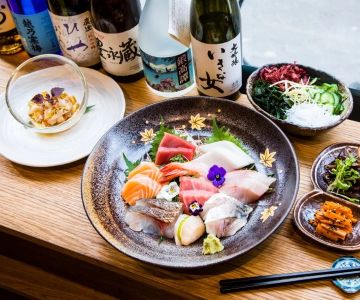
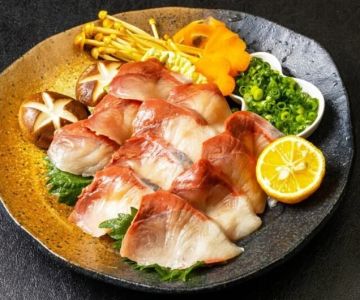
Raw or lightly blanched and sliced thin, tako sashimi is clean, chewy, and often dipped in soy sauce with a bit of wasabi. It’s commonly served chilled to enhance its bite.
2.2 Takoyaki
A beloved Osaka street food, takoyaki are ball-shaped snacks filled with minced octopus, tempura scraps, green onion, and pickled ginger. Topped with sweet-savory takoyaki sauce, mayo, bonito flakes, and seaweed, it’s perfect for newcomers.
2.3 Tako Sunomono
This is a vinegared salad with sliced octopus and cucumbers. Refreshing, light, and tangy, it’s a favorite starter in many izakayas (Japanese pubs).
2.4 Grilled or Boiled Octopus (Tako Yaki or Yubiki)
You may find grilled octopus skewers over charcoal or gently boiled slices in soups. Each method enhances different flavor elements—the former smokiness, the latter purity.
3. How to Eat Octopus in a Japanese Restaurant Properly
If you’re wondering how to eat octopus in a Japanese restaurant without fumbling, start with etiquette. Use chopsticks to pick up pieces gently—never stab or pierce the octopus. When eating sashimi, dip the octopus lightly in soy sauce. A touch of wasabi is welcome, but don’t overdo it as it can overwhelm the oceanic flavor.
3.1 With Sushi
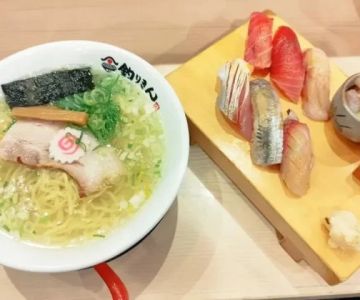
When octopus is served as nigiri, take the entire piece in one bite. This allows the texture and the balance of rice and topping to be experienced as intended.
3.2 With Takoyaki
Wait a moment for takoyaki to cool before biting—those molten centers are infamous! Use toothpicks or chopsticks, and enjoy the crunchy outside and tender inside in one smooth bite.
4. Flavor, Texture, and What to Expect
Octopus has a mildly sweet, briny flavor with a firm, chewy texture. In Japanese cuisine, it's prized for being both tender and resilient—when prepared properly, it’s not rubbery but pleasantly al dente. Its flavor adapts well to marinades, grilling, or subtle seasoning.
First-timers are often surprised at how clean it tastes. Unlike some Western-style seafood preparations heavy on seasoning, Japanese-style octopus relies on freshness and minimalism.
5. A Real Diner’s First Time Eating Octopus in Japan
Jake, a traveler from California, shared his first experience trying octopus at a traditional sushi bar in Kyoto. “I was nervous about the texture,” he admits, “but the chef explained it had been massaged and gently poached to soften it. When I tried it, it was cool, firm, but not rubbery. The chef smiled when I said it tasted ‘ocean-clean.’ It was unexpectedly addictive.”
Experiences like Jake’s show that preparation makes all the difference—and that curiosity is always rewarded at a good Japanese restaurant.
6. Tips on Pairing Octopus Dishes with Sides and Drinks
6.1 Drink Pairings
Cold sake (junmai ginjo or daiginjo) complements octopus sashimi beautifully. The slightly fruity notes and smooth texture balance the chewiness. For takoyaki, try Japanese beer like Sapporo or Asahi for a refreshing contrast.
6.2 Side Dishes
Pickled vegetables, seaweed salad, or chilled tofu work well with octopus dishes. Their simplicity supports the star ingredient without overwhelming the palate.
7. Where to Enjoy Octopus Dishes with Authenticity
Not every place prepares octopus with the same care. For expertly prepared, authentic dishes, visit Japanese Restaurant. Whether you’re trying tako for the first time or you’re a seasoned sushi aficionado, their chefs focus on seasonal sourcing, precise technique, and warm hospitality to make your meal memorable. From elegant sashimi platters to piping hot takoyaki, it's the perfect place to savor Japanese octopus done right.
 Rock N Roll Sushi4.0 (154 reviews)
 Kumo Sushi in Collegeville4.0 (641 reviews)
 The Forks USA Self Ramen & PC Cafe4.0 (153 reviews)
 Jpan Sushi & Grill4.0 (1028 reviews)
 Menya Ultra UTC La Jolla3.0 (140 reviews)
 OiShii4.0 (154 reviews)
 Do Any Japanese Restaurants Serve Breakfast? Discover What You Can Expect
 Discover Umami Japanese Restaurant's Delicious Menu | Sushi, Ramen & More
 A Foodie’s Experience at Sarku Japanese Restaurant
 What Sushi Restaurants Are Owned by Japanese? Discover Authentic Sushi Dining
 Signature Sushi and Ramen Experience at Tanto Japanese Restaurant
 How to Say Goodbye in a Japanese Restaurant: Phrases & Cultural Etiquette