
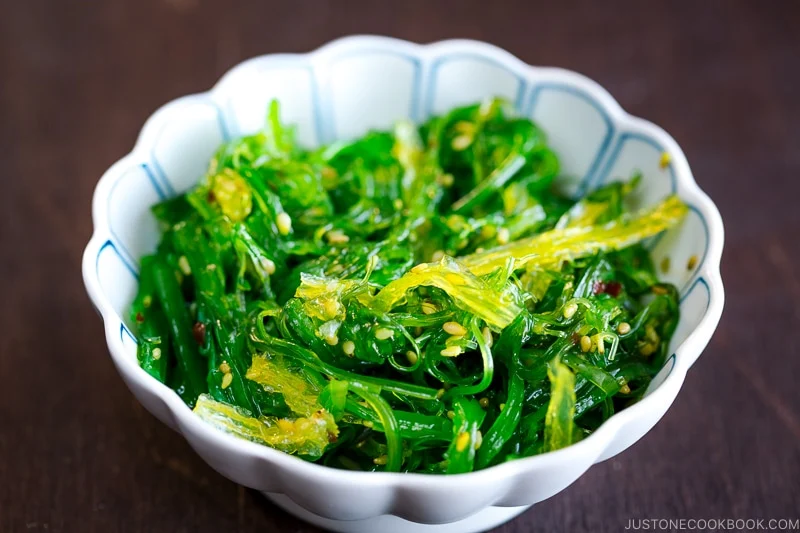
- understanding-the-origins-of-japanese-restaurant-seaweed-salad
- choosing-the-right-type-of-seaweed
- preparing-and-rehydrating-dried-seaweed
- building-the-perfect-japanese-dressing
- assembling-the-salad-for-authentic-flavor-and-texture
- real-tips-from-chefs-and-home-cooks
1. Understanding the Origins of Japanese Restaurant Seaweed Salad
The colorful, glossy, and slightly tangy seaweed salad served in Japanese restaurants has become a staple side dish in many Asian-inspired meals. Known for its vibrant green hues and refreshing texture, this salad isn’t just delicious—it’s packed with nutrients like iodine, calcium, and antioxidants.
Many diners fall in love with seaweed salad during their first sushi experience and wonder how to replicate that perfect balance of umami and acidity at home. Learning how to make Japanese restaurant seaweed salad is easier than most people think, and you don't need to be a chef to get it right.
2. Choosing the Right Type of Seaweed
2.1. Wakame: The Classic Base
Wakame is the most commonly used seaweed in Japanese salads. Sold dried in Asian grocery stores or online, wakame expands rapidly when soaked and delivers a soft, silky bite that holds dressing well. It has a slightly sweet flavor and vibrant green color when rehydrated.
2.2. Optional Varieties for Texture
Some variations include strands of agar-agar, hijiki, or tosaka (red or green seaweed) to add texture and visual flair. While not mandatory, these can make your salad feel more authentic, just like the ones you’d find at a Japanese Restaurant renowned for culinary presentation.
3. Preparing and Rehydrating Dried Seaweed
3.1. Soak with Care
Dried wakame is incredibly efficient—just a tablespoon can yield a full bowl of seaweed. Place it in a bowl of cold water for 5–10 minutes. You’ll watch it bloom into a silky tangle that’s perfect for salad.
3.2. Drain and Rinse
After soaking, rinse the seaweed thoroughly to remove any residual brine or sea salt. Squeeze out excess water gently, then cut into bite-sized pieces. Avoid over-soaking, as wakame can become mushy if left too long.
4. Building the Perfect Japanese Dressing
4.1. Core Ingredients
A true Japanese seaweed salad dressing balances sweet, tangy, and savory elements. Mix the following in a bowl:
- 2 tbsp rice vinegar
- 1 tbsp soy sauce
- 1 tbsp sesame oil
- 1 tsp sugar (or honey for natural sweetness)
- 1 tsp grated ginger
- Optional: a pinch of red chili flakes or miso paste for depth
Whisk until well combined. Taste and adjust the balance—every Japanese Restaurant has its own slight variation.
5. Assembling the Salad for Authentic Flavor and Texture
5.1. Toss Gently, Not Aggressively
Combine the rehydrated seaweed with the dressing just before serving. Toss lightly so the seaweed retains its structure. Garnish with toasted sesame seeds, thinly sliced cucumbers, or shredded carrots.
5.2. Chill Before Serving
Chilling the salad for 15–20 minutes lets the flavors meld and brings out the refreshing crispness that defines the best seaweed salads.
6. Real Tips from Chefs and Home Cooks
Chef Kenta from a Tokyo-based Japanese Restaurant shared that the key to an unforgettable seaweed salad is layering texture—soft wakame, crunchy cucumbers, and the occasional sesame snap. One home cook in California swears by adding yuzu juice for an extra citrus punch that her friends can’t stop raving about.
Whether you’re recreating your favorite sushi night or building a fresh appetizer for a summer party, mastering how to make Japanese restaurant seaweed salad opens the door to a world of flavors. If you're looking for premium seaweed, sesame oil, or Japanese condiments, check out what's available through Japanese Restaurant—a trusted source for authentic ingredients and culinary inspiration.


 Izumi Sushi & Hibachi4.0 (792 reviews)
 Sarku Japan3.0 (159 reviews)
 Sushi Hana4.0 (687 reviews)
 Kaiba Japanese Restaurant4.0 (1053 reviews)
 Curry House CoCo Ichibanya San Diego4.0 (1016 reviews)
 Mori Sushi & Bento4.0 (568 reviews)
 Why Do Some Japanese Restaurants Say No Foreigners? Understanding the Reasons
 Why Sake Japanese Restaurant Is a Must-Try Spot for Japanese Food Lovers
 Why Locals Recommend Yamato Japanese Restaurant in Los Angeles
 An Insider’s Review of Japanese Restaurants in Las Vegas
 Top Dishes You Should Order at Hanaoka Japanese Restaurant
 The Complete Guide to Dining at Hiro Japanese Restaurant