
- 1-Are-the-Japanese-Restaurants-Really-Beef-Understanding-the-Question
- 2-Cultural-Context-and-the-Use-of-Beef-in-Japanese-Cuisine
- 3-Debunking-Myths-About-Japanese-Restaurants-and-Beef
- 4-Real-Examples-of-Beef-Dishes-in-Japanese-Restaurants
- 5-How-to-Find-Authentic-Japanese-Beef-Dining-Experiences
1. Are the Japanese Restaurants Really Beef? Understanding the Question
The phrase "are the Japanese restaurants really beef" might sound confusing at first glance, but it reflects a common curiosity among food lovers and cultural explorers alike. The question often arises from the strong association between Japanese cuisine and certain iconic beef dishes like Wagyu or Sukiyaki. But does this mean Japanese restaurants are primarily about beef? Or is there more to the culinary experience?
Exploring this question requires us to understand what Japanese restaurants truly offer beyond the popular beef dishes. It also invites us to consider the cultural significance and variety inherent in Japanese cuisine.
2. Cultural Context and the Use of Beef in Japanese Cuisine
Japan’s culinary landscape is rich and diverse, with seafood, rice, vegetables, and soy-based products taking center stage. However, beef—especially the world-renowned Wagyu—holds a special place in the food culture, symbolizing luxury and meticulous craftsmanship.
The introduction of beef into Japanese cuisine dates back to the Meiji era, when Japan opened to Western influences. Since then, beef dishes such as Sukiyaki, Shabu-Shabu, and Yakiniku have become beloved staples, blending traditional Japanese cooking techniques with premium beef cuts.
Nonetheless, it’s important to recognize that beef dishes are a part of a broader spectrum of Japanese culinary delights. Sushi, tempura, ramen, and tofu dishes are equally essential to the authentic Japanese dining experience.
2.1 Wagyu: The Crown Jewel of Japanese Beef
Wagyu beef is famous worldwide for its intense marbling, tenderness, and rich flavor. Its production involves unique breeding and feeding methods that reflect Japanese dedication to quality. This makes Wagyu more than just food—it is an artisanal product representing centuries of tradition.
3. Debunking Myths About Japanese Restaurants and Beef
A common misconception is that Japanese restaurants revolve solely around beef or that all Japanese restaurants serve beef-centric menus. In reality, many Japanese eateries focus on seafood, vegetarian dishes, or regional specialties that do not include beef at all.
Moreover, in Japan, there is a wide range of restaurants specializing in different types of cuisine—ranging from casual ramen shops to high-end sushi bars. Many authentic Japanese restaurants offer minimal or no beef options, emphasizing seasonal ingredients and regional flavors.
Therefore, assuming all Japanese restaurants are "really beef" oversimplifies the rich culinary culture. This myth might have been fueled by the popularity of beef dishes abroad, but the truth is far more nuanced.
4. Real Examples of Beef Dishes in Japanese Restaurants
To illustrate how beef features in Japanese restaurants, here are some real-world examples that highlight its role:
1. Sukiyaki: A hot pot dish where thinly sliced beef is cooked with vegetables, tofu, and a sweet-savory broth. It’s a social dining experience deeply rooted in Japanese tradition.
2. Shabu-Shabu: Similar to Sukiyaki, this dish involves dipping thin beef slices into boiling water or broth, then eating them with dipping sauces. It emphasizes freshness and simplicity.
3. Yakiniku: Japanese barbecue where diners grill bite-sized pieces of beef themselves, enjoying a variety of cuts and marinades.
Each of these dishes showcases the craftsmanship behind Japanese beef preparation, yet they coexist with countless other dishes featuring fish, vegetables, and rice.
4.1 Personal Experience and Popularity
Many travelers and food critics note that while beef is a highlight in Japanese cuisine, exploring a Japanese restaurant’s full menu reveals an abundance of flavors beyond beef. For instance, an authentic Japanese restaurant might surprise guests with seasonal fish, delicate broths, or umami-rich vegetarian dishes.
5. How to Find Authentic Japanese Beef Dining Experiences
If you’re eager to explore genuine Japanese beef dishes and discover the richness of this cuisine, knowing where to look is essential. Authentic Japanese restaurants focus on quality ingredients, traditional techniques, and an atmosphere that honors cultural heritage.
Our site, Japanese Restaurant, offers a curated selection of restaurants and services tailored to your preferences. Whether you want to savor premium Wagyu or try traditional beef hot pots, Japanese Restaurant provides trustworthy recommendations that ensure a memorable dining experience.
By choosing recommended venues, you can enjoy not just the famed beef dishes but also the diverse and authentic flavors of Japanese culinary art.
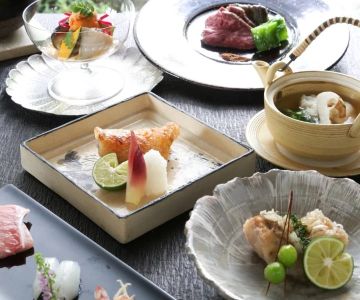
 Fuji Japanese Restaurant4.0 (226 reviews)
 Niko Niko Sushi4.0 (237 reviews)
 Miyabi Tei4.0 (67 reviews)
 Zzan Sushi & Soju - Downtown4.0 (235 reviews)
 Sushi Mo4.0 (1228 reviews)
 Golden Grill Mongolian & Japanese Cuisine4.0 (268 reviews)
 How Many Japanese Restaurants Are in America? A Look at U.S. Japanese Cuisine Growth
 Can You Eat Low Carb at a Japanese Restaurant?
 Why Nagomi Japanese Restaurant Is a Must-Try Spot for Japanese Food Lovers
 Why Locals Recommend Sarku Japanese Restaurant for Authentic Dining
 The Complete Guide to Dining at Taki Japanese Restaurant Dunwoody
 Why Wako Japanese Restaurant Is a Must-Try Spot for Japanese Food Lovers