
- how-many-japanese-restaurants-in-america - How Many Japanese Restaurants Are in America?
- the-growth-of-japanese-cuisine-in-the-us - The Growth of Japanese Cuisine in the U.S.
- types-of-japanese-restaurants-popular-in-america - Types of Japanese Restaurants Popular in America
- cities-with-the-most-japanese-restaurants - Cities with the Most Japanese Restaurants
- why-japanese-food-resonates-with-americans - Why Japanese Food Resonates with Americans
- how-to-find-authentic-japanese-restaurants - How to Find Authentic Japanese Restaurants
1. How Many Japanese Restaurants Are in America?
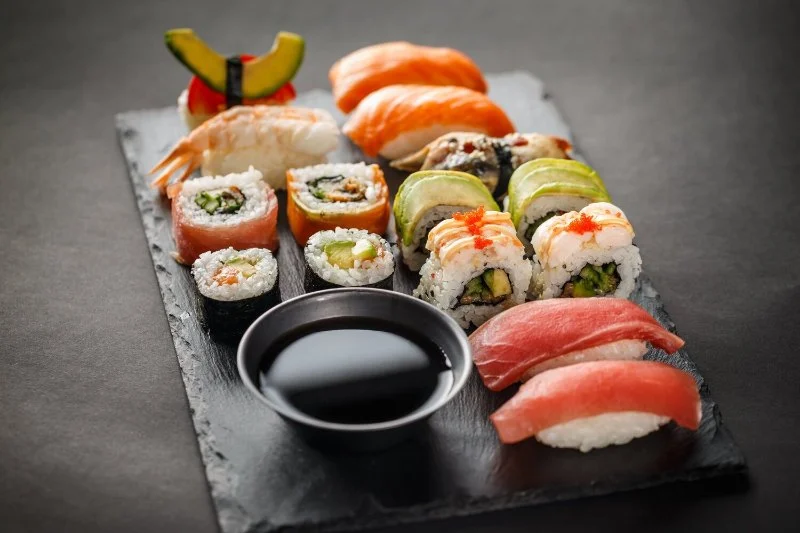
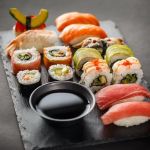
As of recent industry surveys, there are over 30,000 Japanese restaurants operating in the United States. This number continues to grow each year, reflecting the steady rise in popularity of Japanese cuisine. While it’s difficult to pinpoint an exact number due to varying definitions of what qualifies as “Japanese,” the statistic generally includes sushi bars, ramen shops, izakayas, teppanyaki spots, and fusion concepts that center Japanese techniques or flavors.
This surge also illustrates how deeply Japanese culinary culture has woven itself into American dining habits. Whether you're grabbing a spicy tuna roll from a supermarket or sitting down for an omakase experience, chances are there's a Japanese restaurant nearby ready to serve.
2. The Growth of Japanese Cuisine in the U.S.
The expansion of Japanese restaurants in America didn’t happen overnight. The first wave began in the 1960s and 70s, but it wasn't until the 1980s that sushi bars and teppanyaki-style eateries started to become mainstream, especially in coastal cities like Los Angeles and New York.
Now, Japanese cuisine is part of everyday food culture. From college towns to rural communities, you can find establishments ranging from quick-service bento shops to Michelin-starred sushi counters. According to restaurant industry analysts, Japanese food consistently ranks in the top five “most loved international cuisines” across American demographics.
3. Types of Japanese Restaurants Popular in America
Japanese dining in the U.S. isn't limited to just sushi. Here's a breakdown of popular types you’ll encounter:
Sushi Bars: Still the most recognized type, these range from conveyor belt sushi chains to high-end omakase tasting rooms.
Ramen Shops: Fueled by a global craze, ramen restaurants have boomed over the last decade. Tonkotsu, miso, and shoyu broths dominate menus.
Izakayas: Casual drinking and dining spots featuring small plates, skewers, and sake. Perfect for group gatherings.
Teppanyaki Grills: Known for the entertainment aspect—chefs flipping knives and tossing shrimp into hats while cooking in front of guests.
Japanese Bakeries and Cafés: Offering items like matcha lattes, mochi, melonpan, and savory curry breads.
4. Cities with the Most Japanese Restaurants
It’s no surprise that major metropolitan areas host the highest number of Japanese eateries. According to data collected by food review platforms and restaurant analytics firms:
Los Angeles leads with over 2,500 establishments, given its large Japanese-American population and direct cultural ties.
New York City follows closely, with a wide spectrum from tiny sushi counters in Brooklyn to luxury Kaiseki-style tasting menus in Manhattan.
San Francisco, Seattle, and Chicago are also major hubs, supported by diverse populations and a high demand for global cuisine.
Mid-sized cities like Austin, Denver, and Nashville have also seen significant growth in Japanese food options in the last five years, thanks to the millennial-driven interest in ramen, matcha, and artisanal sushi.
5. Why Japanese Food Resonates with Americans
Japanese cuisine checks all the boxes for the modern American diner: it’s visually beautiful, often health-conscious, flavorful without being heavy, and it offers a wide range of experiences. Whether you’re vegan, gluten-free, a meat lover, or pescatarian, there’s something for you.
Cultural elements also play a role. Japanese food emphasizes balance, respect for ingredients, and careful preparation—all values increasingly appreciated in a fast-paced, convenience-driven society. Social media has amplified its appeal even further; sushi platters and matcha desserts are practically made for Instagram.
6. How to Find Authentic Japanese Restaurants
With so many choices, how do you know if a restaurant offers authentic Japanese cuisine or just a fusion-inspired menu? Here are some expert tips:
- Look for Japanese chefs or staff—especially at sushi bars or kaiseki restaurants.
- Authentic establishments often feature Japanese signage, décor, and traditional dishes without over-Americanized names.
- Ask about ingredients: real wasabi, house-made ramen broth, and traditional sake offerings are good signs.
You can also visit curated directories like Japanese Restaurant to discover handpicked locations across the country. Whether you’re in search of an authentic Tokyo-style ramen bowl or the best mochi in town, finding the right place makes all the difference.
 Fuji Japanese Restaurant4.0 (226 reviews)
 Niko Niko Sushi4.0 (237 reviews)
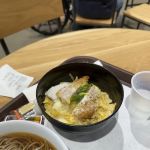 Miyabi Tei4.0 (67 reviews)
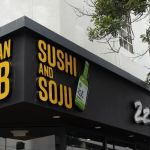 Zzan Sushi & Soju - Downtown4.0 (235 reviews)
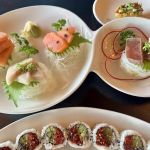 Sushi Mo4.0 (1228 reviews)
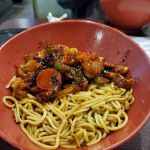 Golden Grill Mongolian & Japanese Cuisine4.0 (268 reviews)
 How Many Japanese Restaurants Are in America? A Look at U.S. Japanese Cuisine Growth
 Can You Eat Low Carb at a Japanese Restaurant?
 Why Nagomi Japanese Restaurant Is a Must-Try Spot for Japanese Food Lovers
 Why Locals Recommend Sarku Japanese Restaurant for Authentic Dining
 The Complete Guide to Dining at Taki Japanese Restaurant Dunwoody
 Why Wako Japanese Restaurant Is a Must-Try Spot for Japanese Food Lovers