
- 1-understanding-japanese-beef
- 2-authenticity-of-beef-in-japanese-restaurants
- 3-quality-standards-and-types-of-beef
- 4-real-cases-of-beef-authenticity
- 5-finding-trusted-japanese-restaurants
1. Understanding Japanese Beef and Its Global Reputation
When people ask, “are the Japanese restaurants really beeff?” they are often curious about the authenticity and quality of beef served, especially given the fame of Wagyu and Kobe beef. Japanese beef is celebrated worldwide for its intense marbling, tenderness, and rich flavor, resulting from unique breeding and feeding techniques.
However, not all Japanese restaurants serve authentic Wagyu or Kobe beef; some may offer domestic or imported alternatives. Understanding this distinction is key to appreciating what you’re ordering.
2. How Authentic is the Beef in Japanese Restaurants?
Authenticity varies significantly depending on the restaurant’s sourcing and standards. High-end Japanese restaurants often import genuine Wagyu beef from Japan, ensuring traceability and certification.
Conversely, more casual or fusion-style restaurants may serve beef that is inspired by Japanese techniques but sourced locally or from other countries. These dishes can still be delicious but differ from traditional Wagyu in texture and flavor.
3. Quality Standards and Types of Japanese Beef Served
Japanese beef is graded by the Japanese Meat Grading Association based on marbling, color, texture, and fat quality. Kobe beef, a subset of Wagyu, is one of the most exclusive, originating from Hyogo Prefecture.
Restaurants serving certified Wagyu typically highlight this on their menus and provide information about the grade and origin. It’s wise to inquire or research beforehand if authentic beef is a priority for you.
4. Real Cases Illustrating Beef Authenticity in Japanese Restaurants
A food blogger shared their experience visiting a reputed Japanese restaurant known for its Kobe beef. They appreciated the transparency in sourcing and the distinct melt-in-your-mouth texture, affirming the restaurant’s authenticity claims.
In contrast, another diner found that a trendy fusion spot served beef labeled “Japanese-style,” but upon inquiry, it was sourced locally with no Wagyu certification. This highlights the importance of careful selection when seeking genuine Japanese beef.
5. Finding Trusted Japanese Restaurants for Authentic Beef
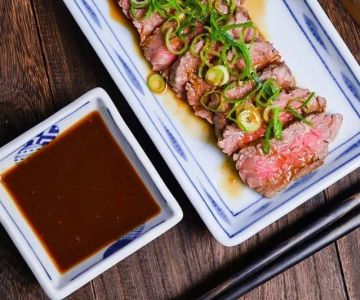
For those eager to savor genuine Japanese beef, our platform Japanese Restaurant offers curated listings of trusted venues known for their authenticity and quality. Whether you seek traditional Wagyu steak or innovative beef dishes, Japanese Restaurant helps connect you to the best options.
By choosing carefully and understanding the nuances, you can enjoy the full richness of Japanese beef as it was meant to be experienced.
 Sushi Train4.0 (2470 reviews)
 Terra Sushi4.0 (239 reviews)
 Nishiki Ramen & Sushi4.0 (299 reviews)
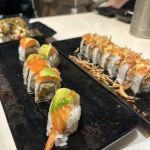 Umami Restaurant (All You Can Eat Sushi)4.0 (1427 reviews)
 Natsumi Sushi & Seafood Buffet4.0 (1986 reviews)
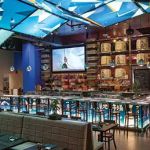 Blue Sushi Sake Grill4.0 (2562 reviews)
 What to Do in a Japanese Restaurant: Dining Etiquette, Menu Tips, and Cultural Insights
 The History and Flavor Behind Tachibana Japanese Restaurant – A Culinary Journey
 Exploring the Menu at Kazu Japanese Restaurant: A Journey Through Authentic Japanese Cuisine
 The History and Flavor Behind Sapporo Japanese Restaurant
 An Insider’s Review of Shima Japanese Restaurant: A Culinary Journey in Authentic Japanese Dining
 The Complete Guide to Dining at Sushi Yoko Japanese Restaurant