
- understanding-japanese-dining-culture
- etiquette-matters-how-to-behave-in-a-japanese-restaurant
- ordering-with-confidence-menu-tips-and-recommendations
- experiencing-authentic-japanese-cuisine-like-a-local
- modern-twists-traditional-roots-trending-dishes-and-dining-styles
- where-to-find-your-perfect-japanese-dining-experience
1. Understanding Japanese Dining Culture
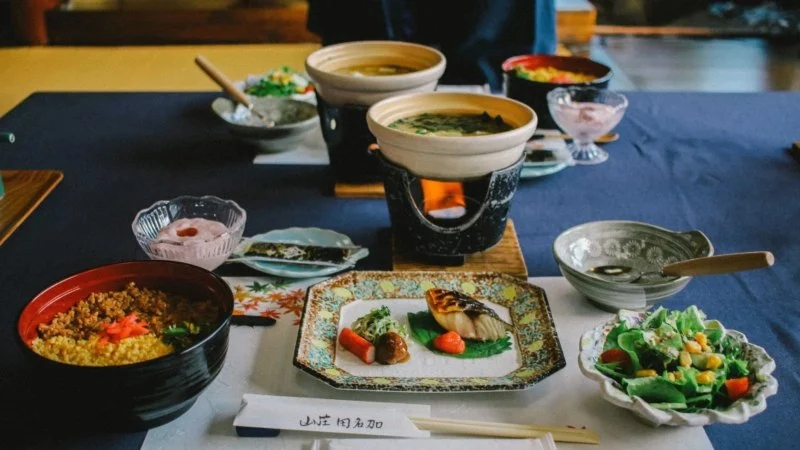
Before stepping into a Japanese restaurant, it helps to understand that dining in Japan—or an authentic Japanese establishment abroad—is more than just eating. It’s an experience deeply rooted in tradition, presentation, and respect. The concept of "omotenashi" (hospitality) guides the service, and attention to detail is evident from the décor to the placement of a single leaf on a sashimi plate.
In many places, especially in family-owned Japanese restaurants, customers are greeted with a warm “Irasshaimase!”—a welcome that’s more cultural than conversational. You’re not expected to respond, but a polite smile or slight bow goes a long way. The environment is usually quiet, serene, and reflective of nature, mirroring the aesthetics of the cuisine itself.
2. Etiquette Matters: How to Behave in a Japanese Restaurant
Understanding what to do in a Japanese restaurant starts with etiquette. Chopstick handling is perhaps the most noticeable area where cultural misunderstandings happen. Never stick your chopsticks vertically into a bowl of rice—that’s reserved for funerals. Passing food from chopstick to chopstick is also a major faux pas, for the same reason.
Many restaurants provide an "oshibori" (wet towel) for cleaning your hands before eating. Use it only for your hands—not your face. When drinking with others, especially in more formal settings, it’s customary to wait and say “Kanpai!” before taking a sip, and ideally pour drinks for others rather than yourself.
If you’re seated at a sushi bar, it's respectful to interact with the chef politely. You might say “Omakase” to let the chef choose your meal, a gesture of trust and an excellent way to try seasonal specialties. When finished, don’t tip—gratuity is typically built into the service, and offering money can be seen as awkward.
3. Ordering with Confidence: Menu Tips and Recommendations
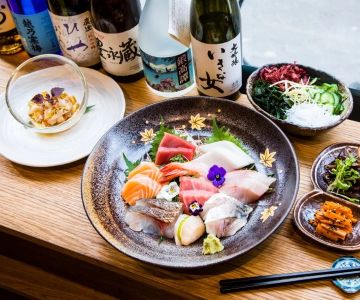
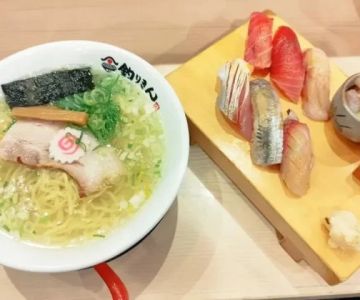
Menus in Japanese restaurants can seem intimidating at first, but once you break down the categories, it’s easier to navigate. Start with familiar categories like sushi (raw fish over vinegared rice), sashimi (slices of raw fish), and ramen (noodle soup). But there’s much more to explore—try tempura (lightly battered fried vegetables or seafood), tonkatsu (breaded pork cutlet), or donburi (rice bowls with toppings).
If you're unsure, many places now include pictures or offer English translations. In izakayas (Japanese pubs), sharing plates are common, so order several smaller dishes to try a variety. Look for seasonal specials marked on boards or on a separate menu—these often showcase the freshest ingredients and regional styles.
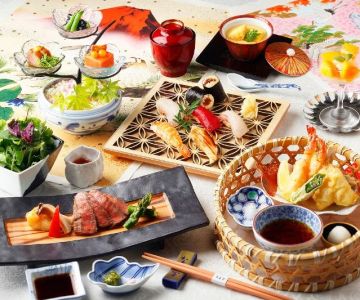
For a deeper dive, some diners prefer to go for "kaiseki"—a multi-course traditional meal that balances taste, texture, and seasonal beauty. This is a chance to see Japanese culinary philosophy at its finest.
4. Experiencing Authentic Japanese Cuisine Like a Local
One of the most immersive things to do in a Japanese restaurant is to eat like a local. Try sitting at the counter to observe the preparation process up close. If you're at a teppanyaki or yakiniku restaurant, you might even get to grill your own meats and vegetables tableside.
Don't be afraid to order dishes you can’t pronounce—staff are often happy to help, and it shows a willingness to learn. A memorable example is when a tourist in Osaka unknowingly ordered "basashi" (raw horse meat) and was surprised by how delicate and flavorful it was. It became their favorite dish during the trip, illustrating the magic of being open-minded.
Many locals finish their meals with a light dessert like matcha ice cream or warabi mochi, followed by hot green tea. Pay attention to the quiet appreciation others show toward their food—it’s common to say "Itadakimasu" before eating and "Gochisousama deshita" after finishing as a sign of gratitude.
5. Modern Twists, Traditional Roots: Trending Dishes and Dining Styles
In recent years, Japanese restaurants have embraced modern twists while honoring traditional roots. Fusion dishes like sushi tacos or ramen burgers have emerged in trendy urban eateries. Even traditional dishes like okonomiyaki (savory pancake) or takoyaki (octopus balls) are seeing inventive variations—like vegan-friendly fillings or globally inspired sauces.
One exciting example is a Tokyo café that lets you paint your own plate before it’s used to serve your food—blending creativity and dining into one experience. Another is the rise of “robot sushi” restaurants where technology handles the roll-making, but the flavors remain unmistakably Japanese.
Trying new interpretations is part of what to do in a Japanese restaurant today. It reflects a dynamic food culture that continues to evolve while staying connected to its centuries-old heritage.
6. Where to Find Your Perfect Japanese Dining Experience
No matter where you are, there's likely a Japanese restaurant catering to a variety of tastes—be it a minimalist Kyoto-style kaiseki house or a lively Tokyo-inspired izakaya. To find the best fit for your palate and occasion, visit our site Japanese Restaurant, where you’ll discover carefully curated options that range from sushi omakase experiences to budget-friendly ramen joints.
Whether you're a seasoned lover of Japanese cuisine or a curious first-timer, exploring what to do in a Japanese restaurant can be one of the most rewarding dining adventures. With respect, curiosity, and a hearty appetite, you’re sure to savor not just the flavors but also the soul of Japanese hospitality.
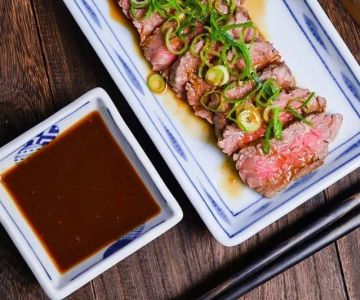
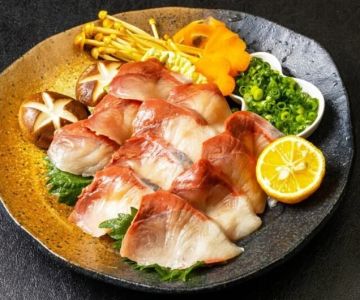
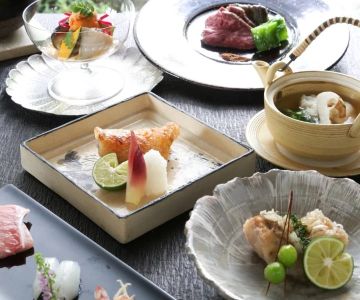
 Chef Soon Contemporary Sushi & Bar4.0 (801 reviews)
 Yama Sushi3.0 (180 reviews)
 Wasabi Kaizen5.0 (17 reviews)
 Nishi Poke & Ramen Bistro4.0 (136 reviews)
 Sushi Kingdom4.0 (469 reviews)
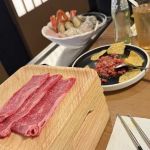 Chubby Cattle Shabu | Wagyu AYCE4.0 (1604 reviews)
 What to Do in a Japanese Restaurant: Dining Etiquette, Menu Tips, and Cultural Insights
 Why Locals Recommend Shiki Japanese Restaurant
 Why Locals Recommend Domo Japanese Restaurant: A Hidden Gem in the Neighborhood
 Exploring the Menu at Miyabi Japanese Restaurant
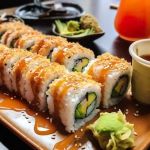 Signature Sushi and Ramen at Jinghe Japanese Restaurant – A Culinary Journey of Authentic Flavors
 Is Japanese Restaurant Good for Celiac People? Tips for Dining Gluten-Free