
- cultural-context-of-talking-in-japanese-restaurants
- the-role-of-ambiance-in-japanese-dining
- different-types-of-japanese-restaurants-and-etiquette
- real-dining-experience-in-japan-and-abroad
- how-to-enjoy-conversations-respectfully
- recommendation-japanese-restaurant
1. Cultural Context of Talking in Japanese Restaurants
If you’ve ever wondered are you allowed to talk in Japanese restaurants, the answer is yes—but with a culturally respectful tone. Japan places a high value on social harmony, and that extends into its dining spaces. Talking isn’t discouraged, but being overly loud is. Unlike in Western restaurants, where bustling conversations and background noise are common, Japanese eateries often value a more subdued atmosphere that allows everyone to enjoy the food and the environment.
2. The Role of Ambiance in Japanese Dining
2.1 Calm Enhances the Culinary Experience
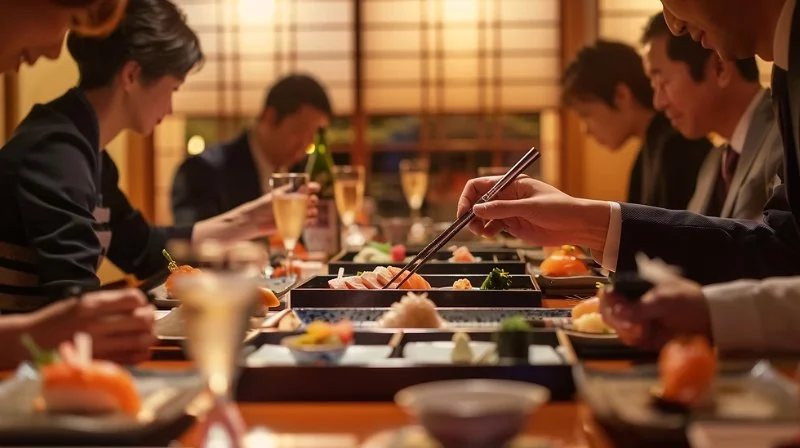
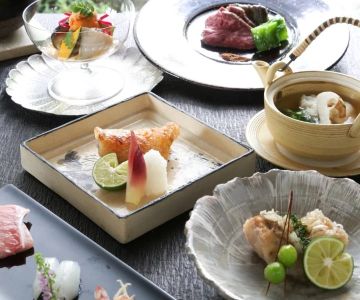
Japanese dining is often a meditative experience, especially in sushi bars and kaiseki (multi-course) restaurants. Chefs may focus intently on preparing each dish, and diners are encouraged to be present in the moment. That doesn’t mean silence is required—it simply means your voice should match the mood of the space. Whispered admiration of the food or a quiet conversation with a friend is perfectly acceptable.
2.2 Exceptions to the Rule
Of course, not every Japanese restaurant is a solemn affair. In izakayas—Japan’s answer to the pub—laughter, clinking glasses, and group chatter are the norm. Street-side ramen shops can also be livelier, where slurping is expected and conversation flows more freely.
3. Different Types of Japanese Restaurants and Etiquette
3.1 Sushi Counters
At sushi counters, diners often engage in hushed tones with the chef or fellow guests. It’s a sign of respect for the craftsmanship on display. Talking is allowed, just not disruptive.
3.2 Teppanyaki Restaurants
These lively spaces, where chefs perform cooking tricks tableside, invite applause, laughter, and lively interaction. Speaking up here is encouraged—but again, without overshadowing others.
3.3 Casual Dining and Family Restaurants
In chain restaurants and family-friendly establishments across Japan or in Japanese-themed restaurants abroad, conversation is welcome. The only unspoken rule? Don’t dominate the room.
4. Real Dining Experience in Japan and Abroad
Alex, an American traveler visiting Tokyo, shared a story of his first omakase dinner: “The room was so quiet, I almost didn’t want to talk. But then I saw others leaning in and whispering compliments to the chef. That’s when I realized—it’s not that you can’t talk; you just need to match the energy of the place.”
Back in Los Angeles, he visited a Japanese Restaurant with a modern twist. “It was loud, full of people laughing. Same cuisine, totally different vibe. It made me realize the setting really defines the social tone.”
5. How to Enjoy Conversations Respectfully
5.1 Read the Room
If others are speaking quietly, follow suit. If the room is lively, relax and join in. Avoid phone calls or video chats at the table—these are generally frowned upon in both Japanese and Western dining.
5.2 Engage With Staff When Appropriate
In Japanese culture, politeness extends to restaurant staff. Ask questions, thank your server, or show appreciation for your meal, but do so with genuine warmth and not theatrical volume.
5.3 Dining with a Group
If you're dining in a group at a Japanese Restaurant and you’re unsure how loud to be, lead by example: keep your voice conversational, smile often, and be mindful of others around you. Respect is universal.
6. Recommendation: Japanese Restaurant
Whether you’re in Tokyo, New York, or Toronto, your best bet for authentic Japanese etiquette and dining experience is to seek out reputable venues. At Japanese Restaurant, you’ll find curated recommendations for the perfect balance of flavor and ambiance—whether you're seeking quiet refinement or lively ramen house chatter.
So yes—you are allowed to talk in Japanese restaurants. Just do it thoughtfully, respectfully, and with a genuine appreciation of the culture you’re dining within.
 Sapporo Japanese Steakhouse & Revolving Sushi4.0 (1147 reviews)
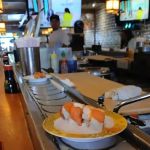 Sushi Sumo4.0 (966 reviews)
 Mushi Japanese Food and More5.0 (8 reviews)
 Shoto Japanese Steakhouse & Seafood4.0 (883 reviews)
 Osaka Grill Japanese Cuisine5.0 (7 reviews)
 Miyako's Teriyaki & Wok4.0 (266 reviews)
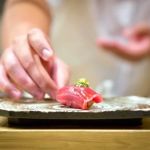 Exploring the Menu at Good Japanese Restaurants in NYC: Top Dishes to Try
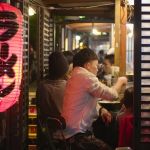 How to Say “Where is the Restaurant” in Japanese and Use It Right
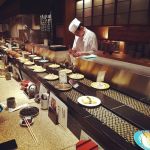 The History and Flavor Behind Akasaka Sushi Korean Japanese Restaurant | Japanese Restaurant
 Explore the Menu at Fugakyu Japanese Restaurant for Craft Drinks & More
 Can You Eat Low Carb at a Japanese Restaurant? Smart Choices to Stay on Track
 The Complete Guide to Dining at Ami Japanese Restaurant: A Unique Experience