
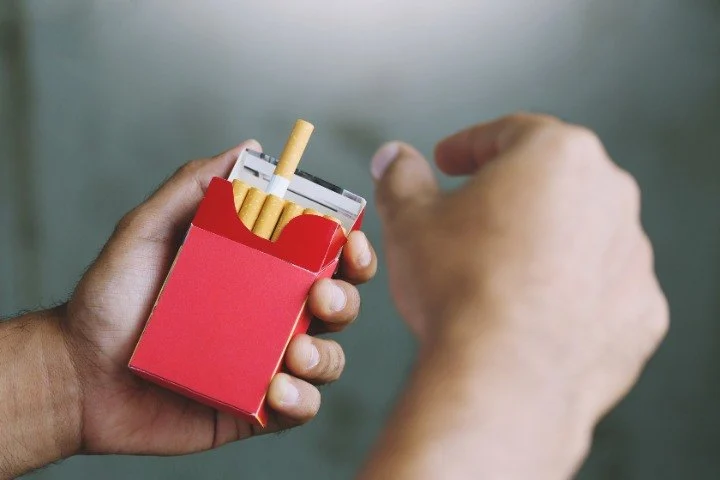
Can You Smoke in Japanese Restaurants?
- 1. Overview of Smoking Policies in Japanese Restaurants
- 2. Changes in Smoking Laws in Japan
- 3. Current Rules for Smoking in Japanese Restaurants
- 4. Best Practices for Non-Smokers and Smokers
- 5. How Smoking Affects the Dining Experience in Japan
1. Overview of Smoking Policies in Japanese Restaurants
In Japan, the question of whether you can smoke in restaurants depends on a few factors, including the establishment's size and its smoking policy. Traditionally, Japan has had a culture that was more lenient toward smoking in public spaces, including restaurants. However, in recent years, attitudes and regulations have changed in response to growing concerns over secondhand smoke and health risks.
This article explores the current state of smoking in Japanese restaurants, recent legal changes, and what it means for diners, particularly for non-smokers or those concerned about air quality while dining out.
2. Changes in Smoking Laws in Japan
In 2020, Japan passed stricter anti-smoking laws in preparation for the 2020 Tokyo Olympics, which were aimed at improving public health and air quality. These laws primarily focused on restricting smoking in public areas such as restaurants, cafes, and bars. Prior to this legislation, smoking was widely allowed in many Japanese dining establishments, but now smoking is limited in most indoor public spaces, including restaurants.
Restaurants with fewer than 100 square meters of floor space are now required to create designated smoking areas if they wish to allow smoking. Larger establishments, however, are still permitted to have smoking rooms, provided they meet specific ventilation standards.
3. Current Rules for Smoking in Japanese Restaurants
Today, whether or not smoking is allowed in a Japanese restaurant largely depends on its size and the restaurant’s own policy. The key points to understand are:
- Small Restaurants (Under 100 m²): These establishments must either create a separate smoking area or enforce a strict no-smoking policy throughout the restaurant.
- Larger Restaurants: Larger restaurants can offer smoking areas, but these must be equipped with ventilation systems that meet government standards to prevent smoke from contaminating the entire space.
- Specialty Areas: In some cases, certain specialty restaurants or cafes may still allow smoking in specific sections, but these are becoming less common.
Most high-end restaurants, particularly those catering to international tourists, have a no-smoking policy to create a more pleasant dining experience. This is especially common in popular areas of Tokyo, Kyoto, and other tourist-heavy cities.
4. Best Practices for Non-Smokers and Smokers
Whether you’re a smoker or a non-smoker, understanding the current rules and respecting restaurant policies will help ensure a more enjoyable dining experience for everyone.
- For Non-Smokers: If you’re concerned about smoke, look for restaurants that explicitly state a no-smoking policy or those with well-ventilated, designated smoking areas. Many restaurants now offer non-smoking sections, especially in larger cities.
- For Smokers: Be respectful of the smoking rules in place. Always smoke in the designated areas, and try to be mindful of the discomfort that others may experience from secondhand smoke.
For a better experience, both smokers and non-smokers should also consider choosing outdoor dining options, as many Japanese restaurants now offer pleasant outdoor seating where smoking is often more accepted.
5. How Smoking Affects the Dining Experience in Japan
In Japan, dining is often considered an experience that includes not only great food but also a comfortable and pleasant environment. Smoking in restaurants can negatively impact the ambiance, especially in smaller spaces where smoke tends to linger.
As the country continues to adopt stricter regulations, many restaurants are investing in improved ventilation systems, air purifiers, and even outdoor seating to ensure a more comfortable atmosphere for everyone. This has led to an overall improvement in the quality of dining experiences in Japan, as both smokers and non-smokers can enjoy their meals without significant disruptions.
If you're traveling to Japan and are unsure about smoking in restaurants, it's a good idea to check the restaurant's policy ahead of time, either by visiting their website or by asking when making a reservation. This will ensure that you have a comfortable dining experience without surprises.
For more information on the best Japanese dining experiences and tips on restaurants that cater to non-smokers, visit Japanese Restaurant.
 Sushi Train4.0 (2470 reviews)
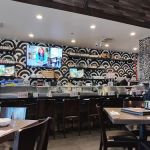 Terra Sushi4.0 (239 reviews)
 Nishiki Ramen & Sushi4.0 (299 reviews)
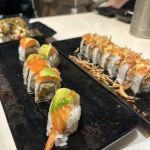 Umami Restaurant (All You Can Eat Sushi)4.0 (1427 reviews)
 Natsumi Sushi & Seafood Buffet4.0 (1986 reviews)
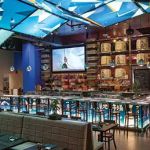 Blue Sushi Sake Grill4.0 (2562 reviews)
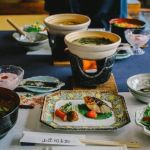 What to Do in a Japanese Restaurant: Dining Etiquette, Menu Tips, and Cultural Insights
 The History and Flavor Behind Tachibana Japanese Restaurant – A Culinary Journey
 Exploring the Menu at Kazu Japanese Restaurant: A Journey Through Authentic Japanese Cuisine
 The History and Flavor Behind Sapporo Japanese Restaurant
 An Insider’s Review of Shima Japanese Restaurant: A Culinary Journey in Authentic Japanese Dining
 The Complete Guide to Dining at Sushi Yoko Japanese Restaurant