
1. The Importance of a Good Japanese Restaurant Name
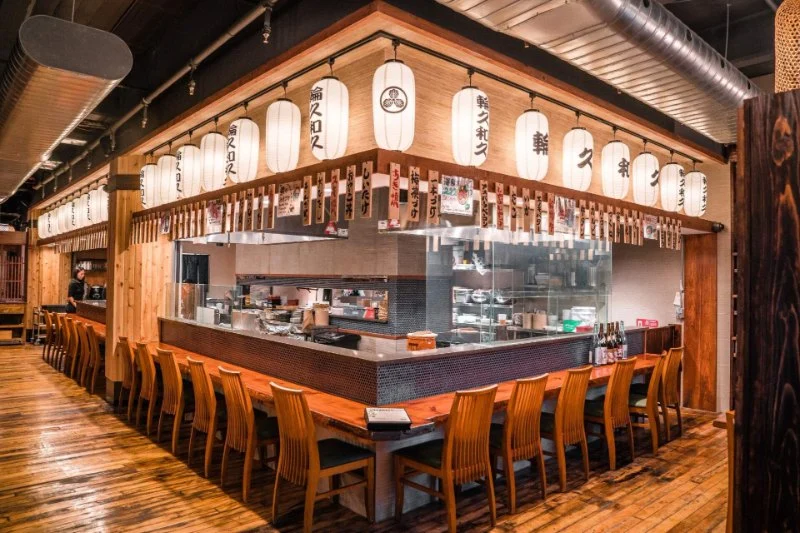
When starting a Japanese restaurant, one of the most crucial decisions you'll make is choosing a name. A good restaurant name sets the tone for your business, establishes brand identity, and plays a big role in attracting customers. The name should reflect the essence of Japanese culture, cuisine, and your restaurant's personality. Whether you’re opening a traditional sushi bar or a modern izakaya, the right name can make a lasting impression and help your restaurant stand out in a competitive market.
2. Key Considerations When Naming Your Japanese Restaurant
Choosing a name for your Japanese restaurant goes beyond just picking something that sounds appealing. There are several key factors to consider that can help you create a memorable and effective name.
1. Reflect the Authenticity of Japanese Cuisine
When naming your restaurant, it’s important to think about how closely the name ties to the authenticity of Japanese food and culture. For example, names that include traditional Japanese words like "Sushi," "Ramen," "Izayaka," or "Teppanyaki" can instantly communicate the type of food customers can expect. Authenticity is key to attracting those who are seeking an authentic Japanese dining experience.
2. Keep It Short and Easy to Remember
A simple, catchy name is easier for people to remember and recommend. Aim for something that rolls off the tongue easily and can be spelled without confusion. Names that are too long or hard to pronounce might be off-putting to potential customers. Think of names like "Sushiro," "Ramen House," or "Iki Sushi"—short, simple, and easy to recall.
3. Consider Your Location and Audience
Where your restaurant is located can also influence the name. If you’re opening your Japanese restaurant in a city with a large Asian community, you might want to opt for a name that is more traditional. On the other hand, if your restaurant will be in an area where Japanese cuisine is still a novelty, you may want to choose a name that is more descriptive or playful to attract curiosity and interest.
3. Creative Ideas for Naming Your Japanese Restaurant
When it comes to creative ideas, the possibilities for Japanese restaurant names are endless. Below are a few suggestions and concepts that can inspire you:
1. Incorporate Japanese Words and Phrases
Using Japanese words in your restaurant name adds authenticity and flair. Words like "Sushi," "Ramen," "Tempura," and "Noodle" are commonly used, but you can also explore other terms like "Kaiseki" (a traditional multi-course meal), "Yasai" (vegetable), or "Kumo" (cloud) to give your restaurant a unique twist. For example, a name like "Kumo Sushi" evokes an image of lightness and grace, while "Yasai Ramen" highlights the focus on vegetables in your ramen dishes.
2. Play on Japanese Culture and Nature
Japan has a rich cultural history, and you can use elements of nature and tradition to inspire your restaurant name. Consider incorporating aspects like "Sakura" (cherry blossom), "Fuji" (mountain), or "Zen" (peaceful state) to create an evocative and visually appealing name. Names like "Sakura Garden" or "Zen Ramen House" give an instant sense of tranquility and harmony, which resonates well with the Japanese dining experience.
3. Add a Personal Touch
Some Japanese restaurant names can be more personal, using the name of the owner, a family member, or even a place significant to your restaurant’s concept. This adds a sense of warmth and familiarity to the business. For instance, "Haruto's Kitchen" or "Nori’s Noodles" feels inviting and gives customers a sense of connection to the people behind the restaurant.
4. Research and Ensure Availability
Once you’ve come up with a few potential names, it’s essential to check their availability. Ensure that no other restaurants are using the name, especially in your local area, to avoid confusion or legal issues. Additionally, check if the domain name for your restaurant’s website is available and secure the name on social media platforms to help with branding.
1. Search for Trademark Issues
Before finalizing your restaurant name, do a trademark search to see if there are any conflicts. You don’t want to end up in a legal battle over your business name. Sites like the U.S. Patent and Trademark Office or other local trademark offices offer online tools to help you search for similar trademarks.
2. Secure Your Domain and Social Media Handles
In today’s digital world, having a consistent online presence is crucial for your restaurant’s success. Once you’ve settled on a name, make sure to claim the domain for your restaurant’s website. It's also important to secure social media handles that align with your restaurant name, so customers can easily find you online. For instance, "SushiZenNYC.com" and "Instagram.com/SushiZen" would create a cohesive and professional online presence.
5. Real-Life Example: How a Restaurant Name Affected Its Success
Take the example of "Izakaya Den" in Denver, a Japanese gastropub that quickly became a local favorite. The name "Izakaya Den" plays on the traditional Japanese "Izakaya" (casual drinking and dining spots) and adds a personal, inviting touch with the use of "Den," meaning a private, cozy space. The name not only reflects the casual dining experience but also creates an atmosphere that resonates with customers. The success of this restaurant highlights how a thoughtful name can significantly influence the customer experience and establish a strong brand identity.
6. Conclusion: A Good Japanese Restaurant Name is Key to Your Brand
Choosing a good Japanese restaurant name is an important step in building your brand and setting your restaurant up for success. The right name should evoke the spirit of Japanese cuisine, be easy to remember, and resonate with your target audience. Take your time, be creative, and ensure that the name aligns with your restaurant’s vision. If you need more advice or inspiration, visit Japanese Restaurant for expert tips, product recommendations, and more insights to help you launch your restaurant successfully.

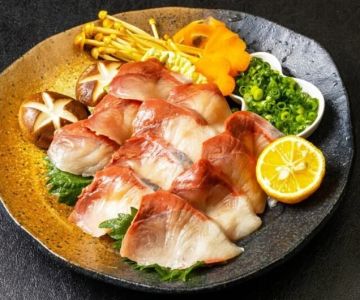
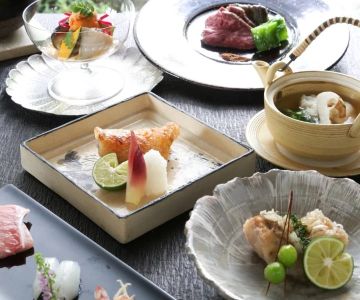
 Koto's4.0 (527 reviews)
 Sum Ramen4.0 (255 reviews)
 Kanbai Japanese Restaurant4.0 (43 reviews)
 a-won4.0 (16 reviews)
 Avocado sushi4.0 (97 reviews)
 Mr Tokyo Japanese Restaurant4.0 (266 reviews)
 Why Locals Recommend Tataki Japanese Restaurant in the US - A Taste of Authenticity
 Signature Sushi and Ramen at Hanaoka Japanese Restaurant
 Why Locals Recommend Yamato Japanese Restaurant in Los Angeles
 What to Order at a Japanese Restaurant: A Guide for First-Time Diners
 The Complete Guide to Dining at Hatsuhana Japanese Restaurant
 Why Goshi Japanese Restaurant SLO Is a Must-Try Spot for Japanese Food Lovers