
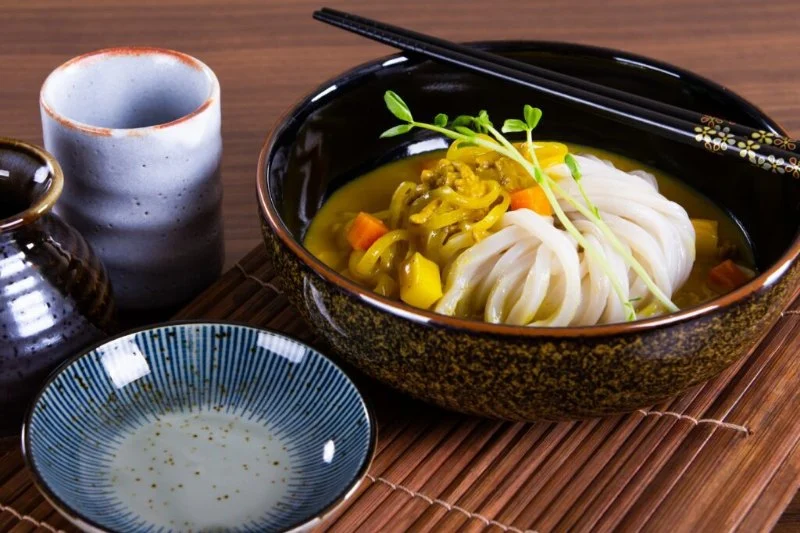
What’s the Soup at Japanese Restaurants? A Flavorful Tradition
- 1. Types of Soups You’ll Find at Japanese Restaurants
- 2. Popular Japanese Soups to Try
- 3. How to Make Japanese Soups at Home
- 4. Health Benefits of Japanese Soups
1. Types of Soups You’ll Find at Japanese Restaurants
Japanese cuisine is known for its delicate flavors and balance, and soup is an essential part of any meal. Whether you’re enjoying a casual meal or dining at a high-end restaurant, you’ll find various types of soups designed to complement your dish. Some of the most common soups include miso soup, clear broths, and fish-based soups. These soups are often served as part of a traditional Japanese meal or as an appetizer before the main course.
2. Popular Japanese Soups to Try
There are many types of soups served at Japanese restaurants, each with its own unique flavor profile and ingredients. Here are a few popular choices:
- Miso Soup: Perhaps the most iconic Japanese soup, miso soup is made from fermented soybean paste, called miso, and usually includes tofu, seaweed, and green onions. It’s comforting and light, perfect to start a meal.
- Clear Soup (Suimono): This light, clear broth is often served with simple ingredients like fish, vegetables, and mushrooms. It’s a great option for those looking for something delicate and refreshing.
- Ramen Soup: Known globally, ramen soup is a rich and flavorful noodle dish served in a meat-based broth, often with toppings like boiled eggs, pork, and bamboo shoots.
- Shoyu Soup: Made with soy sauce-based broth, this soup is hearty and rich, often served with seafood or meat.
3. How to Make Japanese Soups at Home
If you're craving Japanese soup but can't make it to a restaurant, you can easily prepare some of these soups at home. Here's a basic guide:
- Miso Soup: To make miso soup, simply combine dashi (a Japanese broth) with miso paste and add tofu and seaweed. You can also add other ingredients like mushrooms or green onions for added flavor.
- Clear Soup: For suimono, use a light chicken or fish broth as a base and add your choice of fish, vegetables, or even tofu. Season with soy sauce, salt, and a touch of sake for flavor.
- Ramen Soup: To make ramen, start with a rich pork or chicken broth and add ramen noodles. Top with your favorite ingredients such as soft-boiled eggs, sliced pork, and vegetables.
4. Health Benefits of Japanese Soups
Japanese soups are not only flavorful but also packed with health benefits. For example:
- Rich in Nutrients: Soups like miso are rich in probiotics, which can help with digestion and boost immunity.
- Low in Calories: Many Japanese soups, especially clear soups, are low in calories and make for a great healthy choice to pair with a meal.
- Hydration: Soups can help keep your body hydrated, especially with broths that include vegetables and seaweed.
 Izumi Sushi & Hibachi4.0 (792 reviews)
 Sarku Japan3.0 (159 reviews)
 Sushi Hana4.0 (687 reviews)
 Kaiba Japanese Restaurant4.0 (1053 reviews)
 Curry House CoCo Ichibanya San Diego4.0 (1016 reviews)
 Mori Sushi & Bento4.0 (568 reviews)
 Why Do Some Japanese Restaurants Say No Foreigners? Understanding the Reasons
 Why Sake Japanese Restaurant Is a Must-Try Spot for Japanese Food Lovers
 Why Locals Recommend Yamato Japanese Restaurant in Los Angeles
 An Insider’s Review of Japanese Restaurants in Las Vegas
 Top Dishes You Should Order at Hanaoka Japanese Restaurant
 The Complete Guide to Dining at Hiro Japanese Restaurant