
- 1-What-are-small-Japanese-restaurants-called-Introduction-to-Small-Japanese-Dining-Spots
- 2-Types-of-Small-Japanese-Restaurants-Exploring-Izakaya-and-More
- 3-Cultural-Significance-Why-These-Spots-Are-Important-in-Japanese-Culture
- 4-Real-Examples-and-Stories-Experiencing-Japanese-Small-Restaurants-Firsthand
- 5-Recommendations-Find-the-Best-Small-Japanese-Restaurants-at-Japanese-Restaurant
1. What Are Small Japanese Restaurants Called? Introduction to Small Japanese Dining Spots
When exploring Japanese cuisine, many people come across cozy, intimate dining spots that differ greatly from large chain restaurants. These are typically small Japanese restaurants known by specific names that capture their unique ambiance and dining style. Understanding what small Japanese restaurants are called not only enriches your cultural knowledge but also guides you to authentic culinary experiences.
In Japan, small eateries often offer personalized service, traditional recipes, and a warm atmosphere that larger restaurants can rarely replicate. The term that often comes up is “izakaya”, a type of informal Japanese pub serving drinks and a variety of small plates. However, the world of small Japanese restaurants is diverse and includes several other types with distinct characteristics.
2. Types of Small Japanese Restaurants: Exploring Izakaya and More
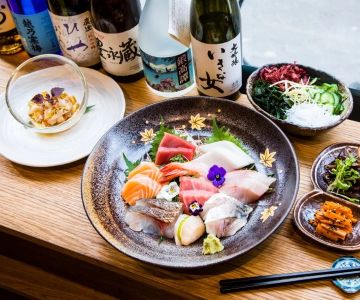
The most famous among small Japanese restaurants is the izakaya. Izakayas are casual drinking establishments where people gather after work to enjoy sake or beer alongside dishes like yakitori (grilled chicken skewers), sashimi, or tempura. They are often cramped but welcoming, embodying the essence of Japanese communal dining.
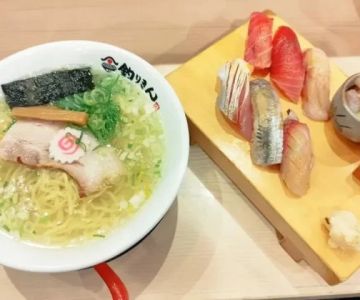
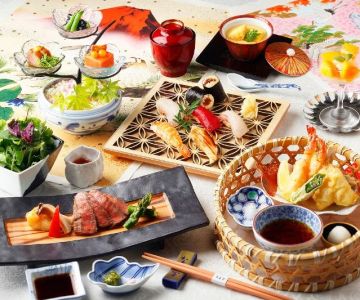
Besides izakayas, there are ramen shops that typically seat only a handful of customers, focusing on their specialty noodle dishes. Then there are kaiseki restaurants, which, although sometimes small, offer a multi-course haute cuisine experience, highlighting seasonality and artistic presentation.
Another notable type is the tachinomiya, meaning “standing bar,” where patrons enjoy quick drinks and snacks without seating, promoting casual and fast socialization. Each of these small dining spots has its own unique appeal, providing a variety of experiences under the umbrella of small Japanese restaurants.
2.1 Izakaya: The Heartbeat of Casual Japanese Dining
Izakayas are often family-owned or operated by passionate chefs, making each visit unique. The intimate setting encourages interaction between customers and staff, which many travelers find authentic and charming. The food served ranges from grilled meats and seafood to seasonal vegetable dishes, emphasizing freshness and simplicity.
2.2 Ramen Shops: Small Spaces with Big Flavors
Ramen shops exemplify efficiency and dedication. Despite their limited size, they deliver bold flavors through carefully crafted broths and toppings. Many ramen shops are hidden gems, loved by locals and adventurous tourists alike, showcasing how small Japanese restaurants can become legendary.
3. Cultural Significance: Why These Spots Are Important in Japanese Culture
Small Japanese restaurants are not just places to eat; they are cultural hubs that reflect social habits, history, and local customs. Izakayas, for instance, serve as communal spaces where coworkers unwind and build camaraderie. This social function is deeply embedded in Japanese work culture.
The design and scale of these restaurants also embody the Japanese principle of “ma” — an appreciation for space and timing. The modest size ensures a cozy atmosphere, fostering conversation and a slower pace, which contrasts sharply with fast food culture elsewhere.
Moreover, these small venues often maintain traditional cooking methods and recipes passed down through generations. This connection to heritage is a key reason why they continue to attract both locals and tourists seeking genuine experiences beyond the usual dining fare.
4. Real Examples and Stories: Experiencing Japanese Small Restaurants Firsthand
A memorable story comes from a traveler who visited a tiny izakaya in Tokyo’s Shinjuku district. The space had just a dozen seats and a simple menu written on a chalkboard. The owner, an elderly man, shared stories of his youth while preparing fresh sashimi. This personal touch transformed the meal into a cultural exchange, illustrating why these small restaurants hold such appeal.
Another example involves a ramen shop in Osaka famed for its rich pork broth and a queue that winds around the block despite its minimal seating. The owner’s commitment to quality and tradition is evident in every bowl, proving that the charm of small Japanese restaurants often lies in their dedication to craft rather than size or grandeur.
4.1 How These Experiences Enhance Culinary Appreciation
Engaging with these small restaurants offers more than just food — it’s about connecting with local life and stories. Whether it’s sharing a drink at an izakaya or slurping noodles at a ramen shop, the atmosphere invites visitors to immerse themselves in Japanese hospitality and culture.
5. Recommendations: Find the Best Small Japanese Restaurants at Japanese Restaurant
For those interested in discovering authentic small Japanese restaurants, our platform, Japanese Restaurant, provides carefully curated listings and reviews. Whether you seek the cozy vibe of an izakaya or the focused expertise of a ramen shop, Japanese Restaurant helps you locate the perfect spot to satisfy your craving for traditional Japanese cuisine.
Our recommendations are based on quality, authenticity, and user feedback, ensuring that you find eateries that prioritize genuine flavors and exceptional service. Visit Japanese Restaurant to explore detailed guides, menu highlights, and insider tips for an unforgettable culinary journey.
 Hashigo Sushi4.0 (283 reviews)
 FuGaKyu Japanese Cuisine4.0 (1434 reviews)
 Pepper Lunch4.0 (542 reviews)
 Mura Shabu Shabu3.0 (7 reviews)
 Osaka Ramen and Sushi4.0 (297 reviews)
 Koja Sushi4.0 (496 reviews)
 Why Restaurant Japanese Is a Must-Try Spot for Japanese Food Lovers
 Don Japanese Restaurant Auckland: Discover Authentic Donburi Flavors
 What Makes Green Tea Japanese Restaurant Stand Out Among Japanese Restaurants
 A Aki Japanese Restaurant: Where Tradition Meets Modern Japanese Dining
 Why Locals Recommend Kru Japanese Restaurant: A Hidden Gem for Authentic Japanese Cuisine
 What to Eat at a Japanese Restaurant Besides Sushi