
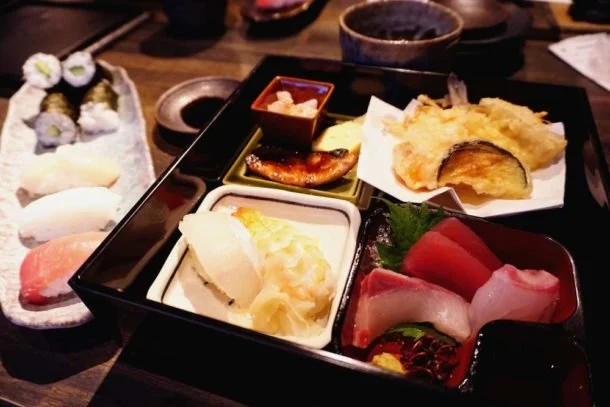
- what-to-eat-at-a-japanese-restaurant-besides-sushi
- warm-and-hearty-dishes-that-rival-sushi
- street-food-style-japanese-delights
- comfort-food-in-japanese-home-cooking
- sweet-finishes-and-traditional-desserts
- where-to-explore-more-than-sushi-in-style
1. What to Eat at a Japanese Restaurant Besides Sushi
While sushi is undeniably the international star of Japanese cuisine, it’s far from the only dish worth exploring. Many first-time diners or sushi-skeptics wonder what to eat at a Japanese restaurant besides sushi — and the good news is, there’s an entire culinary universe waiting beyond those neatly rolled maki. From soul-warming broths to crispy street snacks and delicate seasonal sweets, Japanese cuisine is incredibly diverse and deeply rooted in regional traditions.
In fact, some of the most beloved dishes in Japan are ones that rarely appear on the Westernized sushi menu. Let’s dive deep into the hidden gems that will expand your appreciation for Japanese food culture.
2. Warm and Hearty Dishes That Rival Sushi
2.1 Ramen: The Cult Favorite
It’s impossible to ignore the cultural wave ramen has created. More than just noodles in broth, authentic Japanese ramen is a layered experience of umami, texture, and warmth. Whether it's tonkotsu (pork bone), shoyu (soy sauce), or miso-based, this dish provides a fulfilling alternative to raw fish. Many restaurants even offer regional ramen styles from Hokkaido to Kyushu.
2.2 Donburi: Rice Bowls with Soul
Donburi, or Japanese rice bowls, are both comforting and endlessly customizable. Options like gyudon (beef bowl), katsudon (pork cutlet with egg), and oyakodon (chicken and egg) offer rich flavors and heartiness in one satisfying bowl. It’s the ideal choice for someone craving a complete, cooked meal at a Japanese restaurant besides sushi.
2.3 Udon and Soba Noodles
If ramen is too rich, consider the simpler elegance of udon or soba noodles. Udon is thick and chewy, typically served in a hot dashi broth, while soba (buckwheat noodles) can be enjoyed chilled with dipping sauce or warm with seasonal toppings. Both are widely loved comfort foods across Japan.
3. Street Food Style Japanese Delights
3.1 Takoyaki: Octopus Balls with a Crunch
These round, savory snacks made from a wheat-based batter and filled with diced octopus, green onions, and pickled ginger are a festival staple in Osaka. Served piping hot and topped with tangy sauce, mayo, and bonito flakes, takoyaki brings flavor and texture in every bite.
3.2 Okonomiyaki: The “Japanese Pizza”
Often described as a savory pancake or “Japanese pizza,” okonomiyaki is customizable and packed with ingredients like cabbage, pork, seafood, and more. Griddled to golden perfection and drizzled with sweet-savory sauce, it's a fun and interactive dining experience, especially in restaurants where you cook it yourself at the table.
3.3 Karaage: Japanese Fried Chicken Done Right
Karaage is Japan’s answer to fried chicken, and it often surprises newcomers with its juicy tenderness and umami-forward seasoning. Lightly marinated and double-fried for a satisfying crunch, it’s a must-try option for those who prefer cooked dishes over sushi.
4. Comfort Food in Japanese Home Cooking
4.1 Nikujaga: Simmered Meat and Potatoes
This humble dish — meat and potatoes stewed in a sweet-savory soy-based broth — is the quintessential Japanese comfort food. Nikujaga isn’t flashy, but it warms you from the inside out and reflects the simplicity and elegance of Japanese home kitchens.
4.2 Chawanmushi: Silky Egg Custard
Chawanmushi is a steamed egg custard dish, often served as an appetizer. Savory and delicate, it includes ingredients like mushrooms, shrimp, and gingko nuts, all suspended in a smooth, pudding-like texture. It's refined, quiet, and incredibly satisfying.
4.3 Tofu Dishes: Light Yet Satisfying
From agedashi tofu (deep-fried and served in hot broth) to hiyayakko (chilled with toppings like scallion and ginger), tofu takes center stage in many traditional Japanese meals. It’s a great vegetarian-friendly option and showcases the subtlety of flavor that Japanese cooking is known for.
5. Sweet Finishes and Traditional Desserts
5.1 Mochi and Daifuku
Mochi — chewy rice cakes — and daifuku (mochi filled with sweet red bean paste or fruit) are classic Japanese sweets that blend texture and taste in unique ways. Soft, stretchy, and not overly sugary, they offer a delicate ending to any meal.
5.2 Matcha-Based Desserts
Green tea isn’t just for drinking. Matcha ice cream, cakes, and puddings are common in Japanese dessert menus and loved for their earthy, slightly bitter edge. It's a flavor that grows on you — and once you fall for it, you’re hooked.
5.3 Anmitsu: A Traditional Dessert Bowl
Anmitsu is a visually beautiful dish combining agar jelly cubes, sweet red bean paste, fruits, and syrup. It’s light, refreshing, and a popular summer treat in Japan — a sweet you’re unlikely to find at a sushi-focused meal, but definitely worth seeking out.
6. Where to Explore More Than Sushi in Style
If you're eager to experience the full richness of Japanese cuisine beyond sushi, a visit to Japanese Restaurant is a great place to begin. From ramen to karaage, matcha desserts to okonomiyaki, you’ll find thoughtfully prepared dishes that celebrate Japan’s diverse culinary traditions. Our chefs bring years of regional knowledge to every plate, ensuring authenticity and satisfaction whether you're new to Japanese food or a seasoned fan looking to explore deeper flavors.
 Hashigo Sushi4.0 (283 reviews)
 FuGaKyu Japanese Cuisine4.0 (1434 reviews)
 Pepper Lunch4.0 (542 reviews)
 Mura Shabu Shabu3.0 (7 reviews)
 Osaka Ramen and Sushi4.0 (297 reviews)
 Koja Sushi4.0 (496 reviews)
 Why Restaurant Japanese Is a Must-Try Spot for Japanese Food Lovers
 Don Japanese Restaurant Auckland: Discover Authentic Donburi Flavors
 What Makes Green Tea Japanese Restaurant Stand Out Among Japanese Restaurants
 A Aki Japanese Restaurant: Where Tradition Meets Modern Japanese Dining
 Why Locals Recommend Kru Japanese Restaurant: A Hidden Gem for Authentic Japanese Cuisine
 What to Eat at a Japanese Restaurant Besides Sushi