
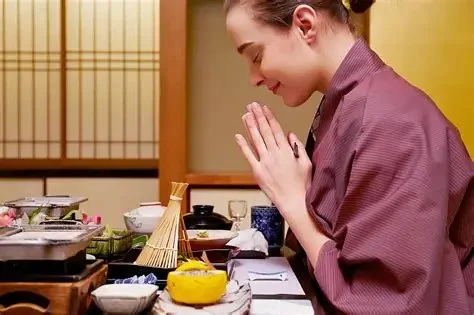
1. Understanding the Basics: Do Japanese Restaurants Have English Menus?
One of the most common questions from international travelers is: do Japanese restaurants have English menus? The answer isn’t a simple yes or no—it depends on the location, type of restaurant, and even the time of day. In urban hubs like Tokyo, Osaka, or Kyoto, many restaurants—especially those in tourist-heavy zones—do provide English menus or photo-based guides. However, venture into rural towns or local family-owned eateries and you may find only Japanese text on the menu. But don’t worry—there are smart ways to navigate that.
2. Where You’re Likely to Find English Menus in Japan
English menus are more common than ever thanks to Japan’s growing tourism industry. Chain restaurants like Ichiran Ramen, Sukiya, and Genki Sushi almost always offer English options. Upscale sushi counters and hotel restaurants typically have multilingual menus as well. For travelers flying into Tokyo’s Shinjuku or staying in areas like Ueno, Akihabara, or Namba in Osaka, English menus are practically guaranteed in major dining spots.
That said, smaller izakayas (Japanese pubs), soba houses, and ramen joints off the beaten path may stick to Japanese-only options. In these places, staff may still try to help using gestures, phone apps, or sample photos. In fact, many restaurants post plastic food models in their windows—making pointing an acceptable strategy!
3. Strategies for Ordering Without an English Menu
Even when you encounter a Japanese-only menu, you’re not helpless. Technology is your ally. Apps like Google Translate offer real-time menu translations by simply pointing your camera. Some food-specific apps like Gurunavi or Tabelog allow searches with English-language reviews and photos, and some restaurants on these platforms indicate menu availability by language.
If you’re unsure what to order, look for the daily special or the “set menu” (teishoku), which usually comes with rice, soup, and a main dish at great value. Saying just one word—like “sushi,” “gyoza,” or “katsu”—often gets the message across clearly. Japanese hospitality shines in these situations, as staff will often go the extra mile to ensure you enjoy your meal.
4. Real Stories: Travelers Navigating Japan’s Dining Scene
When British traveler Emily visited Japan in 2023, she was anxious about ordering food. At a yakitori shop in Fukuoka, there were no English menus—but she remembers how the waiter used a smile, his phone, and gestures to take her order. She ended up with an incredible meal and a great story to tell.
Another tourist from Canada, Liam, shared how he relied on food model displays in front of restaurants. “I just took a picture of the dish and pointed at it once inside. Never failed!” These stories illustrate that dining without a written English menu doesn’t have to be intimidating—it can be part of the fun.
5. Pro Tips from Locals and Frequent Travelers
Frequent travelers to Japan recommend choosing restaurants with photo menus, using cash to speed up payment, and checking for English reviews before entering. Some savvy tourists even carry a printed page with pictures of common Japanese dishes they want to try. Booking a local food tour for the first day of your trip can also build your confidence navigating the local food culture on your own.
Also, many Japanese restaurants use tablets for ordering—and these often come with a “language” button that switches the display to English. If you're uncertain where to go, try our platform name Japanese Restaurant, which curates local Japanese spots (both English and Japanese-friendly) based on your preferences.
6. Why Understanding Menu Language Options Enhances Your Experience
Feeling prepared makes any trip smoother. Knowing whether Japanese restaurants have English menus helps you decide where to go, what tools to carry, and how to interact with staff. This confidence lets you enjoy Japan’s culinary culture fully—whether it’s slurping ramen at a local shop or dining on omakase at a high-end sushi bar.
More importantly, embracing slight challenges—like ordering with gestures or using tech tools—adds to the cultural richness of your journey. The reward? A delicious experience and unforgettable memories.
 Ichi 15 Teriyaki4.0 (258 reviews)
 JUGEMU4.0 (278 reviews)
 Torisoba Sumiya4.0 (101 reviews)
 Oishii Boston4.0 (691 reviews)
 Poke Sushi4.0 (183 reviews)
 Kiku Bistro4.0 (563 reviews)
 Top Dishes You Should Order at Ai Ki Ya Japanese Restaurant
 Why Tanto Japanese Restaurant Is a Must-Try Spot for Japanese Food Lovers
 Discover the History and Flavor Behind Sake Japanese Restaurant
 How to Make the Soup at Japanese Restaurants: A Step-by-Step Guide
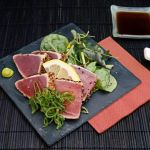 Why Umami Japanese Restaurant Is a Must-Try Spot for Japanese Food Lovers
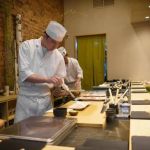 What Japanese Restaurants Exist in the USA – A Culinary Exploration