
Do Japanese Restaurants Have Forks?
- Introduction to Japanese Dining
- What Utensils Are Commonly Used in Japanese Restaurants?
- Why Japanese Restaurants Don't Typically Use Forks
- Alternatives to Forks in Japanese Dining
- How to Eat at Japanese Restaurants Without Forks
When you visit a Japanese restaurant, you may wonder about the utensils used to eat the food. Unlike many Western dining cultures where forks are the primary utensil, Japanese cuisine uses a distinct set of tools. So, do Japanese restaurants have forks? Let’s explore the answer to this question, understand the dining etiquette in Japan, and discover why forks aren’t typically used in Japanese restaurants.
Do Japanese Restaurants Have Forks?
The short answer is that most traditional Japanese restaurants do not commonly provide forks to diners. Instead, they offer chopsticks as the main utensil for eating. The use of chopsticks is deeply rooted in Japanese culture and is integral to the experience of enjoying Japanese food. However, it’s not to say that forks are entirely unavailable in every Japanese restaurant. In more casual or international-style restaurants, or when serving non-traditional dishes, you may find forks available as an option. But generally, Japanese dining emphasizes the use of chopsticks and other specialized utensils.
What Utensils Are Commonly Used in Japanese Restaurants?
In Japanese dining, there are a variety of utensils used, each suited to specific types of food. Here are some of the most common ones you’ll encounter:
1. Chopsticks
Chopsticks (hashi) are the primary utensil in Japan and are used for nearly all types of food, from sushi and sashimi to noodles and rice. The skillful use of chopsticks is an important part of Japanese dining etiquette. They are made from wood, bamboo, or plastic, and some restaurants may offer more decorative or personalized chopsticks for special occasions.
2. Soup Spoon
In addition to chopsticks, Japanese restaurants often provide a spoon, especially when serving soups or stews. This is common in dishes like ramen or miso soup, where the liquid is too hot or too thin to easily manage with chopsticks alone.
3. Sashimi Fork
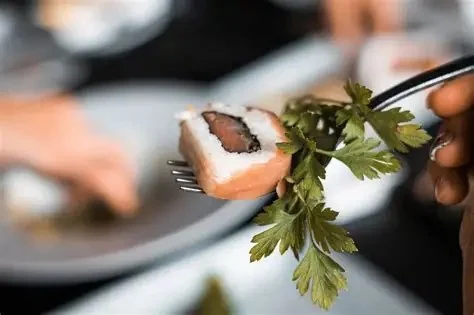
Some higher-end Japanese restaurants that serve sashimi may offer a small fork as an alternative to chopsticks for delicately cutting and consuming raw fish. However, this is more of an exception rather than the rule, as traditional sashimi is usually eaten with chopsticks.
Why Japanese Restaurants Don’t Typically Use Forks
Forks are not traditionally part of Japanese dining culture for several reasons:
1. Cultural Heritage
Chopsticks have been used in Japan for over a thousand years, deeply ingrained in the culture. They symbolize a connection between the hands and food, encouraging a more mindful eating experience. Eating with chopsticks is a cultural practice that has been passed down through generations.
2. Efficiency with Japanese Cuisine
Many traditional Japanese dishes, such as sushi, sashimi, and ramen, are designed to be eaten with chopsticks. These dishes are often served in bite-sized pieces, which makes chopsticks the most efficient and respectful tool for picking up food. Forks are generally not as efficient for the types of food served in Japanese cuisine.
3. Dining Etiquette
In Japan, using chopsticks is a matter of etiquette and respect. It’s believed that chopsticks help to bring food closer to the person eating it, fostering a connection to the food. Forks, on the other hand, are considered somewhat impersonal in the context of Japanese dining.
Alternatives to Forks in Japanese Dining
While forks may not be the standard utensil, there are plenty of alternatives that are commonly used in Japanese dining:
1. Chopsticks
As mentioned, chopsticks are the primary utensil. Their versatility and the level of precision they offer make them suitable for a variety of foods, from delicate sashimi to hearty rice dishes. Mastering the use of chopsticks can enhance your experience of Japanese food.
2. Hands
In some casual settings, Japanese diners may use their hands for certain types of food. For example, sushi rolls (especially those wrapped in seaweed) can often be picked up with your hands. It’s perfectly acceptable in many restaurants, as long as it’s done with consideration and cleanliness.
3. Specialized Utensils
In some Japanese restaurants, you may find specialized utensils like small spatulas or tongs used for specific dishes such as hot pots or sushi. These tools ensure that you can enjoy your meal without making a mess while maintaining the traditional aspects of Japanese dining.
How to Eat at Japanese Restaurants Without Forks
When dining at a Japanese restaurant, it’s important to embrace the traditional utensils and methods of eating. Here are some tips to help you make the most of your meal without a fork:
1. Practice Using Chopsticks
If you’re not already familiar with chopsticks, it’s a good idea to practice before heading to a Japanese restaurant. Many restaurants will offer disposable chopsticks, but if you prefer, you can also bring your own. Knowing how to hold and use chopsticks with ease will enhance your dining experience and allow you to enjoy Japanese food as it was meant to be eaten.
2. Don’t Rush
Japanese dining is often a slow, deliberate process. Take your time with each dish and enjoy the flavors. Since you’re not using a fork, you may need to pause and think about your next bite. This can help you be more mindful of the textures and tastes of the food.
3. Understand the Etiquette
Learning the basics of Japanese dining etiquette will help you feel more comfortable in a restaurant setting. For example, it’s considered bad form to stick chopsticks upright in a bowl of rice, as this resembles a funeral custom. Instead, always place your chopsticks across the bowl or use a chopstick rest when available.
In conclusion, while Japanese restaurants typically don’t use forks, there are plenty of alternative utensils that help enhance the traditional dining experience. By embracing chopsticks and understanding Japanese dining etiquette, you’ll gain a deeper appreciation for the culture and the food. Next time you visit a Japanese restaurant, consider skipping the fork and exploring the full dining experience.
 Ichi Japanese cuisine4.0 (164 reviews)
 Sarku Japan4.0 (249 reviews)
 Nami Sushi4.0 (634 reviews)
 Amazing Katsu4.0 (77 reviews)
 Sawa Sushi3.0 (122 reviews)
 Daruma North Sarasota - Japanese Steakhouse & Sushi Lounge4.0 (1254 reviews)
 What Soup Do They Serve at Japanese Restaurants? A Guide to Authentic Flavors
 Is There Still a Japanese Restaurant? Exploring the Cultural Revival Across the U.S.
 Why Locals Recommend Japanese Restaurants in Boston
 Why Akira Japanese Restaurant Is a Must-Try Spot for Japanese Food Lovers
 Why Locals Recommend Orchid Japanese Restaurant for Authentic and High-Quality Dining
 Why Locals Recommend Good Japanese Restaurants in NYC