
- what-soup-do-they-serve-at-japanese-restaurants
- understanding-the-cultural-role-of-soup-in-japan
- regional-varieties-and-unique-soup-offerings
- real-dining-experiences-and-surprising-discoveries
- how-to-choose-authentic-soup-in-a-japanese-restaurant
1. What Soup Do They Serve at Japanese Restaurants?
If you’ve ever dined at a Japanese restaurant, you’ve likely asked yourself: what soup do they serve at Japanese restaurants? The answer isn't always straightforward. While miso soup is the most common and widely recognized, Japanese cuisine features a diverse range of soups that reflect centuries of culinary tradition. From broth-based side dishes to full-flavored standalone meals, soup plays a vital role in Japanese dining culture.
Whether you're slurping from a ceramic bowl before your sushi platter arrives or exploring multi-course kaiseki meals, understanding these soups enhances both your appreciation and your palate. If you're curious about the broader world of authentic Japanese soups, Japanese Restaurant offers insight into ingredients, tradition, and where to find the real deal.
2. Understanding the Cultural Role of Soup in Japan
2.1 Soup as a Daily Ritual
In Japan, soup isn’t just a starter—it’s often a central component of the meal. A traditional Japanese breakfast might include rice, pickles, grilled fish, and a warm bowl of miso soup. This light but nourishing combination reflects the importance of balance in Japanese cooking.
2.2 Soup in Restaurant Settings
At many Japanese restaurants, especially sushi bars or teppanyaki spots, you’ll be offered miso soup automatically. In more formal restaurants or during a full-course meal, the soup may change depending on the season or the chef’s design for harmony and presentation.
3. Regional Varieties and Unique Soup Offerings
3.1 Miso Soup (味噌汁)
This fermented soybean paste soup is the most commonly served soup in Japanese restaurants. It’s usually made with dashi (a broth from bonito flakes and kombu) and enhanced with tofu, wakame (seaweed), and scallions. Some versions include clams or mushrooms for added depth.
3.2 Tonjiru (豚汁)
A heartier version of miso soup, tonjiru includes thinly sliced pork, root vegetables like daikon and carrot, and a richer miso blend. It’s more likely found in traditional eateries, izakayas, or during winter months.
3.3 Suimono (吸い物)
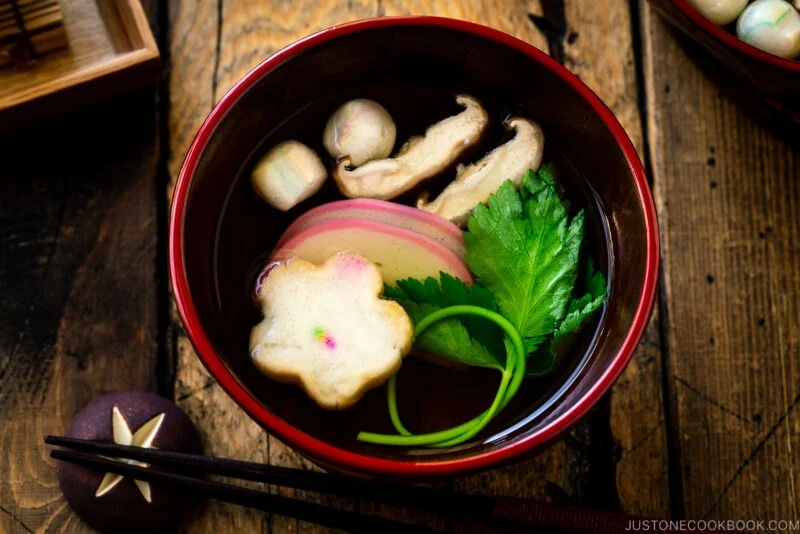
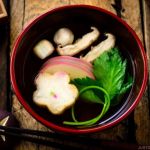
A clear broth made with dashi, suimono is lighter and more refined than miso. It’s often served in formal settings, sometimes with seasonal ingredients like yuzu peel, mushrooms, or fish cake. The delicate flavor emphasizes balance and elegance.
3.4 Ramen and Udon Broths
Though often considered full meals, ramen and udon soups deserve mention. From soy-based shoyu ramen to rich tonkotsu pork broth or thick curry udon, these dishes highlight regional differences and evolving Japanese taste. Some restaurants specialize entirely in these bowls, serving soups that rival gourmet entrees in flavor complexity.
4. Real Dining Experiences and Surprising Discoveries
During a recent trip to Kyoto, traveler Marcus T. visited a small ryokan where he was served suimono with seasonal bamboo shoots and a drop of yuzu. “It was so light I almost didn’t notice it at first,” he says, “but the aroma stayed with me for hours. It changed how I thought about soup.”
Meanwhile, in Los Angeles, food vlogger Keiko Mori filmed her experience at a sushi restaurant where clam miso soup was served with the shell intact. Her TikTok video went viral with comments like, “I thought they only served the basic miso. This is next-level.”
These stories reveal that if you know what to look for—and where to look—Japanese soup can be a highlight rather than just an afterthought. For diners seeking authentic variety, Japanese Restaurant curates top places that offer traditional and lesser-known soups alike.
5. How to Choose Authentic Soup in a Japanese Restaurant
5.1 Read the Menu Closely
While miso soup may be the default, many Japanese restaurants offer alternatives if you look deeper into the menu. Items listed under “osumashi” or “nabemono” hint at more adventurous options.
5.2 Talk to the Staff
Servers at quality Japanese establishments are usually happy to explain what soup they’re serving that day. Seasonal ingredients often influence the broth, and asking questions shows respect for the cuisine.
5.3 Look for Regional Clues
If a restaurant specializes in Hokkaido-style cuisine, you might find butter miso ramen. A Kyushu-based menu might include tonkotsu broth. Knowing regional differences helps you order like a local.
Ultimately, when you're wondering what soup do they serve at Japanese restaurants, the real answer is: more than you think. Soup in Japan is both a comfort and an art form, shaped by centuries of culinary philosophy. Whether you’re discovering something new or savoring the familiar, the right bowl can elevate your meal and deepen your connection to the culture. For guidance on authentic menus and top-rated venues, explore Japanese Restaurant—your window into the true taste of Japan.
 Kobe Teppan & Sushi4.0 (1536 reviews)
 Kanji Noodle Bar3.0 (71 reviews)
 TEN Sushi + Cocktail Bar4.0 (518 reviews)
 Ramen Ryoma Hillcrest4.0 (436 reviews)
 Katsu Ramen4.0 (3658 reviews)
 M Sushi4.0 (1497 reviews)
 Top Dishes You Should Order at Japanese BBQ Restaurant
 A-Tan's Japanese Restaurant San Marcos TX Menu Highlights and Dining Guide
 Top Dishes You Should Order at Nami Japanese Restaurant
 Why Locals Recommend Japanese Curry Restaurants
 What Soup Do They Serve at Japanese Restaurants? A Guide to Authentic Flavors
 The History and Flavor Behind Best Japanese Restaurants Near Me