
- 3-Authentic-Japanese-Dining-Experiences-Without-Fortune-Cookies
- 4-Stories-and-Cultural-Insights-From-Japanese-Restaurants
- 5-Discover-More-at-Japanese-Restaurant-for-Authentic-Japanese-Cuisine
1. Do Japanese Restaurants Have Fortune Cookies? Fortune Cookies in Japanese Dining
Many diners wonder do Japanese restaurants have fortune cookies, especially since fortune cookies are often associated with Asian cuisine in Western countries. The answer might surprise you: traditional Japanese restaurants do not serve fortune cookies. In Japan, fortune cookies are largely unknown and are not part of the dining culture.
Fortune cookies are more closely tied to Chinese-American cuisine and are generally not offered in authentic Japanese dining establishments. Instead, Japanese restaurants focus on genuine culinary traditions, emphasizing seasonal ingredients, presentation, and hospitality.
2. Origin of Fortune Cookies and Common Misconceptions
The popular belief that fortune cookies are a traditional Asian custom is actually a misconception. Historical research indicates fortune cookies originated in California, influenced by Japanese crackers called tsujiura senbei, but were popularized by Chinese immigrant communities in the United States.
This explains why fortune cookies appear mostly in Chinese restaurants abroad rather than in Japanese ones. Understanding this origin helps clarify why Japanese restaurants maintain a different approach to the dining experience, focusing on authenticity rather than novelty treats.
3. Authentic Japanese Dining Experiences Without Fortune Cookies
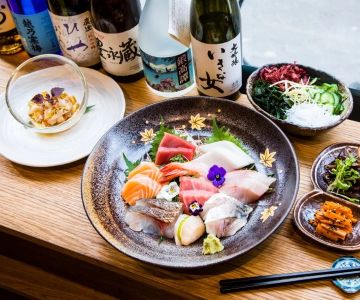
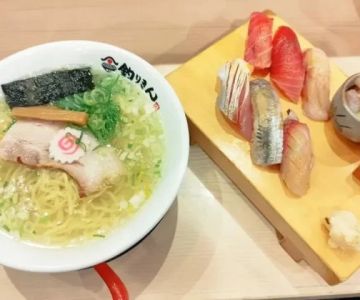
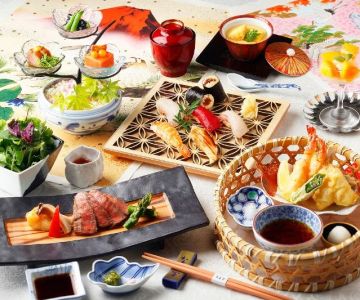
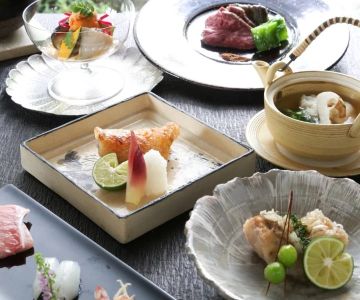
Authentic Japanese restaurants create memorable experiences through carefully crafted dishes such as sushi, ramen, tempura, and kaiseki. Instead of fortune cookies, meals often conclude with traditional sweets like mochi or yokan, or simply a warm cup of green tea.
The absence of fortune cookies highlights the Japanese commitment to preserving culinary heritage and cultural integrity. Patrons looking for an authentic Japanese experience will find it centered on balance, seasonality, and respect for ingredients rather than gimmicks.
4. Stories and Cultural Insights From Japanese Restaurants
A visitor to Tokyo once shared their surprise when expecting fortune cookies after a meal abroad, only to discover that the tradition didn’t exist in local Japanese restaurants. Instead, they were introduced to the ritual of enjoying a peaceful cup of matcha tea or a small seasonal sweet, which offered a more reflective and culturally rich end to the meal.
This story is a reminder of how cultural expectations shape dining experiences and the importance of embracing authenticity. Japanese restaurants focus on the harmony of the meal as a whole, creating lasting memories beyond a simple cookie fortune.
5. Discover More at Japanese Restaurant for Authentic Japanese Cuisine
If you want to explore genuine Japanese culinary traditions and learn more about what makes Japanese dining unique, Japanese Restaurant is your trusted resource. We provide detailed guides, authentic recipes, and recommendations for restaurants that prioritize cultural authenticity and quality.
Visit Japanese Restaurant to experience true Japanese flavors and customs, far beyond the myths and misconceptions surrounding fortune cookies.
 Hashigo Sushi4.0 (283 reviews)
 FuGaKyu Japanese Cuisine4.0 (1434 reviews)
 Pepper Lunch4.0 (542 reviews)
 Mura Shabu Shabu3.0 (7 reviews)
 Osaka Ramen and Sushi4.0 (297 reviews)
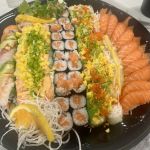 Koja Sushi4.0 (496 reviews)
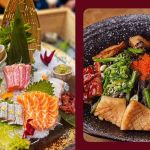 Why Restaurant Japanese Is a Must-Try Spot for Japanese Food Lovers
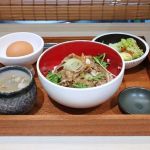 Don Japanese Restaurant Auckland: Discover Authentic Donburi Flavors
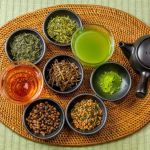 What Makes Green Tea Japanese Restaurant Stand Out Among Japanese Restaurants
 A Aki Japanese Restaurant: Where Tradition Meets Modern Japanese Dining
 Why Locals Recommend Kru Japanese Restaurant: A Hidden Gem for Authentic Japanese Cuisine
 What to Eat at a Japanese Restaurant Besides Sushi