
1. Presence of Menus in Japanese Restaurants
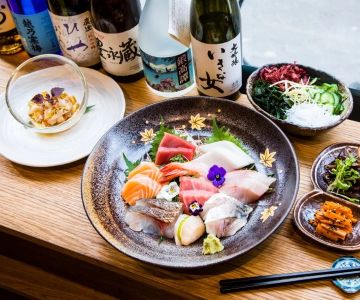
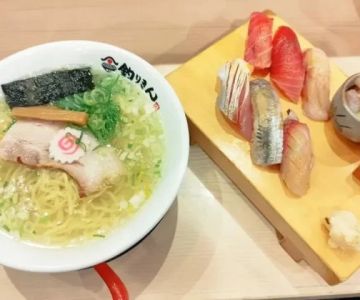
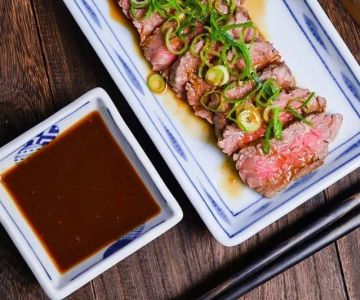
One common question visitors ask is, “Do Japanese restaurants have menus?” The answer is yes, most Japanese restaurants do have menus, but their style and presentation can vary widely depending on the type and location of the establishment. Menus serve as the guide for diners to explore the variety of dishes available, from sushi and tempura to ramen and grilled items.
1.1 Traditional vs Modern Menus
In traditional Japanese restaurants, menus might be simple, handwritten, or even verbally presented, reflecting a focus on seasonal and fresh ingredients. In contrast, modern or tourist-friendly restaurants often offer printed menus with pictures and multiple language options to assist non-Japanese speakers.
2. Types of Menus Found in Japanese Restaurants
Japanese restaurants commonly use several types of menus:
2.1 À la Carte Menus
These menus list individual dishes, allowing diners to choose exactly what they want. Sushi bars and izakayas frequently use this style.
2.2 Set Menus (Teishoku)
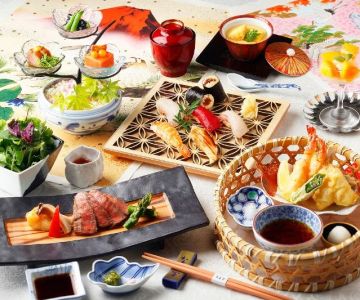
Set menus offer a combination of dishes such as a main course, side dishes, soup, and rice, providing a balanced meal at a fixed price.
2.3 Seasonal or Daily Specials
Many restaurants highlight seasonal ingredients or daily catches on separate menus or boards, emphasizing freshness and variety.
3. How to Navigate a Japanese Restaurant Menu
Understanding how to read and order from a Japanese menu can enhance your dining experience.
3.1 Look for Pictures and Descriptions
Menus with pictures can be a great help, especially when the language is unfamiliar. Descriptions often explain key ingredients or preparation methods.
3.2 Ask Staff for Recommendations
Don’t hesitate to ask servers for their recommendations or explanations; staff in authentic Japanese restaurants are usually eager to assist.
4. Real Life Experience Using Menus in Japanese Restaurants
Emma, a first-time visitor to Tokyo, recalls feeling overwhelmed by the handwritten menu at a small sushi restaurant. However, with the help of the chef’s friendly guidance and some basic Japanese phrases, she was able to order confidently and enjoy an unforgettable meal. Her story highlights how menus, combined with friendly service, make Japanese dining accessible and enjoyable.
5. Tips for First-Time Diners in Japanese Restaurants
For those new to Japanese dining, these tips can help:
5.1 Learn Basic Food Terms
Familiarity with words like sushi, tempura, and ramen makes ordering smoother.
5.2 Use Visual Aids
Many restaurants offer picture menus or digital tablets for easy selection.
5.3 Be Patient and Open
Embrace the experience, and don’t hesitate to ask questions or try new dishes.
6. Where to Find Authentic Japanese Restaurant Services
If you want to explore authentic Japanese menus and dining experiences, our website Japanese Restaurant offers expert recommendations. From traditional eateries to modern fusion spots, Japanese Restaurant connects you with the best places to enjoy genuine cuisine.
Understanding that Japanese restaurants do have menus—and knowing how to use them—opens the door to a rich culinary journey. With diverse offerings and attentive service, dining in Japan is as much about exploration as it is about savoring delicious food.
 MJ Menlo Park INC4.0 (43 reviews)
 Kura Revolving Sushi Bar4.0 (67 reviews)
 Kozo Sushi4.0 (139 reviews)
 Midorie Miami4.0 (122 reviews)
 Yoma Cafe - Japanese Bento Box, Sushi rolls, Sandwiches, Snacks and boba Drinks4.0 (253 reviews)
 Sushi Zo4.0 (121 reviews)
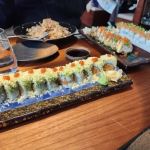 What Makes Minamoto Japanese Restaurant Stand Out Among Japanese Restaurants
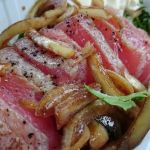 Don Don Japanese Restaurant Sukhumvit: Authentic Flavor in Bangkok
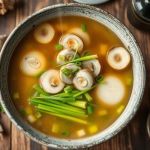 How to Make the Soup Like at Japanese Restaurants
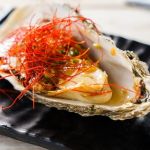 An Insider’s Review of Ai Ki Ya Japanese Restaurant
 How to Say One Person in a Japanese Restaurant Like a Local
 A Foodie’s Experience at Nikko Japanese Restaurant