
- understanding-the-flavor-profile-of-japanese-restaurant-soups
- essential-ingredients-for-authentic-japanese-restaurant-soups
- step-by-step-how-to-make-the-soup-like-at-japanese-restaurants
- personal-tips-to-enhance-authenticity-at-home
- common-mistakes-when-making-japanese-style-soups
- why-homemade-soups-can-be-better-than-store-bought
1. Understanding the Flavor Profile of Japanese Restaurant Soups
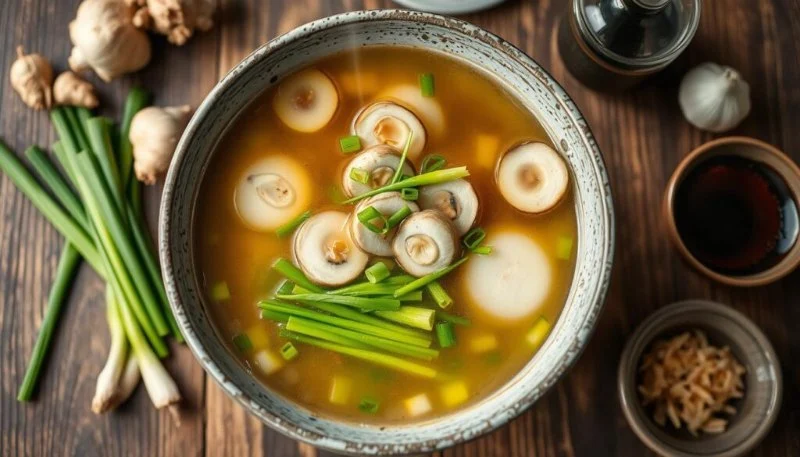
When you think about how to make the soup like at Japanese restaurants, you're really asking how to capture the umami-rich, delicate, yet savory balance that defines Japanese cuisine. Unlike Western soups that often rely heavily on cream or meat stock, Japanese soups like miso, clear broth (osuimono), and ramen base their flavor on ingredients like dashi, fermented soybean paste, or slow-brewed bones and seaweed. The result is a comforting, layered taste that’s light yet deeply satisfying.
2. Essential Ingredients for Authentic Japanese Restaurant Soups
2.1. Dashi – The Heart of Japanese Soup
Dashi is the foundation of many Japanese soups. Made from kombu (kelp) and katsuobushi (bonito flakes), this broth brings out natural umami. It only takes a few minutes to make but sets the stage for an authentic experience.
2.2. Miso Paste
Miso soup is a classic. To recreate it at home, you’ll need fermented soybean paste—available in white (mild), yellow (medium), and red (strong) varieties. Each version adds its own personality to the soup.
2.3. Add-ins: Tofu, Wakame, and Scallions
Japanese soups are minimalistic but purposeful. Soft tofu, rehydrated wakame seaweed, and sliced scallions are all you need to turn broth into a complete dish.
3. Step-by-Step: How to Make the Soup Like at Japanese Restaurants
3.1. Making Dashi from Scratch
Start by soaking a 4-inch piece of kombu in 4 cups of water for at least 30 minutes. Heat the mixture gently but don’t let it boil. Just before it begins to simmer, remove the kombu, then add a handful of katsuobushi. Let it simmer for 1-2 minutes, then strain. You now have fresh, flavorful dashi.
3.2. Adding Miso
Reduce the heat and stir in 2–3 tablespoons of miso paste. Use a small strainer or ladle to dissolve it evenly. Avoid boiling the miso—high heat can kill the aroma and probiotics.
3.3. Final Touches
Gently add in tofu cubes, rehydrated wakame, and sliced green onions. Let everything warm through for 1–2 minutes. Serve immediately.
4. Personal Tips to Enhance Authenticity at Home
My first time making miso soup at home, I was surprised by how fast it came together—under 15 minutes, and it tasted incredibly close to what I’d had at a Japanese restaurant in San Francisco. One game-changer was investing in good quality miso and real bonito flakes. It’s a small detail, but it makes all the difference. If you want to explore deeper flavors, consider using shiitake mushrooms in your dashi or experimenting with smoked tofu as a twist.
And for those who feel unsure about sourcing ingredients, visiting Japanese Restaurant online can help you find authentic products and curated sets designed for home cooks.
5. Common Mistakes When Making Japanese-Style Soups
5.1. Overboiling Miso
This is a common slip. Boiling miso can lead to a harsh flavor and ruin the texture. Always add miso at the end of the cooking process, over low heat.
5.2. Using Plain Water Instead of Dashi
Skipping dashi might save a few minutes, but the resulting soup will be flat. Even instant dashi is preferable over plain water when you’re learning how to make the soup like at Japanese restaurants.
5.3. Too Many Ingredients
Japanese soups are meant to be simple. Don’t overload with vegetables or proteins. Less is more when your broth is balanced and flavorful.
6. Why Homemade Soups Can Be Better Than Store-Bought
While store-bought miso soup or pre-mixed ramen broth can be convenient, they often lack the complexity and freshness of homemade versions. When you make it yourself, you control the sodium, the quality of ingredients, and the flavor intensity. Plus, it becomes more than a meal—it’s an experience. Just like the slow craft of sushi or ramen, learning how to make the soup like at Japanese restaurants can become a soothing ritual of its own.
To make the process easier and more fun, check out ingredient kits and guidance from Japanese Restaurant—a trusted resource for those who want to bring restaurant-level flavor to their own kitchen.



 OKA Sushi & Thai, Ramen4.0 (434 reviews)
 Gyu-kaku Japanese BBQ4.0 (1911 reviews)
 Tokyo Grill4.0 (872 reviews)
 Nori Omaha4.0 (46 reviews)
 Nori Ramen & Poke bowl4.0 (326 reviews)
 Mikan Japanese Restaurant4.0 (806 reviews)
 Why Locals Recommend Japanese Restaurant Bellevue – A Local Favorite
 The History and Flavor Behind Sapporo Japanese Restaurant
 How to Sit on the Floor at a Japanese Restaurant: Etiquette & Comfort Tips
 Exploring the Menu at Gyotaku Japanese Restaurant: A Culinary Journey
 How to Say "How Many People" in a Japanese Restaurant
 htmlCopy codeWhy Locals Recommend Izumi Japanese Restaurant