
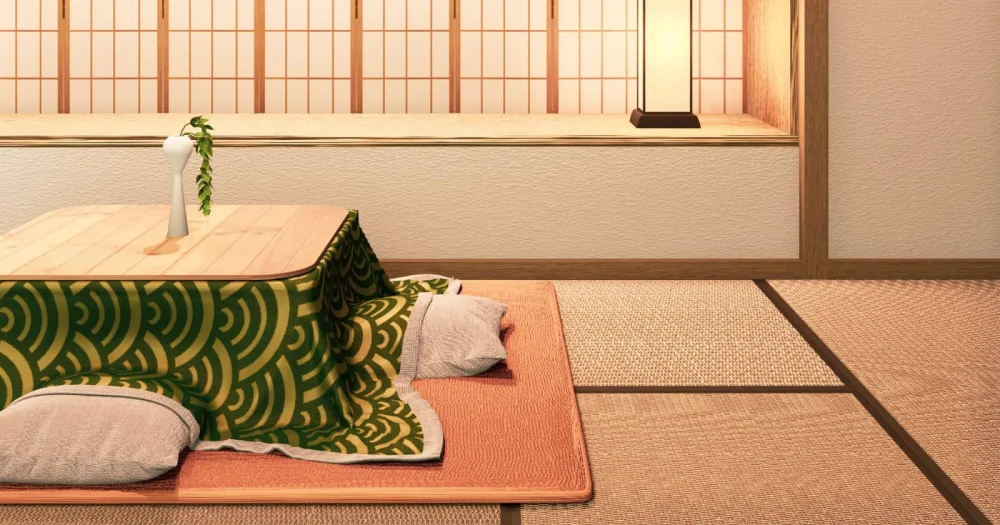
- how-to-sit-on-floor-japanese-restaurant - Mastering Traditional Japanese Floor Seating
- understanding-the-japanese-dining-etiquette - Understanding the Rules Before You Sit
- types-of-floor-seating-in-japanese-restaurants - Types of Traditional Floor Seating in Japan
- how-to-sit-politely-and-comfortably - How to Sit Politely and Comfortably on the Floor
- what-to-wear-and-bring-for-floor-seating - What to Wear and Bring for Floor Seating
- real-experience-first-time-dining-in-a-japanese-floor-restaurant - Real Experience: My First Time Dining in a Japanese Floor Restaurant
- tips-for-visitors-to-japanese-restaurant - Practical Tips for Visitors to Japanese Restaurant
1. Mastering Traditional Japanese Floor Seating
If you're planning to dine in a traditional setting, learning how to sit on the floor at a Japanese restaurant is essential. Known for its refined etiquette and cultural symbolism, Japanese floor seating can feel like a mini cultural ceremony. While the experience may feel unfamiliar at first, with a few tips and context, it becomes an enriching part of the dining journey.
2. Understanding the Rules Before You Sit
Before you even take your seat, it's important to understand the etiquette. In Japan, sitting on the floor is tied to respect and harmony. When entering the dining area, remove your shoes without fail — this is non-negotiable. Bowing slightly as you approach the table is a sign of acknowledgment to your fellow diners and the hosts.
Always wait to be invited to sit. In formal meals, there is often a seating order based on hierarchy. And remember: don’t place bags or personal belongings on the tatami. Use the designated compartments or leave them with staff if available.
3. Types of Traditional Floor Seating in Japan
There are generally three common floor seating styles in a Japanese restaurant:
3.1 Seiza Style
This is the most traditional form where you kneel with your legs folded under your thighs and your back straight. Seiza can be challenging for beginners as it may become uncomfortable after a short while, but it reflects formality and respect.
3.2 Agura Style
Often used by men or in more casual settings, this cross-legged position is more comfortable and informal. However, it’s best to avoid this style during formal meals or business dinners unless others around you are doing the same.
3.3 Horigotatsu Style
Modern adaptations like horigotatsu offer the traditional look with added comfort. These tables have recessed floor space beneath, allowing you to sit with your legs hanging naturally — ideal for foreign visitors. Many venues listed at Japanese Restaurant feature this style for customer comfort.
4. How to Sit Politely and Comfortably on the Floor
If you're not used to floor seating, here's how to blend in gracefully:
4.1 Start in Seiza, Then Shift
Begin by sitting in the seiza position, especially during greetings or the start of a meal. As the meal progresses, it’s acceptable to subtly shift to a more relaxed position, as long as it doesn’t draw attention or appear lazy.
4.2 Posture Matters
Whether you’re kneeling or sitting cross-legged, maintain an upright posture. Slouching or leaning back on your hands is considered impolite in many situations.
4.3 Dealing with Discomfort
Numb legs? It happens. To avoid this, try alternating positions subtly under the table. You can also use the zabuton (cushion) to redistribute pressure. Some seasoned diners even lean slightly to the side to relieve tension — a subtle trick that keeps you comfortable without breaking etiquette.
5. What to Wear and Bring for Floor Seating
Clothing matters when it comes to sitting on the floor. Avoid tight jeans or skirts, which can restrict your movement. Loose-fitting pants or long skirts are ideal.
Bring or wear socks, especially if you feel self-conscious about bare feet. In some restaurants, socks with holes or overly flashy designs may be frowned upon.
6. Real Experience: My First Time Dining in a Japanese Floor Restaurant
My first encounter with floor seating was in Kyoto. I remember nervously mimicking other diners’ posture, trying not to break any rules. After a while, the tatami's scent, the warmth of the tea, and the quiet clinking of chopsticks made me forget about my legs entirely.
That night, I chose a small establishment listed on Japanese Restaurant, which offered horigotatsu tables. The staff kindly explained the rules, and the chef even complimented me for trying seiza. These small gestures made the whole experience feel welcoming and memorable.
7. Practical Tips for Visitors to Japanese Restaurant
- If you're unsure, choose a restaurant with horigotatsu options — many listed on Japanese Restaurant specify their seating style.
- Always follow what locals do. If the group shifts to a relaxed posture, feel free to do the same.
- Ask the staff if you feel discomfort — they might offer you an extra cushion or allow alternative seating.
- Respect the environment: don't stretch your legs out toward others, and avoid resting feet or elbows on the table.
Traditional Japanese floor seating isn’t just about posture — it’s about participating in a cultural experience. Whether you're visiting Tokyo or trying an authentic restaurant abroad, understanding these nuances can transform a simple meal into a meaningful cultural memory.
 OKA Sushi & Thai, Ramen4.0 (434 reviews)
 Gyu-kaku Japanese BBQ4.0 (1911 reviews)
 Tokyo Grill4.0 (872 reviews)
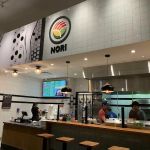 Nori Omaha4.0 (46 reviews)
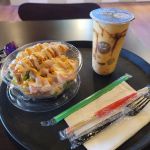 Nori Ramen & Poke bowl4.0 (326 reviews)
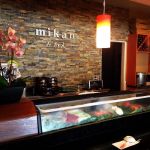 Mikan Japanese Restaurant4.0 (806 reviews)
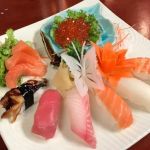 Why Locals Recommend Japanese Restaurant Bellevue – A Local Favorite
 The History and Flavor Behind Sapporo Japanese Restaurant
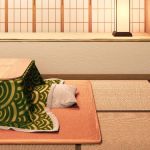 How to Sit on the Floor at a Japanese Restaurant: Etiquette & Comfort Tips
 Exploring the Menu at Gyotaku Japanese Restaurant: A Culinary Journey
 How to Say "How Many People" in a Japanese Restaurant
 htmlCopy codeWhy Locals Recommend Izumi Japanese Restaurant