- Greeting and Asking How Many People
- Responding with Your Party Size
- Understanding Japanese Counters
- Practical Tips for Restaurant Visits
1. Greeting and Asking How Many People
When entering a Japanese restaurant, it's customary for the staff to greet you with いらっしゃいませ (Irasshaimase), meaning "Welcome." Following this, they may inquire about the number of people in your party by asking:
何名様ですか? (Nan-mei sama desu ka?) – "How many people are in your party?"
This is a polite way of asking for the number of guests. The term 名様 (mei-sama) is a respectful counter for people, commonly used in service settings.
2. Responding with Your Party Size
To reply, state the number of people followed by です (desu). Here are common expressions:
- 一人です (Hitori desu) – "One person."
- 二人です (Futari desu) – "Two people."
- 三人です (San-nin desu) – "Three people."
- 四人です (Yon-nin desu) – "Four people."
- 五人です (Go-nin desu) – "Five people."
Note that "hitori" and "futari" are unique forms for one and two people, respectively. From three onwards, the pattern is the number plus "nin."
3. Understanding Japanese Counters
Japanese uses specific counters for different types of objects and people. For counting people, the counter is 人 (nin). However, as mentioned, "one person" and "two people" have irregular forms:
- 一人 (Hitori) – One person
- 二人 (Futari) – Two people
- 三人 (San-nin) – Three people
- 四人 (Yon-nin) – Four people
- 五人 (Go-nin) – Five people
- 六人 (Roku-nin) – Six people
- 七人 (Nana-nin) – Seven people
- 八人 (Hachi-nin) – Eight people
- 九人 (Kyuu-nin) – Nine people
- 十人 (Juu-nin) – Ten people
Understanding these counters will help you communicate your party size effectively in various situations, not just in restaurants.
4. Practical Tips for Restaurant Visits
Here are some additional phrases and tips to enhance your dining experience in Japan:
- すみません (Sumimasen) – "Excuse me." Use this to get the attention of the staff.
- メニューをお願いします (Menyuu o onegaishimasu) – "Menu, please."
- 英語のメニューはありますか? (Eigo no menyuu wa arimasu ka?) – "Do you have an English menu?"
- おすすめは何ですか? (Osusume wa nan desu ka?) – "What do you recommend?"
- これをください (Kore o kudasai) – "I'll have this, please." (Use while pointing at the menu item.)
- お会計をお願いします (O-kaikei o onegaishimasu) – "Check, please."
- ごちそうさまでした (Gochisousama deshita) – A phrase said after finishing a meal, meaning "Thank you for the meal."
Being familiar with these phrases will make your dining experience smoother and more enjoyable. Additionally, if you're looking for authentic Japanese dining experiences or need assistance with reservations, feel free to explore our services at Japanese Restaurant.
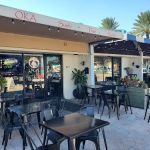 OKA Sushi & Thai, Ramen4.0 (434 reviews)
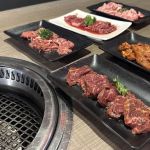 Gyu-kaku Japanese BBQ4.0 (1911 reviews)
 Tokyo Grill4.0 (872 reviews)
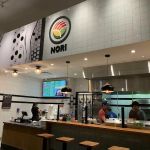 Nori Omaha4.0 (46 reviews)
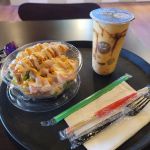 Nori Ramen & Poke bowl4.0 (326 reviews)
 Mikan Japanese Restaurant4.0 (806 reviews)
 Why Locals Recommend Japanese Restaurant Bellevue – A Local Favorite
 The History and Flavor Behind Sapporo Japanese Restaurant
 How to Sit on the Floor at a Japanese Restaurant: Etiquette & Comfort Tips
 Exploring the Menu at Gyotaku Japanese Restaurant: A Culinary Journey
 How to Say "How Many People" in a Japanese Restaurant
 htmlCopy codeWhy Locals Recommend Izumi Japanese Restaurant