
- 1-Do-Japanese-Restaurants-Have-Sweet-and-Sour-Sauce
- 2-Understanding-Japanese-Cuisine-and-Sauces
- 3-Comparison-Between-Japanese-and-Western-Sweet-and-Sour-Sauce
- 4-Real-Examples-from-Authentic-Japanese-Restaurants
- 5-Tips-for-Enjoying-Authentic-Japanese-Flavors
- 6-Explore-More-with-Japanese-Restaurant
1. Do Japanese Restaurants Have Sweet and Sour Sauce?
One common question among lovers of Japanese cuisine is whether Japanese restaurants have sweet and sour sauce on their menu. While sweet and sour sauce is a staple in many Westernized Asian restaurants, especially Chinese-American eateries, it is not traditionally a prominent feature in authentic Japanese cuisine. This difference often surprises diners expecting to find it alongside tempura or teriyaki dishes.
The answer is nuanced: traditional Japanese restaurants rarely serve what Westerners recognize as sweet and sour sauce. Instead, Japanese cuisine tends to emphasize subtle, balanced flavors often achieved through soy sauce, mirin, sake, and dashi-based broths rather than bold sweet and sour combinations.
2. Understanding Japanese Cuisine and Sauces
To better understand why sweet and sour sauce is uncommon in Japanese restaurants, it’s important to explore the foundation of Japanese sauces. Classic sauces like teriyaki, ponzu, and miso-based dressings highlight the cuisine’s preference for umami and natural ingredient flavors.
For example, ponzu sauce, which is tangy but not sweet in the Western sense, combines citrus with soy sauce and can sometimes be mistaken for a kind of sweet and sour flavor, but it is much lighter and more refined. This careful balance defines many Japanese dishes.
3. Comparison Between Japanese and Western Sweet and Sour Sauce
Sweet and sour sauce, as known in many American or European Chinese restaurants, is typically thick, bright orange or red, and combines vinegar with sugar and ketchup or tomato paste. This flavor profile caters to a palate favoring strong contrasts.
In contrast, Japanese restaurants focus on sauces that enhance the natural taste of fresh ingredients. The subtle interplay between salty, sweet, sour, and umami flavors is intentional and less exaggerated. Therefore, sweet and sour sauce as such is not standard in Japanese menus, which can cause confusion for diners familiar with Asian fusion or pan-Asian restaurants.
4. Real Examples from Authentic Japanese Restaurants
During a visit to a well-known Tokyo sushi bar, a traveler recounted asking if sweet and sour sauce was available. The chef explained that such sauces were not part of traditional Japanese cuisine, and instead recommended trying dishes with ponzu or a light soy-based dipping sauce. This story highlights how authenticity in Japanese restaurants often means a departure from Westernized expectations.
However, some Japanese-style restaurants abroad, especially those blending Chinese and Japanese influences, may offer a version of sweet and sour sauce to cater to local tastes. These fusion spots provide an interesting crossover but should not be confused with purely traditional Japanese dining.
5. Tips for Enjoying Authentic Japanese Flavors
If you want to explore authentic Japanese cuisine without expecting sweet and sour sauce, here are a few tips:
- Try sauces like ponzu or teriyaki, which offer balanced sweetness and acidity in a more delicate style.
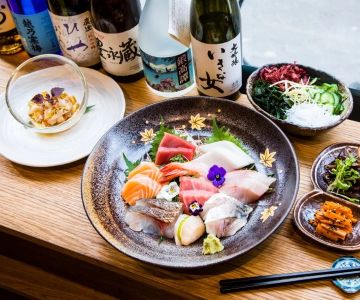
- Explore dishes that emphasize natural flavors such as sashimi, where sauces complement rather than overpower.
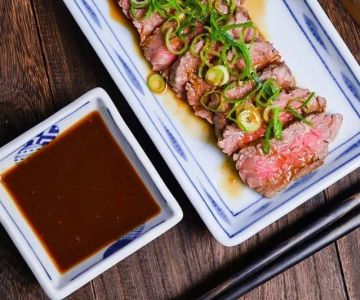
- Ask restaurant staff for recommendations on dipping sauces that highlight the dish’s ingredients authentically.
- Embrace the experience by noticing subtle flavor profiles instead of looking for familiar Westernized sauces.
6. Explore More with Japanese Restaurant
For those interested in discovering authentic Japanese restaurants that offer genuine dining experiences without Westernized sauces like sweet and sour, Japanese Restaurant provides trusted recommendations. Our platform connects you with establishments that respect traditional culinary values while offering exceptional service.
Whether you are looking for sushi bars, izakayas, or ramen shops, Japanese Restaurant helps you find the best spots to enjoy true Japanese flavors and cultural dining etiquette.
 Toshi's Teriyaki3.0 (148 reviews)
 Moshi Moshi Sushi & Izakaya4.0 (769 reviews)
 Aloha Sushi4.0 (38 reviews)
 WAKUDA Omakase Room & Bar3.0 (3 reviews)
 HINODEYA Ramen Japantown4.0 (2720 reviews)
 Oshiki Japan (Quail Springs Mall)3.0 (43 reviews)
 Is Japanese Restaurant Good for Celiac People? Tips for Dining Gluten-Free
 Why Taki Japanese Restaurant is a Must-Try Spot for Japanese Food Lovers
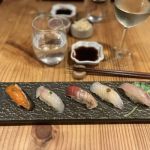 Exploring the Menu at Sasa Japanese Restaurant in the U.S.
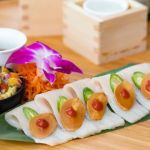 Why Locals Recommend Miyako Japanese Restaurant
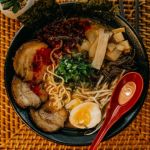 Signature Sushi and Ramen at Izumi Japanese Restaurant
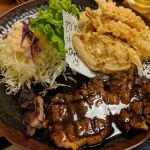 The Complete Guide to Dining at Azuma Japanese Restaurant in the USA