
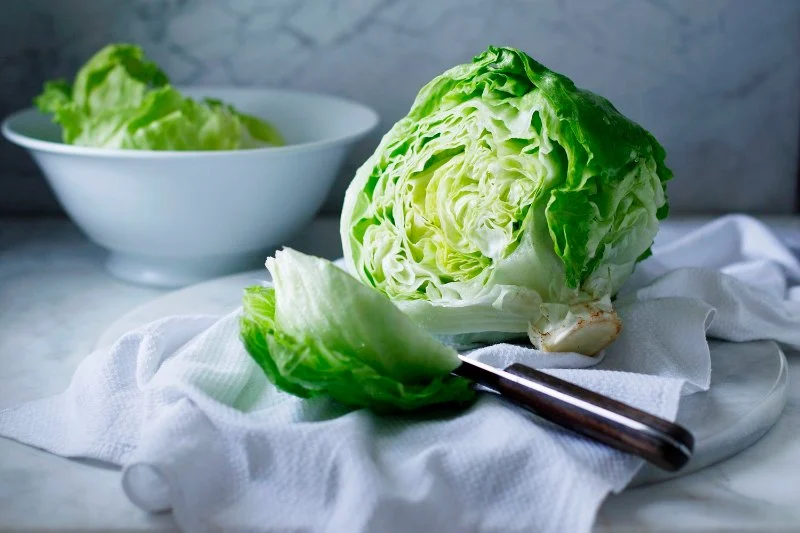
 Do Japanese Restaurants Use Iceberg Lettuce? Discover Common Ingredients and AlternativesJapanese restaurants, iceberg lettuce, Japanese cuisine ingredients, sushi ingredients, lettuce in Japanese dishes, types of lettuce in Japanese restaurantsExplore whether iceberg lettuce is commonly used in Japanese restaurants and learn about the different types of lettuce and ingredients found in Japanese cuisine. Discover how traditional Japanese dishes incorporate fresh ingredients.
- 1. Introduction
- 2. Iceberg Lettuce in Japanese Cuisine
- 3. Popular Lettuce Alternatives in Japanese Dishes
- 4. Why Iceberg Lettuce May Not Be Ideal for Japanese Dishes
- 5. Freshness and Ingredient Quality in Japanese Restaurants
- 6. Conclusion
1. Introduction
When dining at a Japanese restaurant, many wonder about the ingredients used in popular dishes. One common question that often arises is whether iceberg lettuce is used in Japanese cuisine. While iceberg lettuce is widely available and used in many cuisines around the world, it isn’t typically a prominent feature in traditional Japanese dishes. In this article, we’ll explore why iceberg lettuce may not be a common ingredient in Japanese food, what types of lettuce are preferred, and how freshness plays a crucial role in ingredient selection.
2. Iceberg Lettuce in Japanese Cuisine
Iceberg lettuce is a type of lettuce known for its crisp texture and mild flavor. While it is commonly used in Western salads and sandwiches, it isn’t frequently featured in traditional Japanese dishes. Japanese cuisine tends to favor lighter, more delicate types of lettuce with distinct textures and flavors that complement the cuisine’s natural tastes.
2.1 Common Uses of Lettuce in Japanese Restaurants
In Japan, lettuce is often used as a garnish or in salads, but it’s typically not the star ingredient. When lettuce is included, it is often in the form of more tender varieties like shungiku (edible chrysanthemum leaves), mizuna, or even nori (seaweed) used in place of lettuce in certain dishes. Iceberg lettuce, with its thicker, crunchier texture, doesn’t blend well with the subtlety of traditional Japanese flavor profiles.
2.2 Are Iceberg Lettuce and Japanese Food Compatible?
While iceberg lettuce is certainly not unheard of in Japanese restaurants—some Western-style Japanese fusion restaurants may use it in salads or wraps—it isn’t commonly found in traditional Japanese dishes like sushi, sashimi, or ramen. The flavors and textures of iceberg lettuce may overpower or clash with the balance sought in Japanese cuisine.
3. Popular Lettuce Alternatives in Japanese Dishes
In traditional Japanese cooking, various types of greens and vegetables are preferred over iceberg lettuce due to their unique textures and flavors. Here are a few popular lettuce alternatives:
3.1 Shungiku (Chrysanthemum Leaves)
Shungiku, or edible chrysanthemum leaves, are a popular leafy green used in Japanese dishes. Their slightly peppery and aromatic flavor pairs well with sushi and soups, making them an excellent alternative to iceberg lettuce.
3.2 Mizuna
Mizuna is another common leafy green used in Japan. Its mild flavor and delicate, tender texture make it ideal for salads and garnishes in a variety of Japanese dishes, including soba and udon noodles.
3.3 Nori and Seaweed
In place of leafy greens, nori (dried seaweed) is frequently used in Japanese cuisine. Its umami flavor and versatility make it a preferred option in dishes like sushi rolls, miso soup, and rice bowls. Seaweed can add a touch of freshness and texture without the heavy crunch of iceberg lettuce.
4. Why Iceberg Lettuce May Not Be Ideal for Japanese Dishes
While iceberg lettuce is a great choice for certain Western dishes, it might not be the best fit for traditional Japanese cuisine. Here are some reasons why iceberg lettuce is rarely used in Japan:
4.1 Texture and Flavor
The crunchy, somewhat bland texture of iceberg lettuce doesn’t harmonize well with the delicate, umami-rich flavors found in Japanese dishes. Japanese cuisine often seeks a balance of textures—crispy, tender, chewy, and soft—which iceberg lettuce may disrupt with its overwhelming crunch.
4.2 Overpowering the Subtlety of Japanese Flavors
Japanese food is known for its subtlety and balance of flavors. Iceberg lettuce, being relatively neutral but bulky, can overshadow other ingredients in dishes like sushi and ramen, where the focus is more on the fresh, delicate ingredients rather than crunchy lettuce.
4.3 Availability and Cost
Iceberg lettuce is not a staple in Japan. Instead, locally grown greens like mizuna, shungiku, and nori are more widely available and often cost less. This makes them more suitable for use in everyday Japanese dishes.
5. Freshness and Ingredient Quality in Japanese Restaurants
Freshness is a key component in Japanese culinary philosophy, especially when it comes to vegetables and greens. Many Japanese dishes, such as sushi or sashimi, rely on the crispness and flavor of fresh, locally sourced ingredients. Using iceberg lettuce might not align with this tradition, as the texture can deteriorate faster than more delicate greens.
5.1 The Importance of Seasonal Ingredients
Japanese cuisine places a strong emphasis on using seasonal ingredients. This means that the types of greens used can vary based on the time of year. For example, spring might feature more mizuna, while winter dishes could include sweeter, heartier greens like shungiku. The use of iceberg lettuce would be out of sync with this seasonal focus.
5.2 Quality over Quantity
Japanese chefs prioritize ingredient quality over quantity. While iceberg lettuce might be seen as a cost-effective filler in Western dishes, Japanese chefs prefer high-quality greens that can contribute to the overall harmony of a dish without overpowering it.
6. Conclusion
While iceberg lettuce might occasionally find its way into fusion Japanese dishes, it is not a common ingredient in traditional Japanese cuisine. The preferred greens in Japan—such as mizuna, shungiku, and nori—offer more balance, flavor, and texture that align with the principles of Japanese cooking. Understanding these ingredient choices can deepen your appreciation for Japanese food and encourage you to explore other fresh and flavorful vegetables commonly used in authentic Japanese dishes.
For the best ingredients and recommendations to create your own Japanese-inspired dishes, visit Japanese Restaurant for trusted products and expert tips.
 Sérêvène by Chef Pawan Pinisetti4.0 (388 reviews)
 Umai Cafe4.0 (706 reviews)
 Chubby Cattle Shabu | Wagyu AYCE4.0 (1604 reviews)
 Ramen KoBo4.0 (890 reviews)
 Osuba4.0 (1209 reviews)
 Temaki society4.0 (55 reviews)
 De Fune Japanese Restaurant in Marylebone London – A True Culinary Gem
 How Much Is Kobe Japanese Restaurant? Menu, Pricing, and Dining Experience
 What Do They Yell at Japanese Restaurants? Sounds, Meaning, Atmosphere
 The Complete Guide to Dining at Hanaoka Japanese Restaurant
 How to Make Teriyaki Chicken Like a Japanese Restaurant: Expert Tips & Recipes
 A Foodie’s Experience at Nagoya Japanese Restaurant - Discover the Authentic Flavors