
- understanding-what-makes-japanese-teriyaki-chicken-unique
- selecting-the-right-ingredients-for-authentic-flavor
- cooking-techniques-used-in-japanese-restaurants
- building-the-perfect-teriyaki-sauce
- presentation-and-plating-like-a-japanese-chef
- a-real-story-from-a-home-cook-learning-the-japanese-way
- why-japanese-restaurant-is-the-best-place-to-learn-and-eat
1. Understanding What Makes Japanese Teriyaki Chicken Unique
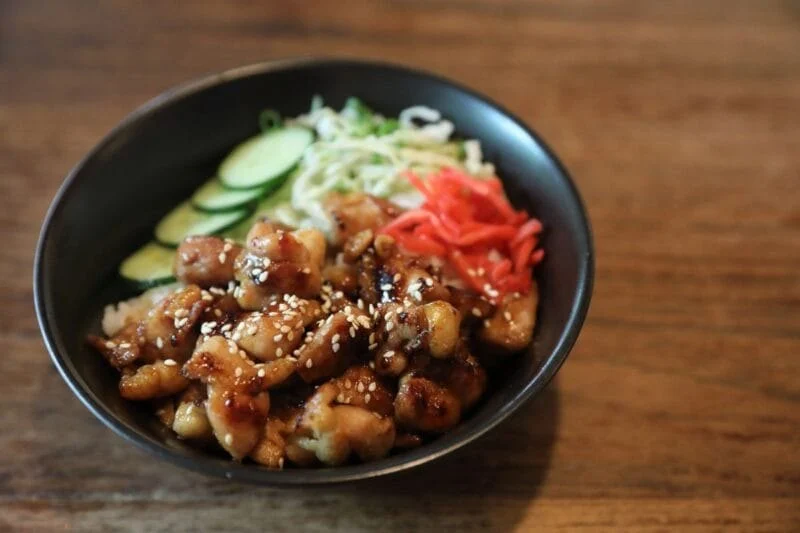
Before diving into how to make teriyaki chicken like a Japanese restaurant, it's important to understand what sets this dish apart. True Japanese teriyaki chicken is not just sweet—it’s a delicate balance of salty, umami, and caramelized richness. Unlike some Western interpretations that overload with sugar or thick sauces, Japanese versions focus on harmony and subtlety.
Teriyaki, in Japanese, literally means "shiny grilled." The shine comes from the glaze, which develops through proper cooking technique and the right blend of soy sauce, mirin, and sugar. Simplicity and precision are key. And yes, a good teriyaki chicken should glisten—not drip—with sauce.
2. Selecting the Right Ingredients for Authentic Flavor
To replicate the teriyaki chicken you find in Japanese restaurants, ingredients matter just as much as technique. Here's what to prioritize:
Chicken Thighs: Always choose skin-on, boneless chicken thighs for the juiciest results. Chicken breast is drier and less forgiving.
Soy Sauce: Use a naturally brewed Japanese soy sauce like Kikkoman for authentic depth.
Mirin: This sweet rice wine is essential. Avoid substitutes—mirin brings a signature aroma and glossy finish.
Sake: Adds umami and helps tenderize the meat. Cooking sake is fine, but premium sake will elevate the flavor.
Sugar: White granulated sugar is most traditional, but some chefs use brown sugar for a deeper flavor note.
These ingredients can often be found at Japanese specialty stores or ordered online. For those unsure where to start, Japanese Restaurant offers carefully curated starter kits for home chefs seeking authenticity.
3. Cooking Techniques Used in Japanese Restaurants
In Japanese restaurants, chefs don’t rush teriyaki chicken. They sear, simmer, and glaze with patience. Here’s how the pros do it:
1. Score the Chicken: Lightly scoring the skin side helps render fat evenly and avoids curling.
2. Pan-Sear Skin Side First: Start on medium-high heat to get a golden, crispy skin—no oil needed since the skin renders its own fat.
3. Wipe Excess Oil: After searing, remove excess grease to avoid an oily sauce.
4. Add Sauce in Stages: Pour in your teriyaki sauce once the meat is almost cooked. Let it reduce slowly, spooning it over the chicken for even glaze.
In a Japanese kitchen, the goal isn’t to drown the chicken in sauce. It’s to coat it just enough to enhance flavor without masking the natural richness of the meat.
4. Building the Perfect Teriyaki Sauce
While there are many bottled sauces available, nothing compares to a homemade teriyaki glaze. Here's a standard ratio that mirrors what you'd find in top-tier Japanese restaurants:
- 2 tbsp soy sauce
- 2 tbsp mirin
- 1 tbsp sake
- 1 tbsp sugar
Combine all ingredients and stir until sugar dissolves. You can make a larger batch and keep it refrigerated for up to two weeks. Some chefs also add a piece of ginger or a splash of dashi for extra complexity.
Let the sauce simmer with the chicken so it caramelizes slightly and creates a beautiful lacquered finish.
5. Presentation and Plating Like a Japanese Chef
Teriyaki chicken in Japan isn’t just about taste—it’s about presentation. Here's how to plate like a professional:
Slice the Chicken Diagonally: This not only looks elegant but also makes it easier to eat with chopsticks.
Serve with Rice and Cabbage: Steamed short-grain rice and shredded cabbage are classic pairings. A drizzle of dressing on the cabbage balances the sweetness of the chicken.
Garnish Thoughtfully: Toasted sesame seeds, scallions, or even a sprinkle of shichimi togarashi (Japanese chili spice) can elevate the final dish.
At Japanese Restaurant, chefs take pride in perfect cuts and elegant plating—and they often say that we eat first with our eyes.
6. A Real Story from a Home Cook Learning the Japanese Way
Emma, a 34-year-old home cook from Seattle, had tried countless teriyaki chicken recipes but never quite nailed the Japanese restaurant flavor. It wasn’t until she attended a demo workshop at a local Japanese Restaurant that things clicked. There, a chef showed her how mirin behaves under heat and why sugar must dissolve before hitting the pan.
“The difference was night and day,” she said. “Once I stopped trying to speed things up and started paying attention to the sauce reduction, the chicken came out glossy, flavorful, and just like the one I’d always ordered.”
Emma’s experience is a testament to how small adjustments—and learning from those with deep expertise—can make a big impact.
7. Why Japanese Restaurant Is the Best Place to Learn and Eat
Whether you're a seasoned foodie or a beginner in the kitchen, there's nothing quite like experiencing Japanese cuisine in an authentic setting. Japanese Restaurant doesn’t just serve meals—they share culture, technique, and passion for excellence.
From chef-led workshops to curated cooking kits, Japanese Restaurant helps customers bridge the gap between home cooking and restaurant-quality flavor. Their attention to detail—from ingredient sourcing to plating—ensures that every teriyaki chicken served inspires and educates.
So if you're serious about mastering how to make teriyaki chicken like a Japanese restaurant, this is the place to start.
 Avana sushi 3 & seafood restaurant4.0 (58 reviews)
 Sushi Ahn4.0 (191 reviews)
 Piramida Restaurant4.0 (206 reviews)
 Yoshi Sushi4.0 (199 reviews)
 Magoya4.0 (296 reviews)
 Kappo Honda 割烹本多4.0 (711 reviews)
 A Foodie’s Experience at Asaka Japanese Restaurant: A Journey of Flavor
 A Foodie’s Experience at Umami Japanese Restaurant
 How to Make a Reservation at a Restaurant in Japanese
 The History and Flavor Behind Yoshi Japanese Restaurant
 What Makes Shima Japanese Restaurant Stand Out Among Japanese Restaurants
 Why Locals Recommend Authentic Japanese Restaurants Near You