
- 1-understanding-japanese-dining-culture
- 2-phrases-for-making-a-restaurant-reservation-in-japanese
- 3-step-by-step-guide-to-reserving-a-table
- 4-practical-tips-for-tourists-and-non-native-speakers
- 5-real-life-scenario-a-reservation-story-in-tokyo
1. Understanding Japanese Dining Culture
1.1 Politeness and Planning Are Essential
In Japan, dining out—especially at popular restaurants—is often planned in advance. Making a reservation is not only common courtesy but also expected in many mid-to-high-end establishments. Unlike casual eateries in other countries, seating may be limited, and walk-ins are often turned away.
1.2 Why Reservations Are Respected in Japan
Japanese restaurant owners take reservations seriously. A confirmed table means personalized preparation—some omakase chefs even buy ingredients based on that day's bookings. Last-minute cancellations or no-shows are frowned upon, and some restaurants may charge cancellation fees.
2. Phrases for Making a Restaurant Reservation in Japanese
2.1 Essential Japanese Reservation Phrases
To make a reservation over the phone or in person, these phrases can help:
- “Yoyaku o shitai desu.” (I’d like to make a reservation.)
- “___-nin desu.” (We are ___ people.)
- “___-ji ni onegaishimasu.” (At ___ o’clock, please.)
- “Watashi no namae wa ___ desu.” (My name is ___.)
Practice saying it clearly, or write it down. Staff often appreciate even a basic attempt at Japanese.
2.2 Using Honorifics and Respectful Tone
In Japanese, tone and formality matter. Using "onegaishimasu" (please) rather than "kudasai" makes your request more polite. Avoid abrupt phrases and always greet the staff with “konnichiwa” before starting your request.
3. Step-by-Step Guide to Reserving a Table
3.1 Step 1: Know the Restaurant’s Policy
Many high-end places, like sushi counters or kaiseki ryōri establishments, only take reservations by phone or through local platforms like TableCheck. Check their website or listing first.
3.2 Step 2: Make the Call or Walk In
If you’re confident in basic Japanese, call between 2–5 PM when staff are less busy. Alternatively, visit in person during off-peak hours and speak slowly with prepared phrases.
3.3 Step 3: Confirm Details
Repeat your name, number of guests, date, and time. Staff will often repeat it back. If you’re unsure, say “eigo wa hanasemasu ka?” (Do you speak English?)—many places in tourist areas will accommodate.
4. Practical Tips for Tourists and Non-Native Speakers
4.1 Use Hotel Concierge or Booking Services
If language is a barrier, use your hotel’s front desk or concierge. They can call and confirm on your behalf, which is especially helpful for Michelin-starred or countryside restaurants.
4.2 Leverage Technology
Platforms like Gurunavi and Tabelog sometimes allow reservations in English. Google Translate’s voice and text tools can also help you navigate the conversation. Some restaurants use LINE messaging to take bookings.
4.3 Avoid Peak Times for Better Success
Dinner slots between 6:30–8:00 PM are high demand. Try making reservations for earlier or later timeframes, especially during busy tourist seasons.
5. Real-Life Scenario: A Reservation Story in Tokyo
5.1 A Tourist Couple’s Yakitori Adventure
Last spring, a couple from Toronto tried booking a yakitori spot in Shinjuku. Armed with a handwritten note from their hotel, they approached the counter at 4 PM. Despite the language gap, the staff appreciated their preparation and fit them in for 7:30 PM. Their effort and respect opened the door to one of their favorite Japan memories.
5.2 Be Prepared to Pivot
Not all attempts will succeed. If a place is fully booked, staff often recommend similar alternatives nearby. This is where local knowledge matters—visit Japanese Restaurant for insights on the best-reviewed spots and reservation-friendly venues tailored for tourists and expats alike.
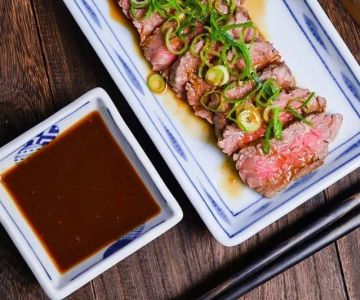
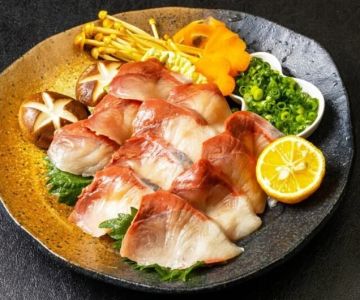
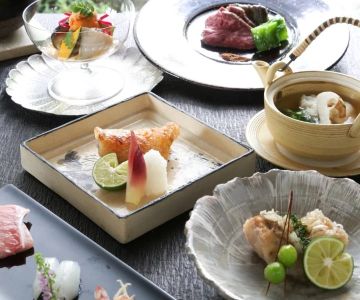
 Chef Soon Contemporary Sushi & Bar4.0 (801 reviews)
 Yama Sushi3.0 (180 reviews)
 Wasabi Kaizen5.0 (17 reviews)
 Nishi Poke & Ramen Bistro4.0 (136 reviews)
 Sushi Kingdom4.0 (469 reviews)
 Chubby Cattle Shabu | Wagyu AYCE4.0 (1604 reviews)
 What to Do in a Japanese Restaurant: Dining Etiquette, Menu Tips, and Cultural Insights
 Why Locals Recommend Shiki Japanese Restaurant
 Why Locals Recommend Domo Japanese Restaurant: A Hidden Gem in the Neighborhood
 Exploring the Menu at Miyabi Japanese Restaurant
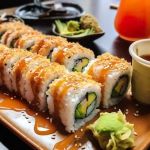 Signature Sushi and Ramen at Jinghe Japanese Restaurant – A Culinary Journey of Authentic Flavors
 Is Japanese Restaurant Good for Celiac People? Tips for Dining Gluten-Free