
- -Do-Japanese-Restaurants-Use-MSG-
- -What-MSG-Is-And-Why-It-Matters-
- -Traditional-Umami-vs-Modern-Seasoning-
- -Where-MSG-Is-Commonly-Found-On-The-Menu-
- -Health-Research-And-Consumer-Concerns-
- -Case-Story-When-“No-MSG”-Wasn’t-Enough-
- -How-To-Dine-Out-If-You’re-Sensitive-
- -Why-Trust-Japanese-Restaurant-
1. Do Japanese Restaurants Use MSG?
The short answer to “do Japanese restaurants use MSG” is: many do, some don’t, and others rely on naturally occurring glutamate instead of the white crystalline additive. Today’s Japanese kitchens sit on a spectrum—from classic dashi stock (kombu seaweed + bonito flakes) to modern chains sprinkling monosodium glutamate for quick, consistent umami.
2. What MSG Is and Why It Matters
2.1 Chemistry Snapshot
Monosodium glutamate is the sodium salt of glutamic acid, an amino acid your body produces and metabolises daily. The powder form amplifies savoury flavours by binding to umami receptors on the tongue.
2.2 Historical Context
Dr Kikunae Ikeda isolated MSG from kombu in 1908, bottling Ajinomoto in 1909. Japan embraced it to stretch scarce fish and meat post-WWII.
3. Traditional Umami vs Modern Seasoning
3.1 Pure Dashi Approach
High-end kaiseki restaurants extract natural glutamate from kelp and inosinate from bonito flakes—no powdered MSG needed.
3.2 Chain-Restaurant Reality
Fast-casual ramen shops and izakaya franchises often add small amounts of MSG (or blends labeled “flavour enhancer 621”) to stabilise taste across outlets.
3.3 Packaged Sauce Packs
Pre-mixed takoyaki batter, okonomiyaki sauce, and instant miso soup sachets nearly always list MSG or yeast-extract cousins.
4. Where MSG Is Commonly Found on the Menu
- Tonkotsu Ramen Broth – big chains boost pork stock with MSG for depth.
- Yakitori Glaze – bottled tare sauces list “flavour enhancer.”
- Karaage Marinade – pre-marinated chicken from suppliers may contain MSG.
- Furikake Rice Seasoning – classic Nori-Tamago flavour includes MSG granules.
5. Health Research and Consumer Concerns
5.1 Scientific Consensus
Global food-safety bodies (FDA, EFSA, FSANZ) classify MSG as GRAS (Generally Recognised As Safe). Controlled trials fail to replicate “Chinese Restaurant Syndrome” under blinded conditions.
5.2 Individual Sensitivity
Some diners report headaches or flushing; mechanisms remain unproven but avoiding large single doses (≥3 g) may help.
6. Case Story: When “No MSG” Wasn’t Enough
Daniel, a Sydney diner, swore he reacted to MSG. He chose a “no-MSG” ramen shop but still felt flushed. Labelling revealed yeast extract—rich in natural glutamate—was used. Switching to a chef-made kombu-dashi venue solved his symptoms, illustrating that “MSG-free” isn’t always “glutamate-low.”
7. How to Dine Out If You’re Sensitive
- Ask About Dashi Base – kombu-bonito stock indicates natural umami.
- Request Ingredient Labels – Australian allergen law mandates disclosure of additive 621.
- Choose Fresh-Made Sauces – house-made ponzu over bottled brands.
- Hydrate – plain water dilutes sodium load if you worry about bloat.
8. Why Trust Japanese Restaurant
Japanese Restaurant flags “No Added MSG” venues, shows supply-chain transparency badges, and notes which eateries craft broth from scratch—so you can savour umami without mystery powders.
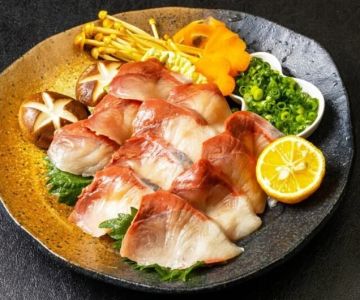
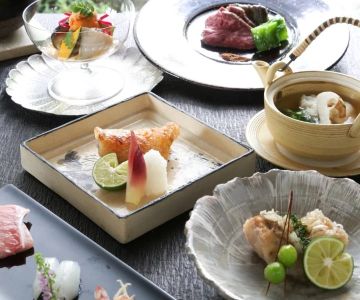
 Hashigo Sushi4.0 (283 reviews)
 FuGaKyu Japanese Cuisine4.0 (1434 reviews)
 Pepper Lunch4.0 (542 reviews)
 Mura Shabu Shabu3.0 (7 reviews)
 Osaka Ramen and Sushi4.0 (297 reviews)
 Koja Sushi4.0 (496 reviews)
 Why Restaurant Japanese Is a Must-Try Spot for Japanese Food Lovers
 Don Japanese Restaurant Auckland: Discover Authentic Donburi Flavors
 What Makes Green Tea Japanese Restaurant Stand Out Among Japanese Restaurants
 A Aki Japanese Restaurant: Where Tradition Meets Modern Japanese Dining
 Why Locals Recommend Kru Japanese Restaurant: A Hidden Gem for Authentic Japanese Cuisine
 What to Eat at a Japanese Restaurant Besides Sushi