
- - Do You Speak Japanese Restaurant Skit?
- - How Skits Help You Practice Japanese
- - Essential Japanese Restaurant Phrases
- - Why Skits Are Great for Language Learning
- - Real-life Story: Using Skits to Learn Japanese
- - Recommended Resources at Japanese Restaurant
1. Do You Speak Japanese Restaurant Skit?
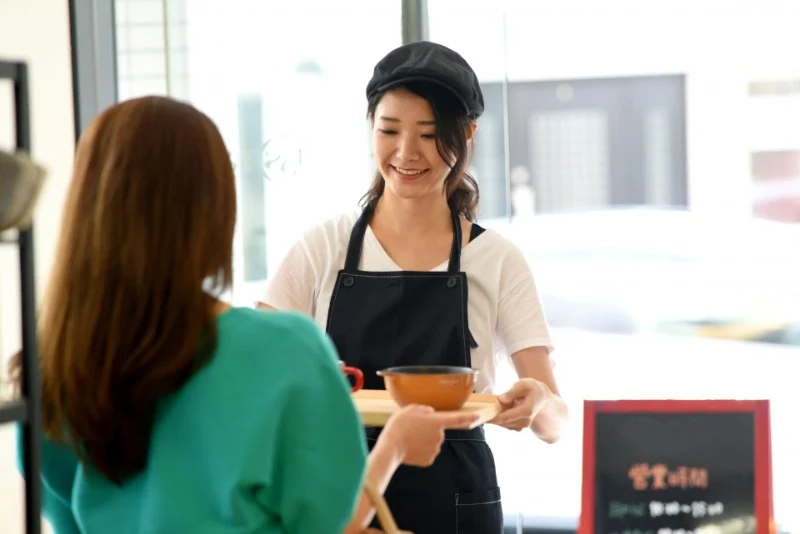
If you’ve ever wanted to practice speaking Japanese in real-life situations, a Japanese restaurant skit can be a fun and engaging way to do so. A skit, often performed in role-playing scenarios, can simulate the environment of a Japanese restaurant, allowing you to practice essential phrases and improve your speaking skills. Whether you're a beginner or looking to polish your conversational skills, these skits provide a hands-on approach to learning Japanese.
In this article, we’ll dive into the benefits of practicing Japanese with a restaurant-themed skit, offer some essential Japanese phrases to use in the restaurant setting, and explain how skits can enhance your language learning journey. Get ready to learn and have fun at the same time!
2. How Skits Help You Practice Japanese
One of the most effective ways to learn a new language is by immersing yourself in real-world scenarios. Skits or role-plays help simulate real-life conversations, allowing you to practice Japanese in a contextual and dynamic setting. In a Japanese restaurant skit, for example, you can play the role of a customer, waiter, or chef and engage in a mock conversation that mimics the actions and vocabulary you’d use in an actual restaurant.
Here’s why skits are so helpful for language learners:
- Engages Multiple Senses: Role-playing helps reinforce vocabulary and sentence structures while improving pronunciation and listening comprehension. It activates both your speaking and listening skills simultaneously.
- Boosts Confidence: Practicing with a skit makes you more comfortable using the language in public or formal settings. As you get used to responding to various scenarios, you’ll feel more confident speaking Japanese outside the classroom.
- Helps Retain Vocabulary: Repeated use of restaurant phrases in a role-playing scenario helps solidify the vocabulary in your memory, making it easier to recall when needed in real-life situations.
By practicing with skits, you gain the confidence and experience necessary to navigate a Japanese restaurant with ease, all while having fun!
3. Essential Japanese Restaurant Phrases
To make your Japanese restaurant skit more effective, it's helpful to learn some key phrases that you’ll likely encounter when dining at a Japanese restaurant. Here are a few essential phrases to get you started:
- メニューをください (Menyuu wo kudasai): “Please give me the menu.” This is a polite way to ask for the menu when you're seated at the table.
- 注文をお願いします (Chuumon wo onegaishimasu): “I’d like to place an order, please.” This is how you would initiate ordering food or drinks from the server.
- おすすめは何ですか (Osusume wa nan desu ka): “What do you recommend?” If you want the staff to suggest something popular or special, this is the phrase to use.
- お会計をお願いします (Okaikei wo onegaishimasu): “Can I have the check, please?” Use this when you're ready to pay your bill.
- おいしい (Oishii): “Delicious!” After enjoying your meal, this simple but effective word expresses your satisfaction with the food.
These phrases cover key interactions at a restaurant, from asking for the menu to expressing enjoyment after the meal. Incorporating these into your skit can help you feel more prepared for real conversations.
4. Why Skits Are Great for Language Learning
Skits are an enjoyable and interactive way to learn a language, and there are several reasons why they’re particularly effective for learning Japanese:
- Interactive Learning: Unlike passive learning methods, skits require active participation. You’ll engage with the language in real-time, which enhances your learning experience.
- Contextual Practice: Skits put language into context, allowing you to practice using Japanese in situations you’ll encounter in real life. This approach helps you grasp not only the vocabulary but also the tone, formality, and cultural nuances of the language.
- Fun and Engaging: Language learning through skits can be fun and entertaining, making it more likely that you’ll stick with it. The creativity involved keeps learners engaged and motivated to practice regularly.
- Encourages Collaboration: Skits can be performed with friends, teachers, or classmates, promoting collaboration and peer learning. This social aspect can boost your confidence and improve communication skills.
By incorporating skits into your language-learning routine, you’ll deepen your understanding of Japanese in a dynamic and enjoyable way.
5. Real-life Story: Using Skits to Learn Japanese
Take the example of Sarah, a student from California, who was learning Japanese for travel purposes. She had been struggling with understanding how to speak in a restaurant setting, where she would need to interact with waiters and place orders. To improve her speaking skills, Sarah joined a language exchange group where they practiced Japanese through skits. In one skit, Sarah played the role of a customer at a Japanese restaurant while her partner was the waiter.
By repeating key phrases and mimicking real-life scenarios, Sarah grew more confident in using the language. She was able to simulate everything from ordering food to asking for the bill, and soon she felt more prepared for her trip to Japan. Sarah’s experience shows how effective skits can be in preparing for real-world language use.
6. Recommended Resources at Japanese Restaurant
If you're interested in enhancing your Japanese language skills or practicing in a more immersive environment, Japanese Restaurant offers resources to help you master key phrases and conversational skills. Whether you’re preparing for a trip or just want to get better at speaking Japanese, we have the tools and products to make your learning process enjoyable and effective. Visit us today to explore our wide range of language-learning materials and recommendations!
 Kiyosuzu4.0 (149 reviews)
 Masago Japanese Cuisine4.0 (381 reviews)
 Bottle Rocket Fine Food and Beverage4.0 (393 reviews)
 Fuji's Grill & Sushi4.0 (433 reviews)
 Uchi Austin4.0 (3168 reviews)
 Sushi Avenue4.0 (539 reviews)
 A Red Dot Japanese Restaurant: Authentic Culture Meets Culinary Art
 Top Dishes You Should Order at Goshi Japanese Restaurant
 Why Wako Japanese Restaurant Is a Must-Try Spot for Japanese Food Lovers
 How to Say "Restaurant" in Japanese
 Why Waraji Japanese Restaurant Is a Must-Try Spot for Japanese Food Lovers
 Top Dishes You Should Order at Shirasoni Japanese Restaurant