- 1-tipping-culture-in-japan
- 2-why-tipping-is-uncommon
- 3-how-to-show-appreciation
- 4-real-life-experience-with-tipping
- 5-finding-japanese-restaurants-with-clear-customs
1. The Unique Tipping Culture in Japanese Restaurants
When dining at Japanese restaurants, especially those in Japan, many visitors wonder: do you tip in Japanese restaurants? Unlike Western countries where tipping is customary and often expected, tipping in Japan is generally not practiced and can even cause confusion. The culture places great emphasis on exceptional service as a standard, without the need for additional monetary rewards.
This cultural difference often surprises travelers who assume tipping is a global norm. In Japan, the price you pay for your meal already includes impeccable service, and the hospitality is seen as part of the establishment's pride and professionalism.
2. Why Tipping is Uncommon in Japanese Dining Culture
The roots of tipping in Japan relate to cultural values of respect, humility, and social harmony. Here service workers view their job as an honorable duty rather than something requiring extra financial incentive. Offering a tip can sometimes be interpreted as implying that the service was not good enough on its own merit, which might unintentionally offend the staff.
Moreover, many Japanese restaurants have fixed pricing structures with no hidden costs. The absence of tipping removes awkwardness and ensures every customer receives equal treatment.
3. How to Show Appreciation Instead of Tipping
Although tipping is uncommon, expressing gratitude in other ways is highly appreciated:
3.1 Polite Verbal Thanks
A simple, heartfelt “arigatou gozaimasu” (thank you very much) delivered sincerely is a meaningful way to show respect and gratitude for the service.
3.2 Returning as a Loyal Customer
Regular patronage and positive word-of-mouth recommendations are considered the best rewards for excellent service in Japan. Building a relationship with your favorite Japanese restaurant can be more valuable than tipping.
3.3 Small Gifts or Souvenirs
In rare cases, especially when visiting family-run establishments or during special occasions, small gifts from your home country may be accepted as tokens of appreciation, but only if offered respectfully.
4. Real-Life Experience: Navigating Tipping When Dining Out
A traveler recounted their visit to a Tokyo sushi bar, unsure whether to tip after receiving exceptional omakase service. When they discreetly left a tip, the staff politely returned it with a gentle explanation that tipping was unnecessary and that their pleasure in providing excellent service was reward enough. This encounter underscores how tipping customs can differ vastly, and understanding them enhances the dining experience.
5. Finding Japanese Restaurants with Clear Tipping Policies
For diners outside Japan or in countries where tipping is common, policies at Japanese restaurants can vary. Some establishments in the U.S. or Europe may accept tips, while others include a service charge. To avoid confusion, it’s best to check in advance.
Our platform, Japanese Restaurant, offers detailed information about restaurant policies, including tipping etiquette and cultural notes. This helps diners feel confident and respectful during their visit, ensuring a pleasant dining experience anywhere Japanese cuisine is served.
 Toshi's Teriyaki3.0 (148 reviews)
 Moshi Moshi Sushi & Izakaya4.0 (769 reviews)
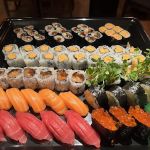 Aloha Sushi4.0 (38 reviews)
 WAKUDA Omakase Room & Bar3.0 (3 reviews)
 HINODEYA Ramen Japantown4.0 (2720 reviews)
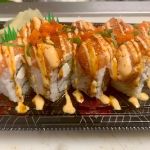 Oshiki Japan (Quail Springs Mall)3.0 (43 reviews)
 Is Japanese Restaurant Good for Celiac People? Tips for Dining Gluten-Free
 Why Taki Japanese Restaurant is a Must-Try Spot for Japanese Food Lovers
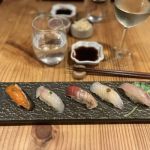 Exploring the Menu at Sasa Japanese Restaurant in the U.S.
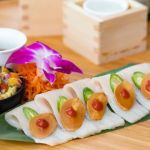 Why Locals Recommend Miyako Japanese Restaurant
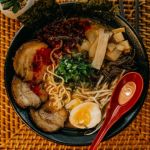 Signature Sushi and Ramen at Izumi Japanese Restaurant
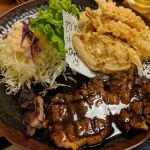 The Complete Guide to Dining at Azuma Japanese Restaurant in the USA