
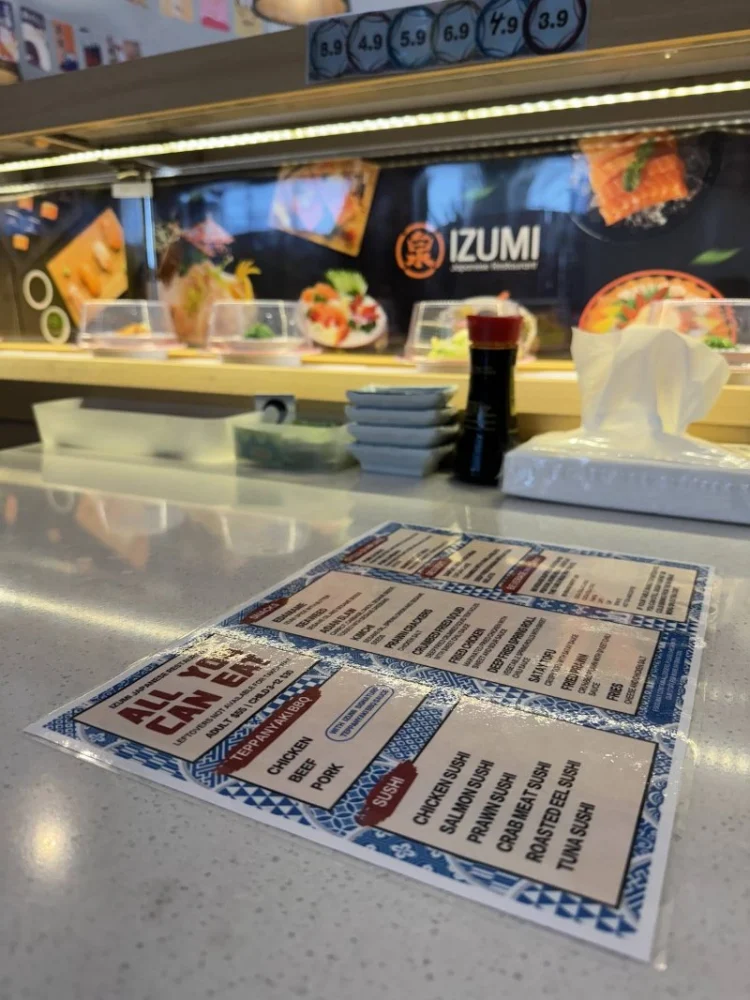
- -Signature-Dishes-at-Izumi-Japanese-Restaurant
- -Understanding-Sushi-and-Sashimi-Selections
- -Hot-Dishes-and-Comfort-Foods
- -Dining-Experience-and-Cultural-Details
- -Tips-for-Choosing-the-Right-Menu-Items
1. Signature Dishes at Izumi Japanese Restaurant
When exploring the menu at Izumi Japanese Restaurant, the first thing that stands out is the balance between traditional authenticity and modern presentation. Many diners often expect sushi alone, but Izumi goes beyond that, offering a curated selection of dishes that reflect regional Japanese flavors.
1.1 The Chef’s Philosophy
The chef at Izumi focuses on freshness and simplicity. This means ingredients are minimally processed, allowing natural flavors to shine. For example, their signature chirashi bowl showcases seasonal fish arranged thoughtfully over perfectly seasoned rice.
1.2 Popular Customer Favorites
Regular visitors often rave about the toro nigiri and miso black cod. These dishes have gained popularity not only for their taste but also for their consistency. In fact, a recent online review trend highlighted how repeat customers tend to reorder the same items, which is a strong indicator of quality.
1.3 A Personal Dining Story
On my first visit, I hesitated between the omakase and ordering à la carte. Choosing omakase turned out to be a memorable decision—the chef introduced each dish with a brief explanation, making the experience feel both educational and personal.
2. Understanding Sushi and Sashimi Selections
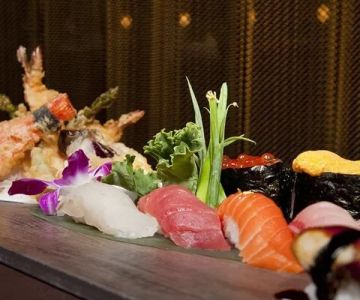
For many food lovers, sushi is the centerpiece when exploring the menu at Izumi Japanese Restaurant. However, understanding the subtle differences can greatly enhance your dining experience.
2.1 Types of Sushi Explained
1. Nigiri: Hand-pressed rice topped with fish, often brushed lightly with soy or sauce.
2. Maki Rolls: Wrapped rolls that combine rice, seaweed, and fillings.
3. Specialty Rolls: Creative combinations that cater to modern tastes.
2.2 Sashimi for Purists
Sashimi offers the purest form of seafood appreciation. At Izumi, slices are thick enough to provide texture but delicate enough to melt in your mouth. This is where ingredient quality truly matters.
2.3 Real-Life Insight
A friend who previously avoided raw fish changed her perspective after trying salmon sashimi here. The freshness and subtle sweetness completely redefined her expectations of Japanese cuisine.
3. Hot Dishes and Comfort Foods
While sushi often steals the spotlight, the hot dishes at Izumi Japanese Restaurant deserve equal attention. These items bring warmth and depth to the menu.
3.1 Ramen and Udon Choices
The ramen broth is simmered for hours, resulting in a rich, umami-packed base. Udon, on the other hand, provides a lighter yet equally satisfying option with its thick, chewy noodles.
3.2 Grilled and Fried Specialties
1. Yakitori: Skewered and grilled meats with a smoky flavor.
2. Tempura: Lightly battered seafood and vegetables with a crisp texture.
3. Teriyaki Dishes: Sweet-savory glazed proteins served with rice.
3.3 Comfort Food Appeal
These dishes are particularly popular among diners seeking something hearty. During colder months, ramen orders noticeably increase—a trend observed in many authentic Japanese restaurant settings.
4. Dining Experience and Cultural Details
Exploring the menu at Izumi Japanese Restaurant is not just about food—it’s about the entire dining experience.
4.1 Atmosphere and Presentation
The ambiance is typically minimalist, with attention to detail in plating. Each dish is presented almost like a piece of art, reflecting Japanese aesthetics.
4.2 Cultural Etiquette
1. Avoid mixing wasabi into soy sauce unless preferred.
2. Eat nigiri in one bite for the best flavor balance.
3. Respect the chef’s recommendations, especially during omakase.
4.3 Building Trust Through Authenticity
Restaurants like Izumi gain loyal customers by staying true to traditional methods while still adapting to modern tastes. This balance builds trust and keeps diners returning.
5. Tips for Choosing the Right Menu Items
Navigating a Japanese menu can feel overwhelming, especially for first-time visitors. However, a few simple strategies can make the process enjoyable.
5.1 Start with a Balanced Order
1. Begin with a light appetizer such as edamame or miso soup.
2. Add a sushi or sashimi platter for variety.
3. Include one hot dish like ramen or tempura for balance.
5.2 Consider Seasonal Specials
Many dishes at Izumi Japanese Restaurant change based on seasonal availability. Asking about daily specials can lead to unique discoveries.
5.3 Where to Discover More Options
If you’re looking to explore more curated dining experiences or find similar authentic spots, platforms like Japanese Restaurant can help you discover recommended places, dishes, and services tailored to your preferences.
5.4 Final Thought from Experience
Every visit to Izumi feels slightly different, depending on what you choose and what’s in season. That’s the beauty of Japanese cuisine—it evolves, yet always stays rooted in tradition.


 Moonga Sushi4.0 (795 reviews)
 Ichiban Sushi4.0 (351 reviews)
 Soku Sushi & Noodle4.0 (214 reviews)
 Echigo Teriyaki & Roll4.0 (263 reviews)
 Mizu Sushi of Verona4.0 (67 reviews)
 Fire-Fish Sushi & More4.0 (324 reviews)
 Exploring the Menu at East Japanese Restaurant: A Culinary Journey
 Is It Rude to Use a Fork at a Japanese Restaurant?
 Why Hayashi Japanese Restaurant Is a Must-Try Spot for Japanese Food Lovers
 Signature Sushi and Ramen at Umami Japanese Restaurant
 Why Miyabi Japanese Restaurant Is a Must-Try Spot for Japanese Food Lovers
 Why Umami Japanese Restaurant Is a Must-Try Spot for Japanese Food Lovers