
- Roles and Responsibilities of Waitresses in Japanese Restaurants
- Unique Service Style and Hospitality Culture
- Practical Examples and Staff Interactions
- How Japanese Restaurant Supports Service Quality
Roles and Responsibilities of Waitresses in Japanese Restaurants
Understanding how does waitressing work in a Japanese restaurant begins with recognizing the distinct roles and expectations placed on the staff. Waitresses in Japan often juggle multiple duties—from greeting customers and taking orders to delivering food and ensuring an impeccable dining environment.
1. Greeting and Seating Guests
The service starts the moment a customer steps in. Waitresses warmly greet guests with a respectful “Irasshaimase”, guiding them to their seats while offering menus. This initial interaction sets the tone for the entire experience.
2. Detailed Order Taking and Recommendations
Waitresses are knowledgeable about the menu and often assist customers by explaining dishes, suggesting seasonal specials, or helping with dietary preferences. This personalized attention ensures guests feel valued and well-informed.
3. Serving and Maintaining Table Etiquette
Precision and attentiveness are key. Waitresses serve dishes carefully, using both hands as a sign of respect, and regularly check on diners without being intrusive. They also clear plates promptly and refill drinks thoughtfully.
Unique Service Style and Hospitality Culture
1. The Essence of Omotenashi
The concept of omotenashi, or wholehearted hospitality, deeply influences waitressing in Japanese restaurants. Staff anticipate needs before they are voiced, creating a seamless and respectful dining atmosphere. This approach reflects Japan’s cultural emphasis on harmony and customer care.
2. Formality and Respect in Interaction
Japanese waitresses maintain polite language and body language, often bowing subtly to convey respect. They avoid direct eye contact when inappropriate, adhering to cultural norms that prioritize humility and service.
3. Uniforms and Appearance
Waitresses usually wear clean, simple uniforms symbolizing professionalism and cleanliness, which further enhances customers’ confidence in the restaurant’s standards.
Practical Examples and Staff Interactions
1. Case Study: A Tokyo Sushi Bar
At a bustling Tokyo sushi bar, waitresses skillfully balance fast-paced service with personalized greetings. One waitress shared how learning subtle phrases like “Omatase shimashita” (Thank you for waiting) helps maintain a polite yet friendly environment even during rush hours.
2. Managing Customer Requests
Waitresses often handle special requests tactfully, such as dietary restrictions or preferred seating. Their ability to communicate clearly with kitchen staff ensures smooth service, reinforcing trust between customers and the restaurant.
How Japanese Restaurant Supports Service Quality
1. Training and Professional Development
Our platform, Japanese Restaurant, offers insights into industry standards and staff training programs that cultivate excellence in waitressing. Learning about service customs enhances understanding of how does waitressing work in a Japanese restaurant beyond just the surface.
2. Finding Expert Services and Resources
We connect restaurant owners and staff with professional services, language support, and cultural workshops to elevate hospitality quality. This helps maintain authentic Japanese dining experiences worldwide.
3. Enhancing Customer Experience
By integrating traditional service values with modern efficiency, Japanese restaurants foster welcoming environments that keep customers returning. Our expert advice and curated content can guide you in appreciating and adopting these practices effectively.
 Toshi's Teriyaki3.0 (148 reviews)
 Moshi Moshi Sushi & Izakaya4.0 (769 reviews)
 Aloha Sushi4.0 (38 reviews)
 WAKUDA Omakase Room & Bar3.0 (3 reviews)
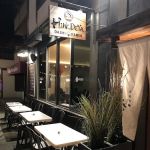 HINODEYA Ramen Japantown4.0 (2720 reviews)
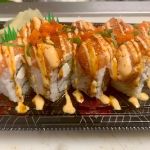 Oshiki Japan (Quail Springs Mall)3.0 (43 reviews)
 Is Japanese Restaurant Good for Celiac People? Tips for Dining Gluten-Free
 Why Taki Japanese Restaurant is a Must-Try Spot for Japanese Food Lovers
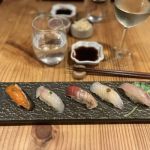 Exploring the Menu at Sasa Japanese Restaurant in the U.S.
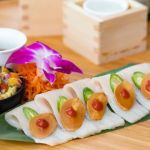 Why Locals Recommend Miyako Japanese Restaurant
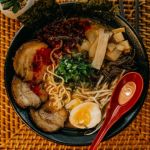 Signature Sushi and Ramen at Izumi Japanese Restaurant
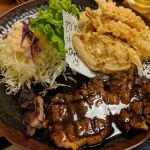 The Complete Guide to Dining at Azuma Japanese Restaurant in the USA