
- -How-Many-Japanese-Restaurants-in-USA-
- -Why-Estimates-Vary-By-Data-Source-
- -Growth-Trends-Since-2010-
- -Where-Are-They-Located-
- -Market-Drivers-Sushi-Boom-to-Izakaya-2.0-
- -Case-Story-Sushi-in-a-Midwest-Town-
- -Why-Visit-Japanese-Restaurant-
1. How Many Japanese Restaurants in the USA?
No single registry exists, so researchers rely on business-licence crawls, point-of-interest (POI) maps, and industry surveys. The most recent 2025 figures cluster around 20,000–23,000 establishments nationwide:
• IBISWorld counts 22,902 businesses in its Japanese-Restaurant industry category for 2025.
• POI–scraper Rentech Digital lists 19,228 operating locations as of January 2025.
• Location-analytics site Poidata logs 21,734 outlets using GPS and Google Places tags.
The spread—about 3,700 units—comes from differing definitions (stand-alone ramen stalls vs. sushi counters inside supermarkets) and how chain duplicates are handled.
2. Why Estimates Vary by Data Source
2.1 NAICS Codes vs. Keyword Crawls
IBISWorld relies on NAICS 722513 and 722511 codes, capturing any operator self-identifying as Japanese cuisine. POI crawlers instead scrape “sushi,” “ramen,” “izakaya,” and “teriyaki” keywords, which can miss fusion spots or over-count mixed-menu pubs.
2.2 Independent Pop-Ups
Food-hall kiosks and ghost-kitchen rollouts bloom and fold quickly; they rarely appear in annual government files but show up in live POI feeds—one reason Rentech’s total skews lower.
2.3 Chain vs. Single-Owner Footprint
Rentech reports that 75 % of U.S. Japanese restaurants are single-owner outfits. Chains like Benihana or Kura Revolving Sushi add large seat counts without greatly altering the “number of businesses” metric.
3. Growth Trends Since 2010
3.1 Post-Recession Expansion
The industry added roughly 6,000 restaurants between 2010 and 2019, fuelled by sushi’s mainstreaming and ramen’s cult rise.
3.2 Pandemic Dip and Rebound
2020 saw a 12 % contraction as dine-in restrictions bit hard, but 2022 counts (≈23,064) already eclipsed pre-COVID numbers.
3.3 Current CAGR
IBISWorld pegs five-year average growth at 0.7 %, while its sushi-only subsegment posts 4.3 % annual growth through 2025.
4. Where Are They Located?
Coastal metros dominate, yet second-tier cities show eye-catching density:
4.1 Top Metropolitan Hubs
• Los Angeles – over 2,000 listings
• New York City – nearly 1,900
• Honolulu – highest per-capita ratio
4.2 Rising Heartland Clusters
Poidata records 283 outlets in Brooklyn and 267 in San Francisco, but also 120-plus in Minneapolis and 95 in Nashville—evidence of nationwide adoption.
5. Market Drivers: From Sushi Boom to Izakaya 2.0
5.1 Health Halo & Sustainability
Consumers link sushi with omega-3s and low-calorie dining. Operators respond with traceable tuna and plant-based “unagi.”
5.2 Experiential Dining
Interactive omakase counters and theatrical teppanyaki keep average check sizes climbing despite cost-of-living pressure.
5.3 Delivery-Friendly Concepts
Ramen kits and poke bowls travel well, allowing ghost kitchens to enter land-locked suburbs at low capital cost.
6. Case Story: Sushi in a Midwest Town
Springfield, Missouri—once a sushi desert—now hosts seven Japanese eateries. In 2022, former Chicago chef Aiko Tanaka opened “Ozark Omakase” in a 24-seat strip-mall space. Social-media buzz drew weekend diners from four neighbouring counties, proving demand exists far beyond the coasts when quality and narrative align.
7. Why Visit Japanese Restaurant
Japanese Restaurant curates the best of these 20-plus-thousand spots—filtering by omakase price, vegan ramen, or family-friendly tatami rooms—so your next reservation benefits from data, not guesswork.
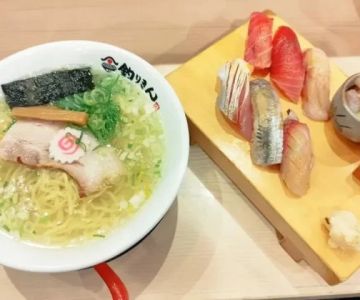

 Yukiya Ramen4.0 (53 reviews)
 KANE4.0 (246 reviews)
 Island Sushi4.0 (36 reviews)
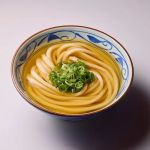 Marugame Udon4.0 (44 reviews)
 Ichimiann4.0 (306 reviews)
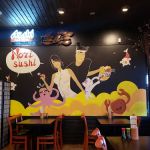 Nori Sushi4.0 (349 reviews)
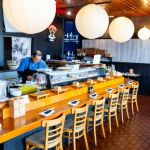 Why Locals Recommend Japanese Restaurants in Miami: Best Spots for Authentic Dining
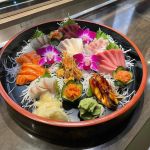 Top Dishes You Should Order at Taiko Japanese Restaurant
 A Comprehensive Guide to a Japanese Restaurant Menu
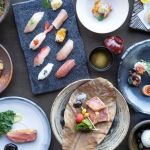 Top Dishes You Should Order at Shimogamo Japanese Restaurant: Must-Try Menu Items
 Is There a Japanese Restaurant in Plymouth, Massachusetts? Explore Local Options
 What Makes Miyako Japanese Restaurant Stand Out Among Japanese Restaurants