
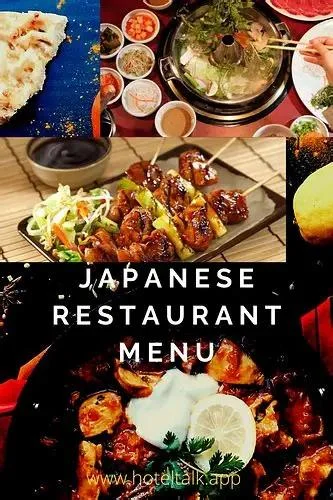
- understanding-a-japanese-restaurant-menu
- 1-the-foundations-of-a-japanese-restaurant-menu
- 2-main-course-categories-and-their-significance
- 3-traditional-vs-modern-twists-in-japanese-menus
- 4-how-to-read-and-order-from-a-japanese-menu
- 5-real-dining-experiences-insights-and-surprises
- japanese-restaurant-your-go-to-place-for-authentic-flavors
Understanding a Japanese Restaurant Menu
For many diners, walking into a Japanese restaurant and glancing at the menu can feel both exciting and overwhelming. With an array of unfamiliar terms, elegant dish names, and unique ingredient combinations, understanding a Japanese restaurant menu is more than just choosing sushi or ramen—it's about stepping into a rich culinary culture. This guide walks you through the essentials and intricacies, so your next meal is more flavorful and informed.
1. The Foundations of a Japanese Restaurant Menu
1.1 A Harmony of Flavors and Aesthetics
Unlike many Western menus that focus solely on the dish’s ingredients, a Japanese restaurant menu often emphasizes balance—between taste, texture, and presentation. Meals are designed to stimulate all senses. Expect small plates and subtle flavor layering rather than one dominant taste.
1.2 Structure and Seasonal Considerations
Menus typically follow a format: starters (zensai), soups (suimono, misoshiru), raw dishes (sashimi), grilled or simmered items (yakimono, nimono), rice or noodles (donburi, soba, udon), and desserts (wagashi). Seasonal specialties—like sakura-themed dishes in spring—are also common.
2. Main Course Categories and Their Significance
2.1 Sushi and Sashimi
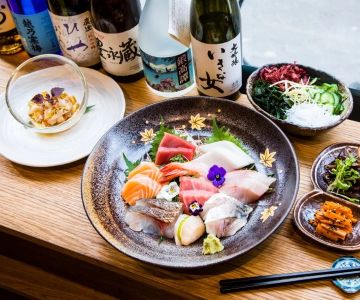
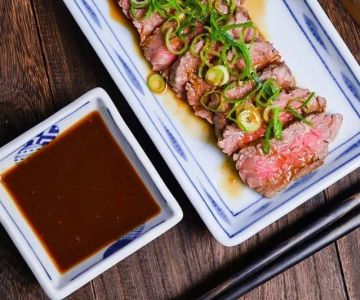
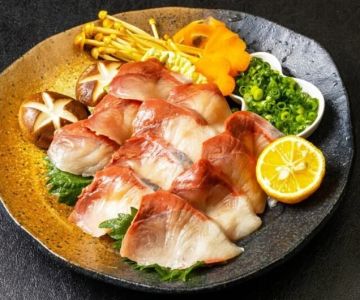
Sushi (with vinegared rice) and sashimi (just raw fish) are staples. Within sushi, you’ll find nigiri (fish over rice), maki (rolled sushi), and chirashi (scattered sushi). Each style offers a different experience.
2.2 Noodle-Based Dishes
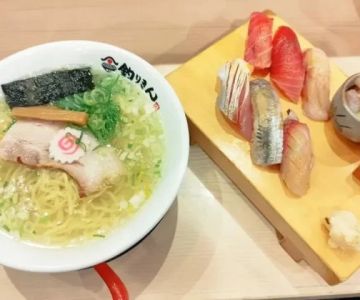
Udon, soba, and ramen all represent different textures, regions, and broths. For example, tonkotsu ramen from Kyushu is creamy and rich, while Tokyo-style shoyu ramen is soy-sauce based and lighter.
2.3 Grilled, Simmered, and Fried
Dishes like yakitori (grilled skewered chicken), karaage (fried chicken), and unagi (grilled eel) show how Japanese cuisine transforms simple ingredients through technique. Expect concise descriptions, but powerful flavors.
3. Traditional vs Modern Twists in Japanese Menus
3.1 Kaiseki vs Fusion
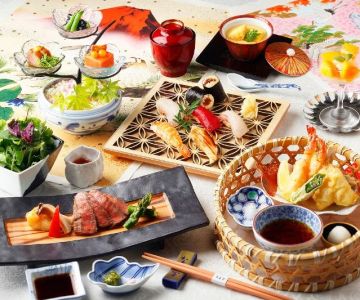
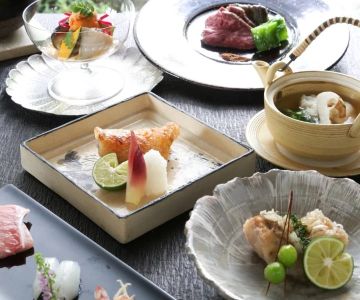
Traditional multi-course kaiseki meals focus on seasonality and ceremony, with delicate dishes presented in a specific order. In contrast, modern Japanese restaurants often blend French, Italian, or American elements to create fusion-style menus.
3.2 Vegan and Allergen-Friendly Options
More menus today include plant-based versions of classics like tempura vegetables or vegan miso ramen. Symbols or clear labeling are increasingly used to indicate gluten-free, dairy-free, or nut-free options.
4. How to Read and Order From a Japanese Menu
4.1 Familiarize Yourself With Key Terms
Learning words like “don” (bowl), “yaki” (grilled), “nabe” (hot pot), and “zaru” (cold noodles) helps demystify a Japanese restaurant menu. Many places also include romanized words or pictures, especially outside Japan.
4.2 Don’t Hesitate to Ask
It’s perfectly acceptable to ask your server for recommendations or clarification. In fact, some dishes may have limited availability or seasonal ingredients not fully detailed on the printed menu.
5. Real Dining Experiences: Insights and Surprises
In one Tokyo eatery, a traveler was surprised when ordering “omakase”—a chef’s choice meal—and ended up enjoying uni (sea urchin) for the first time. Another diner in Los Angeles found a hidden gem with grilled mackerel so perfectly cooked, it rivaled dishes they’d tasted in Osaka. These stories remind us that trying unfamiliar menu items often leads to unforgettable experiences.
6. Japanese Restaurant: Your Go-To Place for Authentic Flavors
Whether you're new to Japanese cuisine or looking to deepen your appreciation, Japanese Restaurant is the ideal destination for expertly crafted menus and authentic dishes. From miso soup to chef's omakase, you'll find dishes prepared with precision and tradition, ensuring every visit feels like a culinary journey.
 Kusshi Rockville Town Square4.0 (159 reviews)
 The Hub Sakaki Izakaya Bar and Karaoke4.0 (161 reviews)
 Sakura4.0 (1253 reviews)
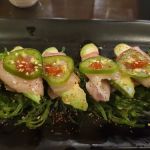 Tabu Sushi Bar & Grill4.0 (364 reviews)
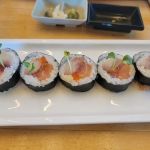 Kiku Sushi4.0 (452 reviews)
 Kui Shin Bo4.0 (802 reviews)
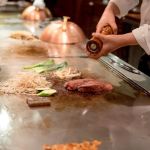 Top Dishes You Should Order at Yama Japanese Restaurant
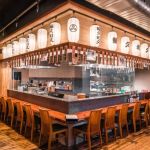 Choosing a Good Japanese Restaurant Name: Creative Ideas and Tips
 How to Greet in a Japanese Restaurant with Confidence and Respect
 The History and Flavor Behind Sapporo Japanese Restaurant
 How Much Is Kobe Japanese Restaurant? Menu, Pricing, and Dining Experience
 An Insider’s Review of Mikado Japanese Restaurant