

- understanding-japanese-dining-etiquette
- the-most-common-greetings-youll-hear
- how-to-greet-in-a-japanese-restaurant-properly
- cultural-context-behind-greetings
- what-not-to-do-when-greeting-in-japan
- real-experiences-from-diners
- visiting-a-japanese-restaurant-today
1. Understanding Japanese Dining Etiquette
Japanese dining culture is not just about food—it's an immersive experience that begins the moment you walk through the door. One of the first things you'll notice is the hospitality. The way you are greeted in a Japanese restaurant reflects centuries of tradition, respect, and cultural nuance. Knowing how to greet in a Japanese restaurant is essential if you want to show appreciation and make the most of your dining experience.
2. The Most Common Greetings You’ll Hear
As you enter a Japanese restaurant, it's common to hear staff warmly call out "Irasshaimase!" (いらっしゃいませ). This phrase means "Welcome!" and is used to show hospitality to customers. Unlike in Western cultures, you are not expected to reply. Just smile and nod politely.
At the end of your meal, you may hear "Arigatou gozaimashita" (ありがとうございました), which translates to “Thank you very much.” Again, a respectful nod or a soft "arigatou" back is perfectly acceptable.
3. How to Greet in a Japanese Restaurant Properly
So, how do you greet in a Japanese restaurant without standing out for the wrong reasons? Here's a layered look at doing it right:
3.1 Walking In
Let the staff greet you first with “Irasshaimase.” It’s their role to initiate the welcome. A soft nod, small smile, and making gentle eye contact shows respect and appreciation. If you want to go a step further, a whispered “konnichiwa” (hello) can be appropriate, especially in quieter or family-run establishments.
3.2 When Seated
You don’t need to greet again, but saying “onegai shimasu” (please) when ordering is courteous and well-received. It sets a polite tone for the interaction and shows cultural awareness.
3.3 After the Meal
Saying “gochisousama deshita” (ごちそうさまでした) as you leave is a very polite way to thank the staff for the meal. This expression is deeply appreciated by those in the service industry and is a sign you truly understand the culture.
4. Cultural Context Behind Greetings
Greeting isn’t just formality in Japan—it’s part of a deep-seated cultural philosophy. Showing humility and gratitude is a central value. Even in bustling Tokyo restaurants, staff take pride in how they greet each and every customer. Whether you’re at a high-end sushi bar or a humble ramen joint, the greeting sets the tone for mutual respect.
5. What NOT to Do When Greeting in Japan
Here are a few cultural missteps to avoid:
- Don’t shout “hello” or respond loudly to “Irasshaimase.” It’s not a dialogue starter; it’s a gesture of welcome.
- Don’t ignore the greeting completely. Even a small nod acknowledges the staff’s effort.
- Don’t overdo your Japanese if you're not confident. Stick to simple, respectful phrases like “arigatou” or “onegai shimasu.”
By respecting these subtle points, you show a deeper understanding and appreciation for the environment you're in.
6. Real Experiences From Diners
John, an American tourist in Osaka, recalls walking into a tiny yakitori spot where the chef greeted him with “Irasshaimase” so enthusiastically, it caught him off guard. “I just smiled and nodded, and the chef grinned back. That moment made the whole meal more enjoyable. It felt like a shared connection.”
These simple exchanges set the tone for unforgettable dining experiences. At Japanese Restaurant, our regulars often comment how the warm greeting at the door becomes the highlight of their visit—even before the first bite.
7. Visiting a Japanese Restaurant Today
Whether you're a first-timer or a seasoned traveler, practicing how to greet in a Japanese restaurant shows that you value the culture and tradition behind the meal. It doesn't require fluency—just awareness and respect.
Next time you're planning a sushi night, or curious to explore omakase-style dining, consider dropping by Japanese Restaurant—where every greeting, every dish, and every detail reflects authentic Japanese hospitality.

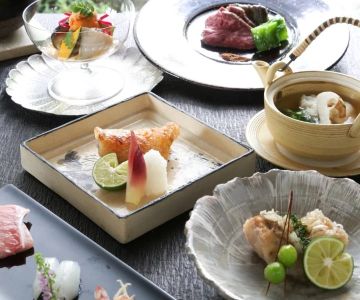
 Daisho Sushi Lounge4.0 (142 reviews)
 Hana Sushi4.0 (412 reviews)
 Tokyo Bento&Go0.0 (0 reviews)
 Yellowtail Japanese Restaurant & Lounge4.0 (1342 reviews)
 Toyama Sushi3.0 (7 reviews)
 Sakura Shippensburg4.0 (246 reviews)
 Signature Sushi and Ramen at Izumi Japanese Restaurant
 What Sauce Do They Use at Japanese Restaurants? Authentic Flavors Explained
 Signature Sushi and Ramen at Akasaka Sushi Korean Japanese Restaurant
 Exploring the Menu at Akira Japanese Restaurant: A Culinary Journey
 Why Some Japanese Restaurants Won't Serve Americans: Understanding the Cultural and Practical Reasons
 Exploring the Menu at Yamato Japanese Restaurant