
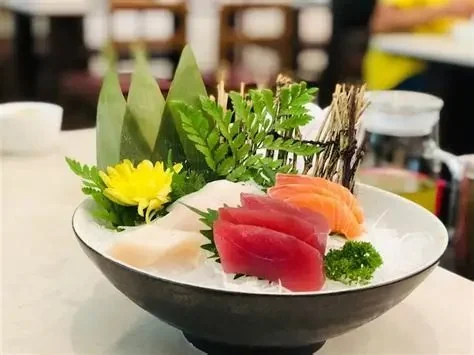
Why Some Japanese Restaurants Won't Serve Americans
Japanese cuisine is known worldwide for its elegance, precision, and distinct cultural heritage. However, some visitors to Japan, particularly Americans, have encountered the surprising experience of being refused service at certain Japanese restaurants. This can seem puzzling at first, but the reasons behind such refusals are often rooted in cultural differences, expectations of behavior, and the unique dynamics of Japanese society. In this article, we delve into the possible reasons why some Japanese restaurants may not serve Americans, highlighting cultural nuances, restaurant policies, and how visitors can better understand and respect Japanese dining etiquette.
1. Cultural Differences and Dining Etiquette
Japan places a high value on respect and formality, especially when it comes to dining. Japanese dining etiquette is strict, and restaurants often expect customers to adhere to these traditions. For example, in more traditional or exclusive settings, patrons may need to demonstrate proper manners and respect for the staff and the food. The concept of "omotenashi" — or the Japanese art of hospitality — emphasizes a customer’s conduct, and any behavior perceived as disrespectful can lead to refusal of service.
For Americans unfamiliar with these expectations, actions such as speaking loudly, not following seating protocols, or exhibiting a lack of understanding of Japanese table manners could result in an uncomfortable experience. The need for customers to demonstrate cultural sensitivity in Japan is paramount, especially in more traditional restaurants. Understanding these expectations is key to avoiding misunderstandings.
2. Language Barriers and Miscommunication
Language barriers can also contribute to instances where American customers are refused service. Many Japanese restaurants operate with limited English-speaking staff, and when there is a gap in communication, the restaurant may choose to refuse service rather than risk a poor experience for both the customer and the staff. Misunderstandings regarding orders, preferences, or special requests are common when language is a barrier, leading some restaurants to be hesitant about serving non-Japanese speakers.
Additionally, some restaurants may have unspoken rules or menu items that require a deeper understanding of the food culture. Without knowledge of these subtleties, customers might inadvertently order in a way that does not align with the restaurant's expectations. This can be seen as a lack of respect for the authenticity of the dining experience, which could result in a refusal to serve.
3. Restaurant Policies and Exclusivity
Another factor to consider is the exclusivity of certain high-end Japanese restaurants. Some establishments, particularly those in upscale areas or with Michelin-starred chefs, cater to a very specific clientele. These restaurants may have policies in place that prioritize long-term or regular customers, or they may prefer patrons who have been personally recommended. In some cases, they may even be reluctant to serve non-Japanese customers if they feel it might disrupt the atmosphere or the restaurant's carefully curated experience.
These exclusive policies are not necessarily a reflection of racial bias but rather a reflection of the importance of maintaining a certain ambiance or experience. It's important to remember that these rules are not universal, and many Japanese restaurants are open and welcoming to people from all backgrounds, as long as they respect the cultural norms.
4. Perceptions of American Culture and Behavior
In some cases, the refusal to serve Americans may be rooted in perceptions of American behavior, which can sometimes be seen as overly casual or disruptive by Japanese standards. For example, the American approach to tipping, loud conversation, or a tendency to engage in behaviors that may be perceived as rude or disrespectful could be factors influencing a restaurant’s decision to refuse service. While this is certainly not a widespread issue, some Japanese restaurant owners may have negative stereotypes or past experiences that shape their policies.
However, it is crucial to note that the majority of Japanese restaurants are eager to share their culinary traditions with visitors from all over the world, including Americans. The key to having a positive dining experience in Japan is to approach the situation with respect, patience, and a willingness to learn.
5. How to Avoid Dining Refusals in Japan
To ensure a pleasant dining experience in Japan, it’s important to be mindful of local customs and practices. Here are a few tips to help you avoid any potential refusals:
- Learn basic Japanese phrases or use a translation app to ease communication.
- Respect the restaurant’s atmosphere, speaking softly and following seating arrangements.
- Understand Japanese dining etiquette, such as how to properly use chopsticks and not tipping.
- Be patient and respectful toward staff, understanding that they are adhering to a traditional code of conduct.
- Consider trying more casual dining establishments first, where the rules may be more relaxed.
By embracing these practices, you will not only enhance your own experience but also show respect for the rich cultural heritage of Japanese cuisine. If you're planning a trip to Japan and looking for the best places to dine, check out Japanese Restaurant for recommendations on the most authentic and welcoming establishments.
 Daisho Sushi Lounge4.0 (142 reviews)
 Hana Sushi4.0 (412 reviews)
 Tokyo Bento&Go0.0 (0 reviews)
 Yellowtail Japanese Restaurant & Lounge4.0 (1342 reviews)
 Toyama Sushi3.0 (7 reviews)
 Sakura Shippensburg4.0 (246 reviews)
 Signature Sushi and Ramen at Izumi Japanese Restaurant
 What Sauce Do They Use at Japanese Restaurants? Authentic Flavors Explained
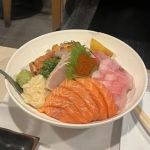 Signature Sushi and Ramen at Akasaka Sushi Korean Japanese Restaurant
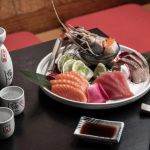 Exploring the Menu at Akira Japanese Restaurant: A Culinary Journey
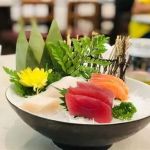 Why Some Japanese Restaurants Won't Serve Americans: Understanding the Cultural and Practical Reasons
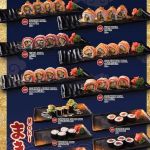 Exploring the Menu at Yamato Japanese Restaurant