
- the-core-of-japanese-flavor-soy-based-sauces
- sweet-savory-and-umami-popular-sauces-used-in-dishes
- beyond-the-bottle-house-made-and-regional-sauce-secrets
- how-to-recreate-japanese-restaurant-sauces-at-home
- choosing-authentic-products-from-japanese-restaurant
1. The Core of Japanese Flavor: Soy-Based Sauces
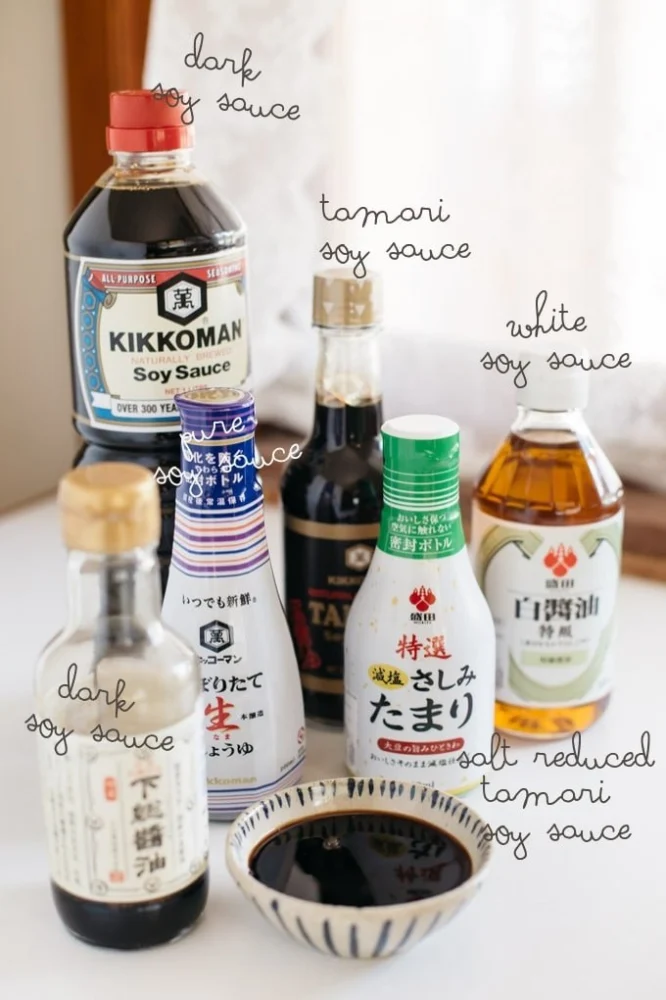
If you've ever asked yourself, what sauce do they use at Japanese restaurants, you're not alone. Whether it’s a rich teriyaki glaze on chicken, a delicate dipping sauce for sashimi, or the savory base for ramen broth, sauces play a defining role in Japanese cuisine—and most of them start with one essential ingredient: soy sauce (shoyu).
Soy sauce is the backbone of many traditional and modern Japanese dishes. It adds a salty umami kick that enhances both subtle and bold flavors. Its versatility allows it to be used as a marinade, a dip, or an ingredient in complex blends like ponzu or tsuyu.
2. Sweet, Savory, and Umami: Popular Sauces Used in Dishes
2.1 Teriyaki Sauce: The American Favorite
In the U.S., teriyaki sauce is perhaps the most recognizable Japanese sauce. Its base includes soy sauce, mirin (sweet rice wine), sake, and sugar. It's typically thick and glossy, perfect for glazing grilled meats or vegetables. While it's widely available in bottled form, many Japanese restaurants make their own in-house versions that are less sweet and more balanced.
2.2 Ponzu: Citrus-Infused Complexity
Ponzu is a citrusy soy-based sauce made with yuzu or lemon juice, vinegar, kombu (kelp), and bonito flakes. It's commonly used for dipping sashimi or adding zest to cold noodles. Ponzu offers a lighter, more refreshing flavor than straight soy sauce.
2.3 Tonkatsu Sauce: A Japanese Take on Worcestershire
Tonkatsu sauce is thick, tangy, and slightly sweet—ideal for deep-fried dishes like pork cutlet (tonkatsu) or korokke (croquettes). It blends tomatoes, prunes, apples, and spices into a rich condiment. Its Western-inspired profile reflects Japan’s unique yoshoku (Western-style) cuisine.
3. Beyond the Bottle: House-Made and Regional Sauce Secrets
One thing many diners don’t realize is that many Japanese restaurants create their own signature sauces. At a small sushi bar in Portland, the chef prepares a custom blend of soy, mirin, and dashi with a few drops of sesame oil for nigiri. In a Los Angeles izakaya, a homemade miso tare (sweet miso dipping sauce) adds a punchy richness to grilled skewers.
Different regions in Japan also boast their own sauce traditions. For example, the island of Kyushu is known for sweeter soy sauces, while in Kansai (Osaka/Kyoto), chefs often blend sauces with lighter flavors to highlight seasonal vegetables or fresh seafood.
4. How to Recreate Japanese Restaurant Sauces at Home
Recreating Japanese restaurant flavors starts with understanding balance: salty, sweet, sour, and umami. Start simple with soy sauce, mirin, sake, and sugar. A quick homemade teriyaki can be done in under 10 minutes. Add ginger or garlic for depth, and simmer until slightly thickened.
For more adventurous cooks, try making your own ponzu: combine soy sauce with fresh lemon or yuzu juice, and infuse it with bonito flakes and a piece of kombu overnight. Strain and store in the fridge—it’s excellent with grilled meats or salads.
5. Choosing Authentic Products from Japanese Restaurant
If you're looking to explore these sauces at home, make sure you’re starting with the right ingredients. Not all soy sauces are the same. For authenticity, look for naturally brewed shoyu from Japan. The same goes for mirin—true mirin adds a depth of flavor that imitations lack.
At Japanese Restaurant, we feature trusted brands and chef-recommended products that can help elevate your home cooking. Whether you're recreating a classic chicken teriyaki or experimenting with your own miso blend, starting with authentic ingredients makes all the difference.
 Hibachi Express & Sushi4.0 (300 reviews)
 Benihana4.0 (693 reviews)
 SUGARFISH by sushi nozawa4.0 (980 reviews)
 Poke Factory & Ramen Bar4.0 (246 reviews)
 Otoro Sushi & Ramen4.0 (36 reviews)
 Mizutani Sushi Bar4.0 (59 reviews)
 Signature Sushi and Ramen at Yamato Japanese Restaurant | A True Japanese Dining Experience
 What Makes Hokkaido Japanese Restaurant Stand Out Among Japanese Restaurants
 Why Can't You Eat the Bread in Japanese Restaurants? Understanding the Custom
 How Much Is Kobe Japanese Restaurant? Menu, Pricing, and Dining Experience
 The History and Flavor Behind Japanese Restaurant Wasabi
 Is Japanese Restaurant Good for Celiac People? Tips for Dining Gluten-Free