
- 1-Japanese Cuisine Popularity in Austin
- 2-Factors Influencing Japanese Restaurant Visits
- 3-Dining Habits of Austin Residents
- 4-How Often Do Austin Residents Visit Japanese Restaurants?
- 5-Why Japanese Food Is a Favorite in Austin
1. Japanese Cuisine Popularity in Austin
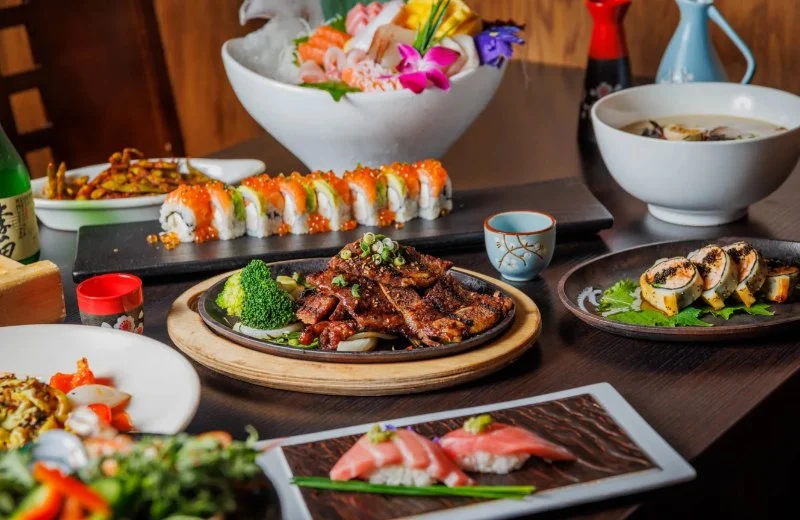
Austin, Texas, is known for its eclectic food scene, where local residents and visitors alike enjoy a diverse array of cuisine. Japanese food has become increasingly popular in the city, with many sushi bars, ramen shops, and izakayas popping up across the area. The appeal of Japanese cuisine is driven by its fresh ingredients, unique flavors, and the aesthetic appeal of dishes like sushi and sashimi.
Over the past decade, Austin has seen a rise in the number of Japanese restaurants, offering everything from traditional Japanese dishes to modern fusion cuisine. The city's growing multiculturalism has made it an ideal place for international foods, and Japanese cuisine fits perfectly into this trend. But how often do people actually visit these Japanese restaurants?
2. Factors Influencing Japanese Restaurant Visits
Several factors contribute to the frequency of visits to Japanese restaurants in Austin. These include:
- Convenience: With many Japanese restaurants strategically located in busy areas, including downtown and near college campuses, convenience plays a big role in how often people dine out at these establishments.
- Price: While some high-end sushi bars and fine dining options can be expensive, there are plenty of affordable options like ramen shops or conveyor belt sushi that cater to different budgets.
- Health Consciousness: Japanese food is often considered a healthier option, with fresh fish, vegetables, and rice forming the foundation of many dishes. This health-conscious dining trend has contributed to the growing popularity of Japanese restaurants in Austin.
- Social Media Influence: Instagram-worthy dishes, like beautifully arranged sushi and colorful poke bowls, have led to a rise in food photography and social media promotion. This visibility on platforms like Instagram helps boost foot traffic to local Japanese restaurants.
3. Dining Habits of Austin Residents
Austin residents are known for their adventurous palates and open-minded approach to dining. In the city, food culture is deeply rooted in both the traditional and the experimental. Japanese food fits well into this culinary environment, offering fresh, innovative, and unique meals that locals have grown to appreciate.
When it comes to dining out, Austin residents tend to favor a mix of casual dining and more upscale experiences. Japanese restaurants, with their range of options from quick service sushi bars to fine dining experiences, accommodate these preferences. Additionally, the city’s population, which includes a significant number of young professionals and college students, has fostered a demand for quick yet high-quality dining options like bento boxes and quick-service sushi rolls.
4. How Often Do Austin Residents Visit Japanese Restaurants?
While dining habits vary depending on personal preferences, surveys and local insights reveal that Japanese restaurants are a popular choice for many Austinites. On average, residents of Austin visit Japanese restaurants about once or twice a month. However, this can vary based on a few key factors, such as:
- Type of Restaurant: Fast-casual Japanese spots like ramen shops may see more frequent visits from residents, as they offer quick meals at a lower price point. Upscale sushi restaurants or fine-dining establishments may attract less frequent visits, often reserved for special occasions or date nights.
- Dietary Preferences: People who follow pescatarian or health-conscious diets may visit Japanese restaurants more frequently due to the emphasis on fresh fish, vegetables, and lighter options like sushi and sashimi.
- Food Trends: Food trends also influence how often people dine out at Japanese restaurants. Austin residents, being highly influenced by food culture and trends, may increase their frequency of visits when Japanese food hits the top of the culinary radar.
In general, Japanese restaurants are a favored option for those who enjoy diverse, healthy, and unique dining experiences. These visits are typically more frequent among younger demographics, who embrace both the food's cultural value and the Instagram-worthy presentation.
5. Why Japanese Food Is a Favorite in Austin
Japanese food has become a favorite among Austinites for several reasons. The city’s diverse population, emphasis on healthy eating, and love for unique dining experiences all contribute to the widespread appeal of Japanese cuisine. Japanese food also fits well with the laid-back yet refined atmosphere that Austin is known for, combining elegance with simplicity.
Moreover, Austin’s thriving food scene is always looking for the next big thing, and Japanese cuisine offers a perfect balance of tradition and innovation. From sushi to ramen, and everything in between, Japanese food provides options that appeal to a wide variety of tastes, whether you’re looking for a quick bite or a more elaborate dining experience.
If you're looking to explore the best Japanese restaurants in Austin or want recommendations on where to eat, visit Japanese Restaurant for the top places to try in the city. Whether you're a seasoned food enthusiast or trying Japanese cuisine for the first time, you'll find something to satisfy your cravings.
 Tokyo Japanese Restaurant4.0 (1184 reviews)
 Taishoken San Francisco4.0 (398 reviews)
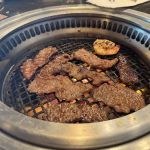 Gyu-Kaku Japanese BBQ4.0 (983 reviews)
 Green Tea Sushi Japanese Restaurant4.0 (2168 reviews)
 Chubby Cattle BBQ | Monterey Park4.0 (2124 reviews)
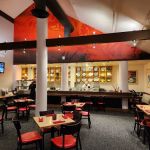 Benihana4.0 (2202 reviews)
 What Makes Japanese Hibachi Restaurant Near Me Stand Out Among Japanese Restaurants
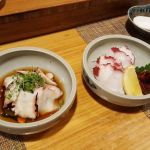 The Complete Guide to Dining at Goshi Japanese Restaurant SLO
 The History and Flavor Behind Domo Japanese Restaurant: A Local Favorite
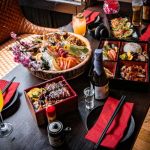 Why Wasabi Japanese Restaurant is a Must-Try Spot for Japanese Food Lovers
 An Insider’s Review of Takara Japanese Restaurant | Japanese Restaurant
 How to Ask for Water in a Japanese Restaurant: Etiquette & Phrases