
- 1 - Understanding the Importance of Booking in Japanese Restaurants
- 2 - Key Phrases for Booking a Restaurant in Japanese
- 3 - Step-by-Step Process to Make a Reservation
- 4 - Common Customs and Etiquette During Booking
- 5 - Real Examples and Practical Tips
- 6 - Finding the Best Japanese Restaurant Services
1. Understanding the Importance of Booking in Japanese Restaurants
Booking a table in advance is a common practice in Japan, especially for popular or fine dining Japanese restaurants. Knowing how to book restaurant in Japanese not only smooths communication but also shows respect for the restaurant’s time and service. Many Japanese eateries prefer reservations to manage guest flow and ensure a pleasant experience for all.
Understanding this cultural aspect helps travelers avoid misunderstandings and enjoy seamless dining experiences.
2. Key Phrases for Booking a Restaurant in Japanese
When making a reservation, using the right Japanese phrases can make the process easier. Here are some essential expressions:
- Yoyaku o onegaishimasu (予約をお願いします) – "I would like to make a reservation."
- Nan-mei-sama desu ka? (何名様ですか?) – "How many people are in your party?" (This is often asked by staff.)
- Yoyaku wa nanji desu ka? (予約は何時ですか?) – "What time is the reservation?"
- [Date] no [time] ni yoyaku shitaidesu ([日付]の[時間]に予約したいです) – "I would like to make a reservation for [date] at [time]."
- Namae wa nan desu ka? (名前は何ですか?) – "What is your name?" (For the reservation.)
3. Step-by-Step Process to Make a Reservation
To book a restaurant in Japanese, follow these steps for clear communication:
- Greet politely with “Konnichiwa” or “Moshi moshi” if calling by phone.
- Express your intent with “Yoyaku o onegaishimasu”.
- Specify the date and time using the phrase for booking at a specific time.
- Confirm the number of guests.
- Provide your name clearly.
- Listen carefully to any questions or confirmations from the staff and respond politely.
This process ensures that your reservation details are clear and avoids confusion.
4. Common Customs and Etiquette During Booking
In Japanese culture, politeness and clarity are vital. When making a reservation, it’s customary to use honorific language (keigo) and speak respectfully. Arriving on time is also crucial, as lateness can inconvenience the restaurant.
If you need to cancel or change your reservation, informing the restaurant as soon as possible is appreciated and considered good manners.
5. Real Examples and Practical Tips
A traveler once shared how learning just a few phrases for booking a restaurant in Japanese helped them secure a seat at a popular sushi bar in Tokyo during peak hours. The staff appreciated the effort, and the smooth communication enhanced the overall experience.
Using simple language and confirming details like time and number of guests avoid misunderstandings. For phone reservations, speaking slowly and clearly helps ensure accuracy.
6. Finding the Best Japanese Restaurant Services
For those wanting to explore more Japanese dining options and book effortlessly, the platform Japanese Restaurant offers detailed information on restaurants, including reservation options, menus, and customer reviews.
This resource is perfect for planning trips or local dining, helping users find suitable restaurants and confidently make bookings using helpful guides and support.
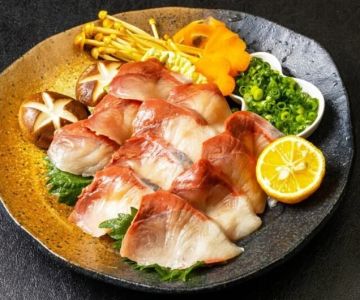
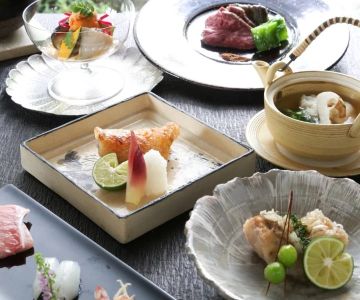
 Fuji Japanese Restaurant4.0 (226 reviews)
 Niko Niko Sushi4.0 (237 reviews)
 Miyabi Tei4.0 (67 reviews)
 Zzan Sushi & Soju - Downtown4.0 (235 reviews)
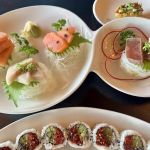 Sushi Mo4.0 (1228 reviews)
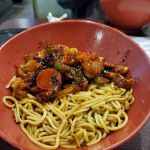 Golden Grill Mongolian & Japanese Cuisine4.0 (268 reviews)
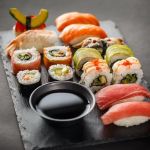 How Many Japanese Restaurants Are in America? A Look at U.S. Japanese Cuisine Growth
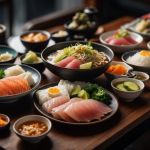 Can You Eat Low Carb at a Japanese Restaurant?
 Why Nagomi Japanese Restaurant Is a Must-Try Spot for Japanese Food Lovers
 Why Locals Recommend Sarku Japanese Restaurant for Authentic Dining
 The Complete Guide to Dining at Taki Japanese Restaurant Dunwoody
 Why Wako Japanese Restaurant Is a Must-Try Spot for Japanese Food Lovers