
- understanding-basic-phrases-in-japanese
- how-to-describe-the-restaurant-ambiance
- describing-food-and-flavor-in-japanese
- commenting-on-service-and-staff
- practical-example-a-real-review
- where-to-practice-and-explore
1. Understanding Basic Phrases in Japanese
Learning how to describe a restaurant in Japanese starts with mastering a few key expressions. Whether you're visiting Tokyo or writing a review, phrases like "このレストランはとても美味しいです (This restaurant is very delicious)" or "雰囲気が素敵です (The atmosphere is wonderful)" can go a long way. Knowing how to identify style—like 居酒屋 (izakaya) for casual pubs or 高級レストラン (koukyuu resutoran) for upscale dining—is essential in building your vocabulary for meaningful descriptions.
2. How to Describe the Restaurant Ambiance
2.1 Traditional or Modern? Use Specific Language
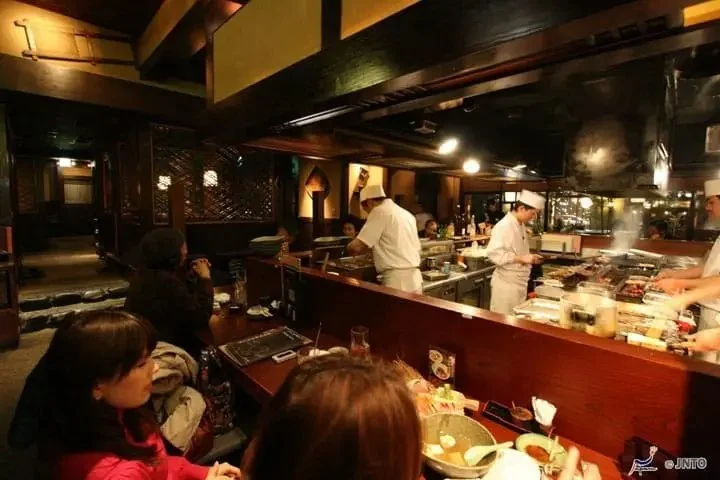
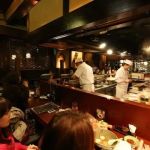
Ambiance sets the tone. In Japanese, you can say "伝統的な内装が落ち着きます (The traditional decor is calming)" or "モダンでおしゃれな雰囲気が魅力的 (The modern and stylish vibe is attractive)." Understanding words like 静か (quiet), にぎやか (lively), or ロマンチックな (romantic) allows for a richer description of the setting.
2.2 Lighting, Seating, and Sounds
Going deeper, you can talk about "間接照明がムードを作っています (The indirect lighting creates mood)" or "畳の席が日本らしい (Tatami seating feels very Japanese)." These kinds of descriptions help convey a sensory experience, not just facts.
3. Describing Food and Flavor in Japanese
3.1 Talking About Taste
One of the most important parts of describing a restaurant in Japanese is the food. Use expressions like "味が繊細で上品です (The flavor is delicate and refined)" or "ボリュームたっぷりで満足感があります (It’s very filling and satisfying)." Don’t forget key words: 甘い (sweet), しょっぱい (salty), 旨味がある (umami-rich), and スパイシー (spicy).
3.2 Ingredients and Presentation
In Japan, presentation matters just as much as taste. You might say, "盛り付けが美しく、食べるのがもったいない (The plating is so beautiful it’s almost a shame to eat it)" or "新鮮な食材を使っていて安心感があります (They use fresh ingredients, so it feels safe and reliable)."
4. Commenting on Service and Staff
4.1 Friendly, Polite, or Too Formal?
Service quality is another key aspect. Phrases like "スタッフが親切で気配りがすごい (The staff is kind and very attentive)" or "サービスが丁寧で気持ちよく過ごせました (The service was polite and I had a pleasant time)" reflect the high standard of hospitality in Japan, known as おもてなし (omotenashi).
4.2 Wait Time and Efficiency
If the service is quick, say "料理がすぐに出てきました (The food came out quickly)"; if it’s slow, gently note "少し時間がかかりましたが、美味しかったので許せます (It took a bit of time, but the taste made it worth it)."
5. Practical Example: A Real Review
Let’s look at a mock review using what we’ve learned:
"このレストランはとても雰囲気が良くて、木のぬくもりが感じられる内装です。寿司は新鮮で、特にトロは口の中でとろけました。スタッフも笑顔で対応してくれて、心が和みました。また来たいと思える素敵な場所でした。"
Translation: "This restaurant has a great atmosphere with warm wooden interiors. The sushi was fresh, especially the fatty tuna, which melted in my mouth. The staff was all smiles and very welcoming. It’s a lovely place that I’d love to visit again."
6. Where to Practice and Explore
If you're excited to try your skills or just curious to experience it firsthand, visit Japanese Restaurant, where authentic ambiance meets delicious cuisine. Practice describing the layout, the staff’s demeanor, and each dish you try. Take notes in Japanese, snap a photo, and challenge yourself to write a short review. Over time, you'll not only improve your language skills but deepen your appreciation for Japanese culture and dining.
 RãRamen & Bubble Tea4.0 (256 reviews)
 Sea Lion Sushi4.0 (146 reviews)
 Wasabi Factory4.0 (430 reviews)
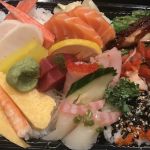 Samurai Sushi4.0 (177 reviews)
 Culichi Sushi4.0 (307 reviews)
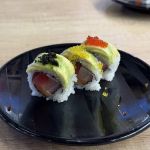 Revolving Sushi Factory4.0 (177 reviews)
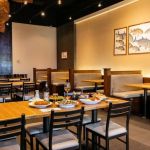 Signature Sushi and Ramen at Gyotaku Japanese Restaurant
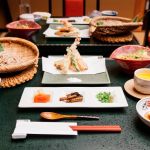 What Makes Sapporo Japanese Restaurant Stand Out Among Japanese Restaurants
 Exploring the Menu at Domo Japanese Country Food Restaurant
 How to Describe a Restaurant in Japanese: Expressions and Examples
 Exploring the Menu at Hana Japanese Restaurant – Discover Authentic Japanese Dishes
 Why Locals Recommend Yama Japanese Restaurant: A Must-Visit Dining Spot