
- 1-Understanding-Japanese-Dining-Etiquette
- 2-Ordering-Food-in-a-Japanese-Restaurant
- 3-Sushi-Etiquette-and-How-to-Enjoy-It
- 4-Using-Chopsticks-Correctly
- 5-Tips-for-a-Memorable-Dining-Experience
1. Understanding Japanese Dining Etiquette
Dining in a Japanese restaurant is more than just eating food; it’s an experience deeply rooted in tradition and respect. Learning how to eat at a Japanese restaurant starts with understanding the cultural etiquette that governs the meal. For example, it is customary to say “Itadakimasu” before starting your meal, which expresses gratitude for the food. This simple phrase reflects the Japanese appreciation for the effort behind every dish.
Furthermore, in many Japanese restaurants, you’ll find specific ways to show respect to the chefs and staff. For instance, it is polite to bow slightly when greeted and to avoid loud conversations that might disturb others. Knowing these small but important customs will help you feel more comfortable and appreciated as a guest.
A real story that highlights the importance of etiquette occurred when an American tourist visited a sushi bar in Tokyo. Initially unaware of the custom, he began eating sushi with his hands and dipping the rice heavily in soy sauce. The chef gently corrected him, showing how to dip only the fish side to maintain balance and taste. This interaction not only improved his meal but also created a memorable cultural exchange.
1.1 The Role of Respect in Japanese Dining
Respect is a central value in Japanese culture, reflected in how food is served and consumed. Avoiding waste, not talking with your mouth full, and eating everything on your plate are subtle ways to show respect. These practices enhance the overall dining atmosphere and honor the craftsmanship of the chef.
1.2 Common Japanese Table Manners
When dining, placing chopsticks properly and not sticking them upright in rice is important, as the latter resembles a funeral ritual. Also, sharing dishes requires careful use of opposite ends of chopsticks or designated serving utensils, which prevents contamination and shows courtesy to others.
2. Ordering Food in a Japanese Restaurant
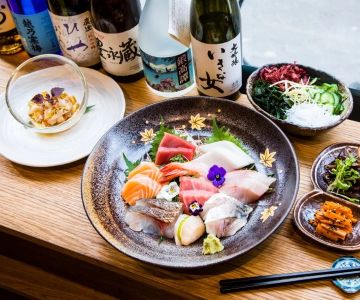
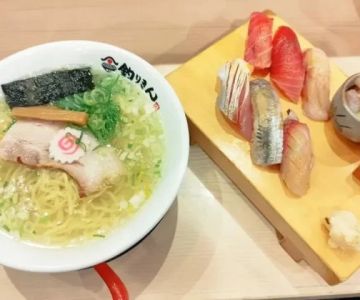
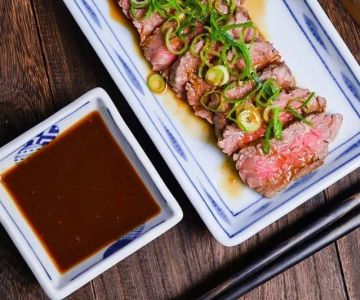
Ordering food can feel intimidating if you’re new to Japanese cuisine, but it’s simpler than you might think. Menus often include pictures and English translations, making choices easier. When you want to try traditional dishes like ramen, tempura, or sashimi, don’t hesitate to ask the staff for recommendations or explanations.
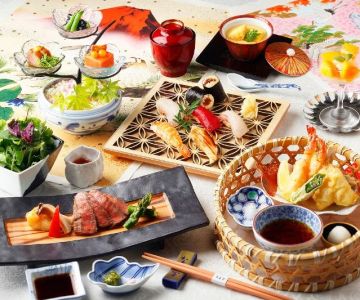
Many Japanese restaurants use a set menu or “omakase” option, where the chef selects the best seasonal dishes. This is a fantastic way to experience authentic flavors and enjoy a well-balanced meal. Remember, when ordering sushi, some items are best eaten fresh and in a specific order to appreciate their nuances.
For example, a recent dining experience shared online by a foodie blogger praised the omakase menu at a renowned Japanese restaurant for introducing her to unique ingredients she would have otherwise missed, such as uni (sea urchin) and anago (saltwater eel). This story encourages newcomers to embrace the surprise and trust the chef’s expertise.
2.1 How to Navigate the Menu
Menus in Japanese restaurants often categorize dishes by type: appetizers (zensai), soups (suimono), grilled dishes (yakimono), and steamed dishes (mushimono). Understanding this structure helps you build a well-rounded meal and avoid ordering too much of one type.
2.2 Special Requests and Dietary Preferences
Don’t hesitate to mention dietary restrictions or preferences. Many Japanese restaurants are happy to accommodate requests such as less soy sauce or vegetarian options, ensuring your meal is enjoyable and respectful to your needs.
3. Sushi Etiquette and How to Enjoy It
Sushi is often the highlight of dining at a Japanese restaurant. However, eating sushi correctly involves more than just grabbing a piece and popping it into your mouth. One essential tip is to use your fingers or chopsticks properly, and when dipping sushi into soy sauce, dip the fish side rather than the rice. This prevents the rice from falling apart and avoids overpowering the delicate flavors.
Another important aspect is pacing. Sushi is usually served in courses, and eating it slowly while savoring each piece allows you to fully appreciate the textures and tastes. When eating nigiri, a gentle bite that combines the fish and rice in your mouth is preferred over biting the piece in half.
A famous story involves a well-known sushi chef who once emphasized that sushi is an art meant to be enjoyed with mindfulness. Many customers who followed his advice reported a deeper appreciation for the subtle flavors and craftsmanship behind every piece.
3.1 Wasabi and Soy Sauce: The Right Balance
Wasabi is often already added by the chef between the fish and rice, so adding more soy sauce mixed with wasabi is generally discouraged. Too much soy sauce can mask the delicate taste of fresh fish. Learning this balance enhances your sushi experience and respects the chef’s intention.
3.2 Sharing and Ordering Sushi
When sharing sushi with friends or family, be mindful to use the opposite end of your chopsticks when taking pieces from shared plates. This small gesture maintains hygiene and is a mark of good manners.
4. Using Chopsticks Correctly
Chopsticks are the primary utensils in Japanese dining, and mastering their use is part of enjoying the meal fully. Holding chopsticks properly involves a relaxed grip that allows precise movements. Practice makes perfect, and with time, you’ll find it easier to pick up even the slipperiest pieces of food.
Incorrect chopstick usage, such as stabbing food or passing food directly from chopsticks to chopsticks, should be avoided because these actions are linked to funeral customs in Japan. Awareness of these details shows respect and helps avoid awkward moments during the meal.
4.1 Common Mistakes to Avoid
Many beginners accidentally stick chopsticks vertically in rice, which is considered rude. Instead, chopsticks should rest horizontally on the provided holder or on the edge of your plate when not in use.
4.2 Etiquette When Not Using Chopsticks
If you need to set chopsticks down during your meal, place them neatly to the side rather than leaving them on your bowl or plate. This keeps the dining area tidy and reflects good manners.
5. Tips for a Memorable Dining Experience
Beyond etiquette and proper technique, enjoying your time at a Japanese restaurant involves being open to new tastes and experiences. Trying seasonal specialties and asking questions about unfamiliar dishes can turn a meal into an engaging cultural adventure.
To enhance your experience, visit the website Japanese Restaurant, where you can find the best places to dine, top-rated dishes, and even cooking classes to deepen your knowledge of Japanese cuisine. Their recommendations help ensure you get authentic and high-quality meals wherever you go.
Lastly, patience is key. Japanese dining is about savoring the moment and appreciating the artistry behind every dish. Taking time to enjoy each bite and engaging politely with staff and fellow diners enriches the entire meal.
5.1 Engage with the Chef and Staff
Many Japanese restaurants pride themselves on personalized service. Expressing appreciation for the food and asking respectful questions can create memorable interactions and may even lead to special off-menu recommendations.
5.2 Experience Seasonal and Regional Specialties
Japan’s culinary variety changes with seasons and regions. Don’t miss opportunities to try dishes like sakura (cherry blossom) themed meals in spring or rich hot pots in winter. This not only broadens your palate but also deepens your cultural understanding.
 Toshi's Teriyaki3.0 (148 reviews)
 Moshi Moshi Sushi & Izakaya4.0 (769 reviews)
 Aloha Sushi4.0 (38 reviews)
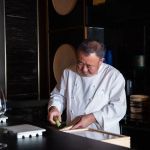 WAKUDA Omakase Room & Bar3.0 (3 reviews)
 HINODEYA Ramen Japantown4.0 (2720 reviews)
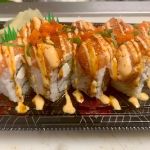 Oshiki Japan (Quail Springs Mall)3.0 (43 reviews)
 Is Japanese Restaurant Good for Celiac People? Tips for Dining Gluten-Free
 Why Taki Japanese Restaurant is a Must-Try Spot for Japanese Food Lovers
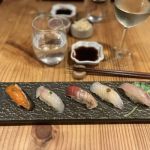 Exploring the Menu at Sasa Japanese Restaurant in the U.S.
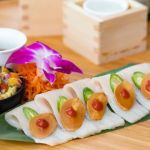 Why Locals Recommend Miyako Japanese Restaurant
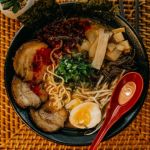 Signature Sushi and Ramen at Izumi Japanese Restaurant
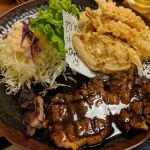 The Complete Guide to Dining at Azuma Japanese Restaurant in the USA