
- 1-Understanding-Japanese-dining-etiquette
- 2-Ordering-and-menu-tips-for-japanese-restaurants
- 3-Eating-manners-and-customs-in-japanese-restaurants
- 4-Engaging-with-staff-and-other-diners
- 5-Enhancing-your-experience-with-authentic-products-from-japanese-restaurant
1. Understanding Japanese Dining Etiquette
Knowing how to eat at a Japanese restaurant goes beyond just enjoying delicious food—it involves understanding a rich set of dining customs that reflect respect and cultural appreciation. Japanese dining etiquette emphasizes politeness, subtlety, and mindfulness.
1.1 Importance of Respect and Cleanliness
From the moment you enter, it’s customary to greet the staff with a polite “irasshaimase,” which means “welcome.” When eating, use your chopsticks properly and avoid actions considered rude, such as sticking them upright in rice or passing food chopstick-to-chopstick.
1.2 Seating and Table Setting
In traditional settings, you might sit on tatami mats, so removing shoes before entering is essential. In modern restaurants, seating may be Western style, but the emphasis on neat presentation and respect remains.
2. Ordering and Menu Tips for Japanese Restaurants
Ordering can sometimes feel intimidating due to language barriers and unfamiliar menus, but a few tips can help you navigate smoothly.
2.1 Understanding Menu Structure
Japanese menus often list dishes by category: appetizers, sashimi, grilled items, soups, and rice dishes. Take your time to ask questions if needed, and don’t hesitate to order popular sets or omakase (chef’s choice) for a curated experience.
2.2 Portion Sizes and Sharing
Japanese dining encourages sharing plates family-style. Ordering multiple smaller dishes to share is common and a great way to try various flavors.
3. Eating Manners and Customs in Japanese Restaurants
How you eat is as important as what you eat in Japan.
3.1 Proper Use of Chopsticks
Hold chopsticks towards their end, not the middle or tip. Use the opposite end to pick food off shared plates for hygiene.
3.2 Slurping and Drinking Etiquette
Unlike in many Western cultures, slurping noodles is considered polite and shows appreciation for the meal. When drinking sake or tea, it’s polite to pour for others and wait until everyone is served before drinking.
3.3 Finishing Your Meal
It’s respectful to finish all the food on your plate, symbolizing gratitude. Saying “gochisousama deshita” after eating expresses thanks to the chef and staff.
4. Engaging with Staff and Other Diners
Interaction in Japanese restaurants is generally polite and understated.
4.1 Communication with Staff
Using simple phrases like “sumimasen” (excuse me) to get attention, or “arigatou gozaimasu” (thank you) when served, shows respect and friendliness.
4.2 Observing Social Norms
Avoid loud conversations or phone calls. Japanese dining emphasizes harmony and a calm atmosphere. Watching others and following their lead helps you blend in comfortably.
5. Enhancing Your Experience with Authentic Products from Japanese Restaurant
For those inspired to bring the Japanese dining experience home or elevate visits to Japanese restaurants, sourcing authentic products and tools is valuable.
5.1 Quality Ingredients and Utensils
Japanese Restaurant offers a wide range of genuine ingredients, utensils, and dining accessories to help you recreate traditional flavors and etiquette with confidence.
5.2 Learning Through Practice
By using authentic products and understanding customs, you deepen your appreciation and enjoyment of Japanese cuisine, making every meal a cultural journey.
5.3 Real-Life Experience
A diner shared how learning these etiquette rules transformed their visits to Japanese restaurants, allowing them to connect more meaningfully with the food and people, enhancing both taste and experience.
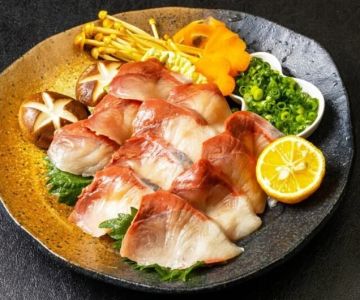
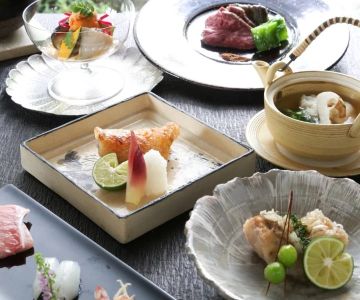
 Toshi's Teriyaki3.0 (148 reviews)
 Moshi Moshi Sushi & Izakaya4.0 (769 reviews)
 Aloha Sushi4.0 (38 reviews)
 WAKUDA Omakase Room & Bar3.0 (3 reviews)
 HINODEYA Ramen Japantown4.0 (2720 reviews)
 Oshiki Japan (Quail Springs Mall)3.0 (43 reviews)
 Is Japanese Restaurant Good for Celiac People? Tips for Dining Gluten-Free
 Why Taki Japanese Restaurant is a Must-Try Spot for Japanese Food Lovers
 Exploring the Menu at Sasa Japanese Restaurant in the U.S.
 Why Locals Recommend Miyako Japanese Restaurant
 Signature Sushi and Ramen at Izumi Japanese Restaurant
 The Complete Guide to Dining at Azuma Japanese Restaurant in the USA