
1. Understanding Gluten in Japanese Cuisine
Gluten, a protein found in wheat, barley, and rye, is common in many Japanese dishes, often hidden in soy sauce, tempura batter, and noodles like udon or ramen. For those with gluten intolerance or celiac disease, navigating a Japanese restaurant menu requires awareness of these ingredients and their culinary roles.
1.1 Common Sources of Gluten in Japanese Food
Soy sauce is the most frequent source of gluten, as traditional soy sauce is brewed with wheat. Tempura, which uses wheat flour for batter, and many noodles contain gluten as well. Even some miso pastes and marinades can include gluten-containing ingredients.
1.2 Why Understanding Gluten Matters
Eating gluten unknowingly can cause severe health issues for sensitive individuals. Understanding where gluten lurks in Japanese cuisine empowers diners to make safer choices and enjoy meals without worry.
2. Safe Gluten Free Dishes at Japanese Restaurants
Despite challenges, many authentic Japanese dishes are naturally gluten free or easily adapted.
2.1 Sushi and Sashimi
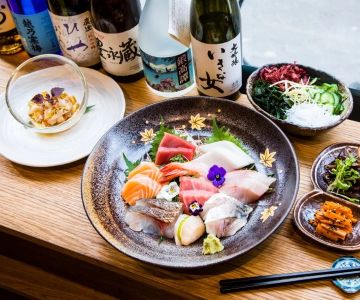
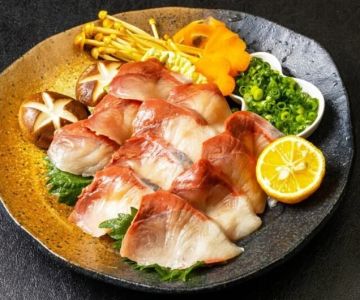
Fresh sushi and sashimi are usually gluten free, provided soy sauce alternatives are used. Rice, fresh fish, and seaweed typically contain no gluten.
2.2 Grilled and Steamed Options
Dishes like yakitori (grilled chicken skewers) without sauce, steamed vegetables, or plain rice bowls often avoid gluten. It’s essential to confirm sauces and marinades.
2.3 Soups and Salads
Clear soups like miso can be gluten free if made with gluten-free miso and no soy sauce. Seaweed salads and simple vegetable sides can also be safe.
3. Tips for Ordering Gluten Free Effectively
Effective communication and knowledge are key to enjoying gluten-free dining at Japanese restaurants.
3.1 Inform Staff Clearly
Always inform the waiter or chef about your gluten sensitivity and ask about ingredients, especially soy sauce and batter.
3.2 Ask for Gluten-Free Soy Sauce
Many restaurants now offer tamari, a gluten-free soy sauce alternative that preserves authentic flavor.
3.3 Avoid Fried Foods Unless Verified
Tempura and other fried dishes often use wheat flour batter; request confirmation or alternatives.
4. Real Life Gluten Free Dining Experience
Maria, diagnosed with celiac disease, shared her experience dining at a Tokyo sushi bar. By explaining her dietary restrictions upfront and requesting gluten-free soy sauce, she was able to enjoy a full sushi meal without symptoms. Her careful questions about sauces and preparation methods ensured her safety, turning a potentially stressful outing into a delightful culinary experience.
5. Common Pitfalls to Avoid When Eating Gluten Free
Even with precautions, hidden gluten can cause issues.
5.1 Cross-Contamination Risks
Shared fryers or utensils can transfer gluten particles to gluten-free dishes. Asking about kitchen practices is important.
5.2 Hidden Gluten in Sauces
Be wary of marinades, dipping sauces, and soups that might contain soy sauce or wheat-based thickeners.
5.3 Misunderstanding Menu Terms
Some dishes may sound safe but contain gluten ingredients. Confirming specifics avoids mistakes.
6. Finding Gluten Free Friendly Japanese Restaurants
For those seeking trusted options with genuine gluten free offerings, Japanese Restaurant provides expertly curated recommendations. Our platform helps you discover restaurants that prioritize dietary needs without compromising authenticity or flavor. Whether you want sushi, grilled dishes, or traditional Japanese fare, Japanese Restaurant connects you with safe and enjoyable dining experiences.
Eating gluten free at a Japanese restaurant can be both safe and satisfying with the right knowledge and approach. By understanding common gluten sources and communicating clearly, you open the door to experiencing authentic Japanese cuisine worry-free.
 Big Fish House4.0 (95 reviews)
 KOSAKA4.0 (287 reviews)
 Aki Asian Fusion4.0 (122 reviews)
 Sumo Sushi Bar4.0 (18 reviews)
 Moonsun Sushi4.0 (461 reviews)
 Shinsen Express4.0 (293 reviews)
 Why Kimono Japanese Restaurant is a Must-Try Spot for Japanese Food Lovers
 An Insider’s Review of Umi Japanese Restaurant
 The Complete Guide to Dining at Suteishi Japanese Restaurant
 A Foodie’s Experience at Fugakyu Japanese Restaurant: A Culinary Adventure
 Signature Sushi and Ramen at Domo Japanese Restaurant
 Can You Smoke in Japanese Restaurants? Understanding the Rules