
- 1-Understanding-Japanese-Dining-Etiquette
- 2-Practical-Tips-on-How-to-Eat-in-Japanese-Restaurant
- 3-Common-Japanese-Dishes-and-How-to-Enjoy-Them
- 4-Real-Experience-at-a-Japanese-Restaurant
- 5-Explore-More-Japanese-Dining-Resources
1. Understanding Japanese Dining Etiquette
When learning how to eat in a Japanese restaurant, it’s important to first grasp the cultural etiquette that shapes the dining experience. Japanese meals emphasize respect, harmony, and appreciation for the food and company.
Some fundamental etiquette includes saying “itadakimasu” before eating to express gratitude, and “gochisousama” after finishing the meal to thank the host or chef. Using chopsticks properly, not sticking them vertically into rice, and avoiding passing food directly from chopstick to chopstick are also important customs.
2. Practical Tips on How to Eat in Japanese Restaurant
Beyond etiquette, there are practical tips that help you enjoy your meal fully and respectfully.
2.1 How to Use Soy Sauce and Wasabi
Dip the fish side of sushi lightly into soy sauce rather than the rice to keep it intact. Wasabi is often pre-applied by chefs, so taste before adding more to avoid overpowering flavors.
2.2 Eating Order and Pace
Start with lighter dishes like sashimi and progress to heavier items such as tempura or grilled dishes. Eating slowly and savoring each bite is encouraged to appreciate the craftsmanship.
2.3 Handling Chopsticks
If unfamiliar with chopsticks, practicing basic handling can enhance your dining comfort. Many Japanese restaurants also provide finger foods and spoons for soups if needed.
3. Common Japanese Dishes and How to Enjoy Them
Understanding the typical dishes served in a Japanese restaurant enriches your meal.
3.1 Sushi and Sashimi
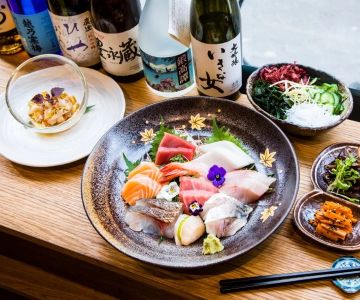
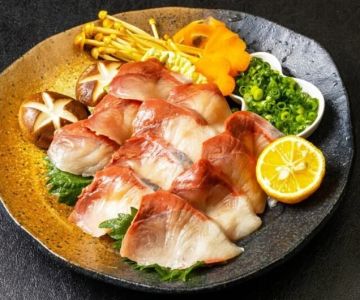
Freshness is key. Enjoy sushi in one or two bites and use pickled ginger as a palate cleanser between pieces.
3.2 Ramen and Noodles
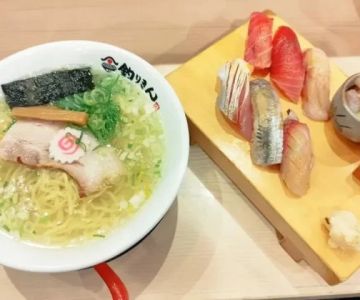
Slurping noodles is acceptable and shows appreciation. The rich broth is often savored by sipping directly from the bowl.
3.3 Tempura and Grilled Items
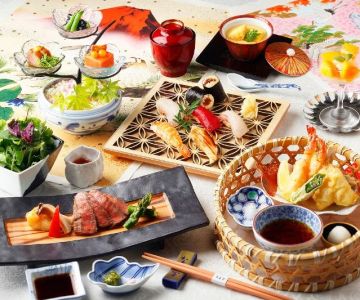
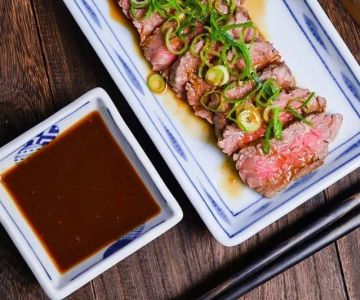
These are best enjoyed immediately while crispy. Accompanying dipping sauces and condiments enhance the flavors.
4. Real Experience at a Japanese Restaurant
A visitor to a Japanese Restaurant shared how learning proper etiquette transformed their dining. Initially unsure, they followed guidance on ordering and eating, from expressing gratitude to tasting new dishes slowly. The experience deepened their appreciation for Japanese culture and food artistry.
This personal story highlights how understanding how to eat in a Japanese restaurant can turn a simple meal into a meaningful cultural journey.
5. Explore More Japanese Dining Resources
For those eager to expand their knowledge and find authentic Japanese restaurants, Japanese Restaurant offers curated recommendations, cultural tips, and specialty products. Whether you’re dining out or cooking at home, this resource supports your journey into Japanese cuisine.
 Musasi Japanese Restaurant4.0 (154 reviews)
 Dami Sushi5.0 (91 reviews)
 Masago Sushi (Ridgewood)4.0 (223 reviews)
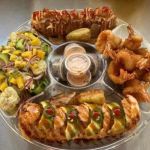 Mariscos y Sushi El Patron5.0 (13 reviews)
 Corner Ramen & Poke4.0 (766 reviews)
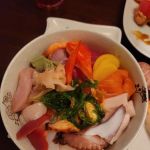 Fin Fusion Sushi Bar4.0 (663 reviews)
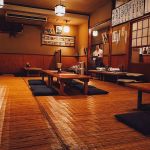 What Restaurants in Tokyo Are Japanese Only? Cultural Insights & Real Cases
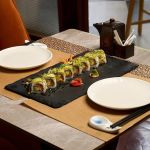 What Makes Taki Japanese Restaurant Dunwoody Stand Out Among Japanese Restaurants
 An Insider’s Review of Miyabi Japanese Restaurant: Why It’s a Must-Visit for Sushi Lovers
 An Insider’s Review of Tanto Japanese Restaurant – Japanese Restaurant
 Exploring the Menu at Green Tea Japanese Restaurant
 What Makes Minamoto Japanese Restaurant Stand Out Among Japanese Restaurants